
Do you want to replace your batteries for your power-hungry devices constantly? Look no further than 24V deep-cycle batteries for a reliable, long-lasting power solution. These batteries are designed to provide consistent power over an extended period, making them perfect for various applications such as RVs, boats, golf carts, and more. With their durable construction and high-quality materials, 24V deep-cycle batteries are built to withstand the demands of heavy use and deliver superior performance. So whether you’re planning a weekend camping trip or need a dependable power source for your off-grid living, these batteries have you covered. In this blog post, we will explore the selection of 24v deep cycle battery and discover why it is the go-to choice for those seeking a dependable and long-lasting power solution. Get ready to say goodbye to frequent battery replacements and hello to reliable power with 24V deep-cycle batteries.
Understanding 24 Deep Cycle Battery and Its Construction
Delving into the specifics of a 24 deep cycle battery, it’s essential to understand its construction and how it functions. The 24V notation refers to the battery’s voltage, indicating that it delivers 24 volts of electricity. The term ‘deep-cycle’ refers to the design of the battery, specifically intended for repeated discharge and recharge cycles. Unlike regular batteries that deliver a high current for a short period, a deep-cycle battery has a steady current over a long duration.
One of the primary components of the 24V deep-cycle battery is the lead-acid cells. These cells comprise a lead-based grid that houses a chemical paste immersed in an electrolyte solution of sulfuric acid and water. This combination of lead and acid generates an electrochemical reaction that produces electricity. The quality and density of the lead used significantly impact the battery’s performance and lifespan.
Each 24V deep-cycle battery contains a series of these cells. A 24V battery typically means it has 12 cells, each producing around 2 volts, combined to reach a total of 24 volts. These cells are housed in a durable casing, often made of high-density plastic, designed to withstand the rigours of regular charging and discharging cycles.
Another noteworthy aspect is the design of the battery plates, which differ from those in a standard battery. In a deep-cycle battery, the plates are thicker and have a higher antimony content, enabling them to endure the stress of constant deep discharging.
The separators between the battery plates also play a significant role. They are typically made from an insulating material and help prevent a short circuit between the positive and negative plates while allowing ions to move between them. The quality of these separators can significantly impact the battery’s overall performance and longevity.
The Extensive Applications of 24V Deep-Cycle Batteries
The capabilities of 24V deep-cycle batteries stretch beyond typical everyday applications due to their design for sustained power output. As such, they are integral components in many areas where consistent energy flow is crucial.
One key application area of 24V deep-cycle batteries is renewable energy systems. For instance, solar panels and wind turbines rely heavily on these batteries. Renewable energy production is intermittent, with power generated only when the sun is shining or the wind is blowing. 24V deep-cycle batteries are used to store this power and then discharge it steadily, ensuring a constant power supply regardless of weather conditions.
The marine industry also benefits from the use of 24V deep-cycle batteries. Marine vehicles like boats and yachts often have onboard systems that require a constant power supply. Whether it’s for navigation, communication systems, or other onboard amenities, a 24V deep-cycle battery can deliver the necessary power for extended periods.
In the recreational sector, these batteries are essential in powering golf carts, RVs, and electric bikes, among others. Golf carts, for instance, need a battery that can deliver power for several hours of play on the course. The 24V deep-cycle battery is up to the task, providing a steady power output throughout the game.
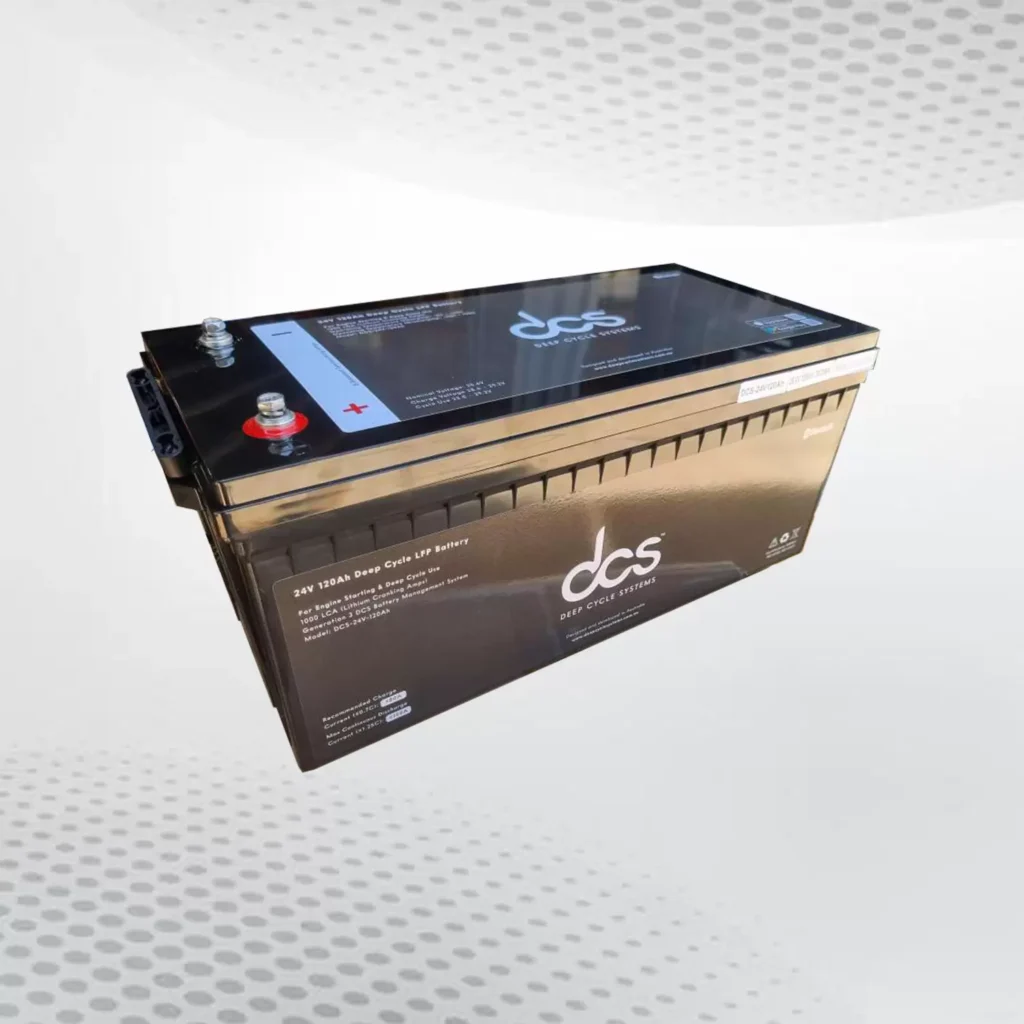 The Exceptional Durability of 24v Battery Deep Cycle
A standout characteristic of 24V deep-cycle batteries is their superior durability due to their robust construction and inherent design advantages. Durability in a battery refers to its ability to withstand the wear and tear of repeated charging and discharging cycles without significant degradation in performance. This attribute is of utmost importance as it directly impacts the battery’s lifespan and overall reliability.
Unlike standard batteries, the components of a 24v battery deep cycle are specifically engineered to sustain the stress of deep discharging and recharging. The thick plates, for instance, have higher antimony content that aids in withstanding this stress. They can endure repeated deep discharge cycles without substantial damage, which gives them an extended service life compared to their standard counterparts.
Another feature contributing to the durability of these batteries is the quality of the separators used. High-quality separators efficiently prevent short circuits between the battery plates while allowing effective ion movement. This ion movement is crucial for the battery’s electrical output. Without effective separators, the battery’s performance can decrease over time, and the risk of internal short circuits can increase, leading to a potentially shorter lifespan.
Furthermore, the robust casing of a 24V deep-cycle battery, typically constructed from high-density plastic, contributes to its overall durability. The casing not only houses the critical components but also provides much-needed protection against physical damages and corrosion, which can severely impair the battery’s performance and lifespan.
The maintenance aspect of 24V deep-cycle batteries also factors into their durability. Many of these batteries are sealed, reducing the need for regular maintenance and making them less prone to issues caused by improper maintenance, such as corrosion or contamination.
Maximizing the Performance of Your 24V Deep-Cycle Battery
Certain best practices are recommended to harness the full potential of your 24V deep-cycle battery. Primarily, avoid over-discharging your battery. Over-discharging can induce undue stress on the battery structure and negatively affect its longevity and performance. Most deep-cycle batteries are designed to discharge up to 50% of their capacity. Regular monitoring of the battery’s state of charge can help you maintain it within this optimal range.
Equally important is not to letting the battery remain discharged for extended periods. Prompt recharging after use can prolong the battery’s life and ensure it’s ready for the next usage. When charging, use a charger compatible with a 24V deep-cycle battery. A suitable charger will replenish your battery without overcharging, as overcharging can cause heat buildup and damage the battery.
Another critical aspect is the cleanliness of the battery terminals. Dirt, dust, or corrosion on the terminals can impede the electrical connection and compromise the battery’s performance. Regular inspection and cleaning using a mixture of baking soda and water can help keep the terminals corrosion-free. Also, ensure that terminal connections are securely tightened, as loose connections can result in power loss.
Temperature regulation also plays a vital role in maximizing your 24V deep-cycle battery’s performance. Extreme hot or cold conditions can stress the battery and shorten its lifespan. If you live in a region with extreme weather conditions, consider using a temperature-controlled enclosure for the battery or storing it in a place with a stable, moderate temperature. This can help protect your battery from temperature-induced wear and tear and keep it functioning at peak performance.
On the usage front, remember that deep-cycle batteries thrive on consistent, steady loads. Avoid subjecting your battery to high surge loads, which are not conducive to its design and can strain its capacity.
By adhering to these maintenance and usage guidelines, you can maximize the performance and lifespan of your 24V deep-cycle battery, thus ensuring a consistent and reliable power supply for your applications.
Choosing the Right 24v Deep Cycle Battery for Your Needs
Selecting the perfect 24v deep cycle battery tailored to your needs requires thoughtful consideration of several factors. To begin with, it’s crucial to identify the specific application or use of the battery. As discussed earlier, these batteries are ideal for a consistent, prolonged power supply. Therefore, understanding your power requirements is the first step.
Once you’ve established your power needs, consider the battery’s capacity, measured in ampere-hours (Ah). This is a key specification as it tells you how much energy the battery can store. A higher Ah rating means the battery can power your devices for a longer period. If your power needs are significant, like for a renewable energy storage system or a heavy-duty recreational vehicle, a high-capacity 24V deep-cycle battery may be your best bet. On the other hand, for less energy-demanding applications, a lower capacity battery could suffice.
The battery’s discharge depth is another crucial factor. As noted earlier, most deep-cycle batteries are designed to discharge up to 50% of their capacity. However, some batteries can handle deeper discharges without significant performance loss. If your application involves long periods without access to a charging source, a deep-cycle battery with a greater depth of discharge could be more suitable.
Size and weight are often overlooked aspects. Ensure the battery fits in your designated space, and the weight is manageable, particularly for applications like portable solar generators or recreational vehicles. A physically large or heavy battery may not be practical, regardless of its performance capabilities.
Ensuring Safe Handling of Your 24V Deep-Cycle Battery
When managing a 24V deep-cycle battery, safety should never be overlooked. Always remember to put on appropriate safety equipment, such as gloves and safety glasses, to prevent any unforeseen incidents that may occur during handling or maintenance procedures.
Overcharging or over-discharging the battery can lead to damage and potentially hazardous conditions. Overcharging can result in excessive heat buildup, causing the battery to swell or leak, while over-discharging may cause the battery to fail prematurely. Therefore, you should always keep a close eye on the battery’s charging state and never allow it to exceed its recommended charging or discharging limits.
It’s also worth noting that these batteries can be heavy, and incorrect handling can result in personal injury. Always use proper lifting techniques and, if necessary, seek assistance when moving or installing your battery.
The storage environment of your 24V deep-cycle battery also significantly impacts its safety. Always store your battery in a location that is cool, dry, and well-ventilated. Exposure to high temperatures can cause the battery to overheat, while storing in a damp or wet environment can lead to corrosion. Additionally, ensure the battery is positioned away from any flammable materials or sources of sparks to reduce the risk of fire.
In the case of unsealed batteries, remember to top them up with distilled water only and not tap water. Using tap water can introduce impurities into the battery that could harm its performance and possibly lead to safety issues. However, always be careful when adding water and avoid overfilling, as this can lead to acid spillage, which is corrosive and can cause burns.
FAQs
Q1: Can a 24V deep-cycle battery be utilized in a car?
A1: Technically, you could use a 24V deep-cycle battery in a car. However, this isn’t advised as cars need a powerful surge of energy for ignition, which is better suited to a starter battery.
Q2: What’s the ideal frequency for charging my 24V deep-cycle battery?
A2: The frequency of charging your battery is influenced by its usage. Nevertheless, it’s generally advisable to start recharging your battery as soon as it gets discharged to roughly half of its full capacity.
Q3: What is the average lifespan of a 24V deep-cycle battery?
A3: If correctly maintained and utilized, a 24V deep-cycle battery could potentially serve your power needs for several years. The exact lifespan, however, would depend on factors such as usage patterns, the specific model of the battery, and adherence to maintenance practices.
Conclusion
With their sophisticated design and robust construction, 24V deep-cycle batteries are a truly remarkable energy solution for a myriad of applications. These batteries are known for their exceptional durability, substantial capacity, and, above all, reliable and long-lasting power delivery.
Ultimately, 24V deep-cycle batteries offer an energy storage solution that’s not just about powering your applications but also about peace of mind. With their impressive performance and durability, these batteries are truly a powerful ally for all your energy needs. In this age of constant power demand, having a reliable 24V deep-cycle battery can make a world of difference. It’s not just about having power; it’s about having power that lasts.
| Other Good Articles to Read |
| Niche Blogs Connect |
| Blogs 97 |
| Blog Stitution |
| Blogs Unplugged |
| Blogs Cotch Rouge |
| Blog Signatr |
| Blog Sintonias |
| Blog Zilla |
| Consumer Forums |
| Finance Forums |
| G Blogs |
| Too Blog |
| Related Business Listings |
| Contact Directory |
| Local Business Profiles |