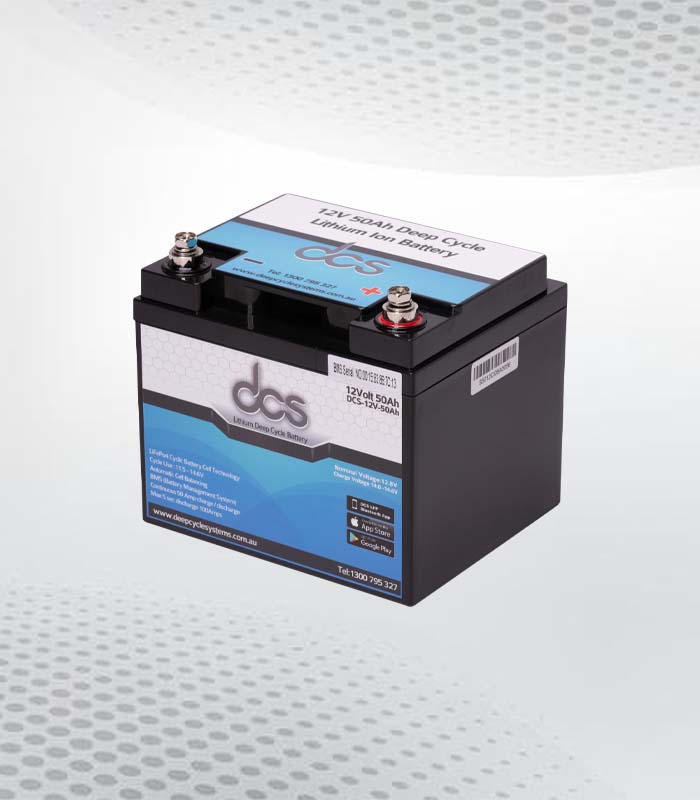
In the quest for more sustainable and cost-effective energy solutions, a recent breakthrough by researchers at Germany’s Karlsruher Institut für Technologie (KIT) has paved the way for significant advancements in LiFePO4 solar battery technology. Their development of a triple-junction perovskite-perovskite-silicon solar cell, boasting an unprecedented efficiency of 24.4%, marks a significant leap forward in photovoltaic technology. This innovation not only highlights the potential for higher efficiency solar panels but also underscores the importance of integrating these panels with efficient battery systems, such as the LiFePO4 Solar Battery, to truly revolutionise how we harness and store solar energy.
The Breakthrough in Solar Technology
The core of this breakthrough lies in the triple-junction architecture of the solar cell, which combines two layers of perovskite with a bottom layer of silicon, each selected for its optimal energy bandgap. This design enables the cell to capture a wider spectrum of sunlight, converting more of it into electricity. The meticulous process of layering these materials addresses the challenges of light management, current matching, and the creation of low-loss tunnel/recombination junctions, critical hurdles that have previously limited the performance of multi-junction solar cells.
The Role of LiFePO4 Solar Battery in Solar Systems
IIntegrating a LiFePO4 Solar Battery into a solar power system is a game-changer for homeowners and businesses alike. This type of battery, known for its long life, stability, and safety, is the perfect companion to the new generation of high-efficiency solar panels. By storing excess solar energy produced during peak sunlight hours, LiFePO4 batteries ensure that this energy is not wasted but instead used to power homes and appliances when the sun is not shining. This means that investing in a LiFePO4 Solar Battery system can significantly reduce your electricity bill, making solar power a more attractive and viable option for many.
Advantages of LiFePO4 Solar Batteries
LiFePO4 batteries offer several advantages over traditional lithium-ion batteries, including a higher number of charge cycles, improved safety, and a more stable performance under a wide range of temperatures. This makes them an ideal choice for solar energy storage, where reliability and longevity are paramount. Furthermore, their efficiency in charging and discharging enhances the overall performance of solar power systems, ensuring that you get the most out of your solar panels.
Future of Solar Energy Storage
The development of triple-junction solar cells and the integration of efficient storage solutions like LiFePO4 Solar Batteries are key to the future of solar energy. These advancements not only increase the efficiency and effectiveness of solar power systems but also make them more accessible and affordable for a broader audience. As we continue to seek ways to reduce our carbon footprint and lower electricity costs, the combination of cutting-edge solar technology and robust storage solutions stands out as a beacon of hope and innovation.
A Brighter Future with Solar Energy
The journey towards a more sustainable and cost-efficient energy future is filled with challenges, but also with significant opportunities for innovation and progress. The breakthrough by KIT researchers and the growing adoption of LiFePO4 Solar Batteries are prime examples of how science and technology can come together to provide practical solutions that benefit both the planet and its inhabitants. By investing in these advanced solar power systems, we can look forward to a future where our energy needs are met in a way that is not only economically savvy but also environmentally responsible.
LiFePO4 Solar Battery System to Cut Electricity Cost
In the contemporary quest for sustainable and cost-effective energy solutions, the LiFePO4 (Lithium Iron Phosphate) Solar Battery emerges as a beacon of innovation and efficiency. This advancement is particularly timely, given the recent breakthrough by researchers at Germany’s Karlsruher Institut für Technologie (KIT) in solar cell technology. With the development of a triple-junction perovskite-perovskite-silicon solar cell boasting an unprecedented efficiency of 24.4%, the potential for integrating high-efficiency solar panels with efficient battery systems such as the LiFePO4 Solar Battery is more promising than ever. This combination is poised to revolutionise the way we harness, store, and utilise solar energy, marking a significant milestone in our journey towards more sustainable energy solutions.
Understanding LiFePO4 Solar Battery Technology
LiFePO4 Solar Battery technology stands out in the renewable energy storage market for its remarkable attributes, fundamentally distinct from those of conventional lithium-ion batteries. These batteries utilise lithium iron phosphate as their cathode material, which contributes to their exceptional safety profile, resilience to high temperatures, and commendable thermal stability.
The inherent properties of lithium iron phosphate prevent the batteries from overheating, significantly mitigating the risk of thermal runaway—a common concern with other types of lithium-based batteries.
This aspect is particularly crucial for solar applications where reliability and safety cannot be compromised. Furthermore, LiFePO4 batteries are celebrated for their longevity, often outlasting their lithium-ion counterparts, which translates to fewer replacements and, consequently, more sustainable energy storage solutions. Their robustness and ability to endure harsh conditions without degrading make them an exemplary choice for pairing with solar panel systems, where the efficient and safe storage of renewable energy is of paramount importance.
The Significance of the KIT Solar Cell Breakthrough and Its Possible Impact on Lithium Ion Solar Battery
The groundbreaking work by researchers at the Karlsruher Institut für Technologie (KIT) in enhancing solar cell efficiency to 24.4% stands as a monumental stride in photovoltaic science. This innovation in triple-junction perovskite-perovskite-silicon solar cells not only elevates the bar for solar panel performance but also signals a transformative shift for lithium ion solar battery packs, including those based on LiFePO4 technology.
With the capacity to capture more solar energy per unit area, these high-efficiency solar panels naturally complement the robust, safe storage capabilities of LiFePO4 batteries. The synergy between advanced solar cells and sophisticated battery technology means that energy systems can now operate with heightened efficiency, enabling a more effective and sustainable utilisation of solar energy.
This leap in technology fosters a closer move towards achieving a balance between energy demand and environmentally friendly energy production, marking a pivotal moment in the evolution of renewable energy systems.
Integrating High-Efficiency Solar Panels with LiFePO4 Batteries
The fusion of high-efficiency solar panels and LiFePO4 batteries represents a transformative step in the realm of solar energy. This harmonious integration facilitates the maximisation of solar energy capture and storage, thereby ensuring a consistent and efficient power supply. Such an arrangement is especially crucial in regions where sunlight is abundant, yet the grid may be unreliable or non-existent.
By capitalising on the advancements in solar cell technology, alongside the robust and safe storage capabilities of LiFePO4 batteries, households and businesses can achieve a significant reduction in grid dependency. This strategy not only enhances energy self-sufficiency but also contributes to substantial savings on electricity expenses. The pairing of these advanced technologies signifies a move towards smarter, more resilient energy systems that are capable of supporting a wide range of energy needs while promoting sustainability.
Economic and Environmental Benefits of 12v Lithium Ion Battery For Solar Systems
The financial and ecological advantages of adopting 12v lithium ion battery for solar systems are significant. From an economic standpoint, the durability and extended lifespan of LiFePO4 batteries mean that the frequency of replacement is drastically reduced. This aspect translates into notable long-term cost savings for users, as the initial investment is amortised over a much longer period compared to traditional battery systems. Environmentally, the LiFePO4 battery stands out due to its use of non-hazardous materials, making it a more eco-friendly option.
Its production process and lifecycle have a reduced environmental footprint, supporting efforts to diminish global carbon emissions. Furthermore, the efficiency and reliability of these batteries in storing solar power contribute to reducing dependency on fossil fuels, reinforcing the move towards cleaner, renewable sources of energy. The alignment of these batteries with solar systems exemplifies a stride towards harmonising economic benefits with environmental stewardship, underlining their critical role in the transition to sustainable energy practices.
What We can Expect in Terms of Efficiency for Portable Solar Battery Systems
As the landscape of solar technology evolves, the horizon for portable solar battery systems, especially those incorporating LiFePO4 batteries, looks increasingly promising. With the rapid advancements in solar cell efficiency, such as the triple-junction perovskite-perovskite-silicon cells developed by KIT, and the superior characteristics of LiFePO4 batteries, there’s an expectation for a marked improvement in the efficiency of portable solar power solutions. This evolution signifies not just an enhancement in energy capture and storage but also in the practicality of solar energy for a wider array of applications.
The compactness, durability, and safety of LiFePO4 batteries, coupled with their ability to efficiently store the energy captured by highly efficient solar panels, are set to make portable solar systems more reliable and user-friendly. This means that for activities ranging from outdoor adventures to essential backup power needs, the reliance on traditional power sources can be significantly reduced. The integration of these technologies is not just a step forward in making renewable energy more accessible; it’s a leap towards making it a practical choice for an array of everyday applications.
Solar External Battery and Solar Cell with 200 μm-thickness will Revoltunise Solar Industry
The development of solar cells with a mere 200 μm thickness represents a monumental leap in photovoltaic technology, promising to revolutionise the solar industry with its unprecedented lightness and flexibility. When these ultra-thin cells are paired with advanced solar external battery packs, such as those utilising LiFePO4 technology, the implications for both commercial and residential solar installations are profound. This combination not only enhances the aesthetic appeal and installation versatility of solar systems but also significantly boosts their efficiency and energy output.
The reduced thickness of these cells facilitates easier integration into a variety of surfaces, expanding the potential for solar energy capture beyond traditional rooftop installations. Meanwhile, the synergy with LiFePO4 external batteries ensures that the energy harvested is stored with maximum efficiency and safety, paving the way for more resilient and adaptable solar power solutions. This innovative pairing is set to redefine the standards of solar installations, offering a more flexible, efficient, and aesthetically pleasing approach to harnessing the sun’s power.
Comparing Performance of Li Ion Solar Battery with Lead-Acid and AGM Battery
When evaluating the performance of Li ion solar battery packs, particularly LiFePO4, against traditional lead-acid and AGM (Absorbed Glass Mat) batteries, several key differences become apparent. Firstly, LiFePO4 batteries exhibit significantly higher energy density, meaning they can store more energy in the same physical space. This attribute makes them ideal for solar applications where space efficiency is a priority. Additionally, LiFePO4 batteries boast a longer lifecycle, capable of enduring thousands of charge-discharge cycles with minimal capacity loss.
This contrasts sharply with lead-acid and AGM batteries, which typically exhibit shorter lifespans and reduced cycle durability, leading to more frequent replacements and higher long-term costs. Another advantage of LiFePO4 technology lies in its superior charge and discharge rates, enabling quick energy availability when needed and efficient solar energy utilisation.
Unlike lead-acid and AGM batteries, LiFePO4 batteries also maintain a consistent performance over a wide range of temperatures, ensuring reliable energy storage and availability in varying climatic conditions. Collectively, these factors highlight the superior performance and efficiency of LiFePO4 solar batteries over traditional lead-acid and AGM options, marking them as a preferable choice for modern solar energy systems.
Improved Efficiency Claim of Lithium Battery at Liverpool University and Solar Cell Improved Efficiency Claim by German Scientists
In parallel to the breakthroughs in solar cell technology by German scientists, researchers at Liverpool University have made significant strides in enhancing the efficiency of lithium batteries. Their focus has been on improving the charge capacity and longevity of lithium-based batteries, including LiFePO4 variants, which are pivotal for renewable energy systems. The concerted efforts by the team at Liverpool have led to an innovative approach that optimises the battery’s electrochemical properties, thereby promising a more sustainable and efficient energy storage solution.
This development complements the advancements made by German researchers, ensuring that the increase in solar energy capture can be matched by improved storage capabilities. The progress at Liverpool University underscores a global movement towards optimising every link in the renewable energy chain, from generation to storage, bolstering the viability and appeal of solar systems for a wider audience. Together, these advancements signal a significant leap forward in our quest for more efficient, reliable, and sustainable energy solutions.
How Consumers Can Benefit from LiFePO4 Solar Systems
Adopting LiFePO4 solar systems offers consumers a multitude of advantages, including a significant reduction in electricity expenditures and bolstering energy autonomy. The integration of high-efficiency solar panels with these advanced batteries ensures a continuous and efficient energy supply, even in areas with erratic power grids or where electricity costs are prohibitively high. This capability enables households and businesses to become less reliant on traditional energy sources, leading to considerable savings on utility bills.
Additionally, the environmental aspect of employing LiFePO4 solar systems cannot be overstated; by utilising a clean and renewable source of energy, users contribute positively towards reducing global carbon emissions. The durability and safety features of LiFePO4 batteries further enhance the appeal, offering a reliable energy storage solution that demands minimal maintenance over its lifespan.
This combination of economic and environmental benefits, coupled with the promise of a more sustainable and independent energy supply, makes LiFePO4 solar systems an attractive proposition for forward-thinking consumers eager to embrace renewable energy solutions.
Conclusion – The Future is Bright with LiFePO4 Solar Systems
As we stride into an era where renewable energy takes centre stage, LiFePO4 solar battery technology emerges as a pivotal player. The remarkable strides made in enhancing solar panel efficiencies, coupled with the superior attributes of LiFePO4 batteries, set the stage for a transformative impact on how we generate, store, and use solar energy. This synergy promises not only to streamline our energy consumption patterns but also to significantly mitigate our environmental impact.
The prospect of achieving greater energy independence, alongside marked reductions in electricity bills, positions LiFePO4 solar systems as a compelling option for both consumers and industries alike. As global efforts intensify to combat climate change and reduce reliance on fossil fuels, the adoption of such advanced renewable energy technologies becomes increasingly crucial. The pathway to a more sustainable and eco-friendly future is being illuminated by the advancements in LiFePO4 solar battery systems, signalling a promising horizon for renewable energy adoption worldwide.
| Other Good Articles to Read |
| Skank Blogs |
| Unreal Blogs |
| Tba Blogs |
| All City Forums |
| Dany Blogs |
| Refuge Blogs |
| The Music Blogs |
| Key Forums |
| The Big Blog Theory |
| Joe Blogs |
| Blogs 4 Me |
| Blogs Emon |
| Related Business Listings |
| Directory Submissions |
| Regional Directory |