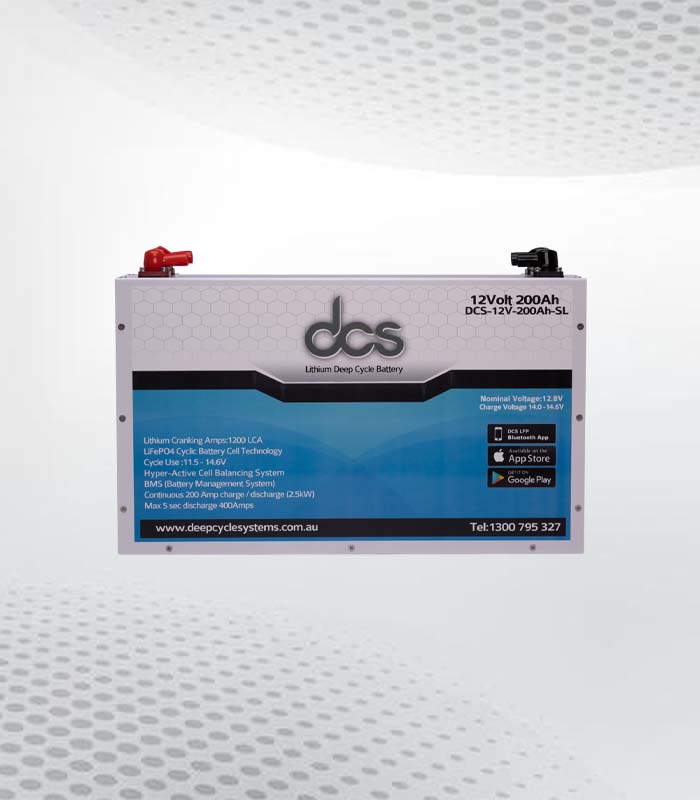
In the modern world, where the demand for reliable and efficient energy storage solutions is at an all-time high, lithium-ion batteries stand out as a beacon of innovation and performance. Particularly, the 200 Amp Lithium Battery, with its remarkable capacity and resilience, is paving the way for a more sustainable and efficient future. This comprehensive exploration delves into the essentials of 200 amp lithium-ion batteries, their numerous advantages, applications, environmental impact, and much more.
Understanding the Basics of 200 Amp Lithium-Ion Batteries
Their impressive energy storage and delivery potential are at the heart of the remarkable capabilities of 200 amp lithium-ion batteries. These units are designed to discharge 200 amps of current for an hour, epitomising the concept of energy density – a critical parameter in evaluating battery performance.
Such capacity doesn’t merely translate to high power output but also to the ability to sustain prolonged operational periods, offering 20 amps for up to 10 hours, among other combinations.
This attribute underscores their versatility and positions them as an optimal solution for applications demanding consistent and reliable energy over extended durations. The core of these batteries incorporates lithium ions, which move between the anode and cathode, facilitating energy storage and release.
This mechanism is integral to their efficiency, contributing to their low self-discharge rates and minimal memory effect – features that distinguish them from other battery technologies.
Their operational reliability across a spectrum of temperatures further enhances their applicability across diverse domains, underscoring their significance in powering today’s energy-intensive applications.
The Advantages of Opting for 200 Amp Hour Lithium Battery
Opting for a 200 amp hour lithium battery brings several distinct advantages that cater to diverse energy needs. The compactness afforded by their high energy density is a significant benefit, allowing for efficient use in applications where space is at a premium.
Unlike their lead-acid counterparts, these lithium batteries boast extended lifecycles, greatly diminishing the need for frequent replacements and thereby ensuring a reduction in the cumulative costs over time. Furthermore, their capability to perform reliably under a broad spectrum of temperature conditions, combined with swift recharging properties, renders them exceptionally dependable.
This reliability is crucial for scenarios that demand consistent and quick power availability, from powering advanced electric vehicles to ensuring uninterrupted operations in remote renewable energy installations. Their design inherently supports modern energy demands, bridging the gap between technological advancement and sustainability.
Exploring the Versatile Applications of 200 Amp Lithium Batteries
The adaptability of 200 amp lithium batteries is evident across many industries, underpinning their critical role in today’s energy landscape. Within renewable energy sectors, these batteries are indispensable, storing energy from solar and wind sources to ensure a continuous power supply when natural generation is impossible. Their robust capacity and resilience significantly benefit mobile applications.
Electric vehicles (EVs) and recreational vehicles (RVs) enjoy enhanced performance and range, thanks to the reliable energy output of these batteries. Emergency power systems, often critical in healthcare and security settings, rely on the steadfast energy supply provided by 200 amp lithium batteries. These batteries offer a dependable power source in marine applications, crucial for navigation and onboard systems.
Portable power stations also harness the advantages of 200 amp lithium batteries, providing essential energy in remote locations or during outdoor activities. This broad spectrum of applications highlights the transformative potential of 200 amp lithium batteries in driving efficiency and sustainability across various facets of modern life.
The Environmental Impact and 200 Amp Lithium Ion Battery Technology
200 Amp Lithium Ion Battery, pivotal in facilitating the transition towards greener energy and transport systems, carry its environmental considerations. Their ability to efficiently store energy harvested from renewable sources significantly reduces reliance on fossil fuels, decreasing greenhouse gas emissions.
The extended service life of these batteries also contributes positively by curtailing the frequency of disposal, which in turn diminishes landfill burden. Nonetheless, concerns persist regarding the extraction of lithium, an essential component, which has implications for ecosystems and water resources.
Similarly, the end-of-life management of these batteries presents challenges, with recycling processes still in the maturation phase. Innovations aimed at improving the sustainability of lithium-ion batteries are underway, focusing on reducing the environmental footprint of lithium extraction and enhancing recycling methodologies to reclaim valuable materials.
These efforts are crucial in striving towards a more ecologically responsible lifecycle for lithium-ion batteries, ensuring their advantages do not come at an undue environmental cost.
Navigating the Challenges and Considerations
Adopting 200 amp lithium batteries is not without its hurdles. The upfront cost may deter some users, though it’s important to appreciate that the long-term savings in maintenance and replacement often outweigh the initial investment. Implementing robust safety measures is paramount, as these batteries, like all lithium-ion technologies, are susceptible to potential hazards such as thermal runaway if not properly managed.
This necessitates integrating sophisticated battery management systems that ensure the battery’s safe operation throughout its lifecycle. Users should also be mindful of the environmental aspects associated with producing and disposing these batteries. While they offer significant environmental benefits by enabling renewable energy and reducing carbon emissions, the extraction of lithium and other materials poses ecological challenges.
Furthermore, the recycling infrastructure for lithium-ion batteries is still developing, highlighting the importance of supporting advancements in this area to mitigate environmental impacts. Being cognisant of these challenges and actively seeking solutions or alternatives is crucial for maximising the benefits of 200 amp lithium batteries while minimising potential drawbacks.
Future Prospects and Technological Advances
The promise of groundbreaking advancements illuminates the horizon of 200 amp lithium-ion batteries. Research is fervently underway to push the boundaries of what these batteries can achieve, with the spotlight on elevating their capacity, refining their efficiency, and fortifying their safety mechanisms. Solid-state technology is one of the most anticipated developments in this sphere.
It heralds the prospect of batteries that boast higher energy densities and are imbued with enhanced safety features, mitigating risks associated with liquid electrolytes. This innovation could revolutionise energy storage, making lithium-ion batteries even more indispensable across various sectors. Equally important is the progress being made in the realm of recycling processes.
Enhanced methods are being devised to reclaim more materials from spent batteries, bolstering this technology’s sustainability. These advancements are not just incremental steps but a leap towards making lithium-ion batteries an even more compelling choice for future energy storage needs, cementing their status as a cornerstone of the energy transition.
Making the Switch to 200 Amp Lithium-Ion Batteries
Embarking on the journey towards integrating 200 amp lithium-ion batteries into one’s energy arsenal involves meticulous planning and a keen awareness of individual or organisational energy requirements. It’s imperative to delve deep into understanding the technical intricacies that underlie these batteries’ operation, weighing their capacity to meet current and future energy demands.
Seeking guidance from industry professionals and leaning towards brands with a proven track record in delivering quality lithium-ion solutions can markedly streamline this transition. It is not just about adopting a new power source; it’s about aligning with an energy solution that promises sustainability, efficiency, and reliability.
Through diligent assessment and strategic choice, the shift to using 200 amp lithium-ion batteries becomes not just a leap towards advanced energy storage but a move towards embracing a greener and more resilient energy future.
Efficient Power Storage Solutions for Modern Applications
The dynamism of 200 amp lithium-ion batteries is emphasised by their unparalleled adaptability, catering to a broad spectrum of modern applications. These batteries are instrumental in powering off-grid setups, facilitating a seamless transition to sustainable living and operation for homes and businesses.
The push towards electric mobility finds a robust ally in these batteries, as they provide the backbone for electric vehicles (EVs) and recreational vehicles (RVs), ensuring longer travel ranges and reliable performance. Beyond mobility, their capability to integrate with renewable energy systems revolutionises how we harness and utilise solar and wind energy, offering a buffer that ensures the availability of clean power even in the absence of direct sunlight or wind.
This integration is vital for maintaining power supply in various residential and industrial settings. Additionally, their use in portable power stations and emergency backup systems highlights their importance in maintaining operational continuity and safety in critical situations.
The role of 200 amp lithium-ion batteries in these scenarios is not just about energy provision; it’s about enabling a shift towards more resilient, sustainable, and efficient energy utilisation across various modern applications.
Optimising Efficiency: Tips for Using 200 Amp Lithium Batteries
To ensure that 200 amp lithium batteries operate at their peak efficiency, it is imperative to adhere to a set of maintenance and utilisation practices. Firstly, maintaining an optimal charge level is crucial; avoid allowing the battery to deplete entirely or charging it to full capacity every time, as both extremes can negatively impact its lifespan.
Instead, aim to keep the charge between 20% and 80% for regular use. Regularly monitoring the battery’s temperature is also essential; lithium batteries operate best within a specified temperature range, and exposure to extreme heat or cold can reduce their efficiency and longevity.
Implementing a Battery Management System (BMS) can significantly contribute to optimising the charging process and protecting the battery from overcharging, deep discharging, and overheating, all of which can prematurely degrade its performance. Additionally, ensuring the battery is used within its designed load specifications will prevent undue stress and improve its overall reliability.
By adopting these practices, users can significantly enhance the operational efficiency and extend the service life of their 200 amp lithium batteries, making the most of their energy storage capabilities.
Innovative Features to Look for in 200 Amp Lithium-Ion Batteries
When choosing a 200 amp lithium-ion battery, prioritising cutting-edge attributes is crucial. A built-in Battery Management System (BMS) is a paramount feature, orchestrating optimal charging and discharging, while safeguarding against potential threats such as overcharging and deep discharging. Additionally, temperature control mechanisms play a significant role, ensuring the battery operates within its ideal temperature range to maintain efficiency and longevity.
High discharge rates are equally important, providing the power needed for demanding applications swiftly and reliably. Compatibility with renewable energy installations, enabling seamless integration with solar or wind systems, enhances the utility of these batteries in sustainable energy setups.
Fast charging capabilities are another desirable feature, significantly reducing downtime and ensuring that energy is readily available when needed. Together, these innovative features make 200 amp lithium-ion batteries more adaptable, reliable, and conducive to modern energy needs, signifying a substantial leap towards smarter and more sustainable energy storage solutions.
Innovative battery management systems for 200 amp lithium-ion batteries
The core of optimising the performance and longevity of 200 amp lithium-ion batteries lies in advanced battery management systems (BMS). These sophisticated systems are engineered to precisely monitor and control the parameters influencing a battery’s health and efficiency.
A BMS plays a pivotal role in ensuring the battery operates within its safe limits, thereby significantly reducing the risks associated with overcharging, deep discharge, and overheating – common challenges that can compromise battery life and safety.
Innovative BMS technologies are incorporating increasingly smarter algorithms that not only track the battery’s current state but also predict its future performance based on usage patterns. This predictive capability allows for preemptive adjustments to charging cycles and load management, thus optimising the battery’s operational efficacy.
These systems offer more granular insights into the battery’s health, providing real-time data on individual cell voltages, temperatures, and state of charge. Such detailed monitoring facilitates early detection of potential issues, allowing for timely intervention before they escalate into serious problems.
Another noteworthy advancement in BMS technology is the integration of wireless connectivity, enabling remote monitoring and management of battery systems. This feature is particularly beneficial for large-scale applications, where it allows for centralised control of numerous batteries across different locations, enhancing the overall energy management efficiency.
By implementing innovative BMS, 200 amp lithium-ion batteries are set to achieve unprecedented reliability and performance, making them even more integral to the future of energy storage solutions. These advancements not only extend the lifespan of the batteries but also bolster their safety profile, ensuring they meet the rigorous demands of today’s energy-intensive applications.
FAQs
1. Can 200 amp lithium-ion batteries be used for all renewable energy systems?
200 amp lithium-ion batteries are versatile and can seamlessly integrate into various renewable energy setups, including solar and wind systems. Their high energy density and efficient storage capabilities make them ideal for capturing and storing renewable energy, ensuring a consistent power supply even during periods of low natural generation.
2. How long does a 200 amp lithium-ion battery typically last before needing replacement?
The lifespan of a 200 amp lithium-ion battery can significantly vary based on usage, maintenance, and environmental conditions. Generally, these batteries can last between 5 to 10 years or more, depending on how well they are managed and the specific applications they are used for. Regular monitoring and proper charging practices can extend their service life further.
3. Are 200 amp lithium-ion batteries environmentally friendly?
While 200 amp lithium-ion batteries support the shift towards cleaner energy by facilitating renewable energy storage, concerns remain about lithium extraction and battery disposal. Efforts to enhance recycling methods and reduce the environmental impact of lithium extraction are ongoing, aiming to make these batteries a more sustainable option in the long run.
Conclusion
In summarising the insights into 200 amp lithium-ion batteries, it becomes clear that these power sources are at the forefront of revolutionising energy storage and utilisation across many sectors. Their high energy density, efficiency, and adaptability make them indispensable in the transition towards more sustainable energy practices and underscore their pivotal role in enhancing the performance and reliability of various modern applications, from electric vehicles to renewable energy systems.
| Other Good Articles to Read |
| Cme Blog Spot |
| Garcias Blogs |
| Yyc Blogs |
| Guiade Blogs |
| Blogs-Hunt |
| Impact-Blog |
| Smarty Blogs |
| Ed Blog |
| Mo Blogs |
| Blogs Em |
| Blogs T |
| Related Business Listings |
| Directory Submissions |
| Regional Directory |