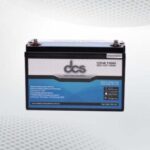
Harnessing the sun’s energy has become a pinnacle of modern technology, offering a sustainable and cost-effective solution to the world’s energy demands. Among the various components that make this possible, the 180Ah solar battery stands out as a critical element in storing solar power, ensuring that the energy captured during the day is available for use around the clock. This deep dive into the 180-Ah solar battery will explore its significance, features, and the myriad ways it benefits users.
Understanding the 180-Ah Solar Battery
The 180-Ah solar battery is a cornerstone for storing solar energy, facilitating the transformation of sunlight into a tangible power source for various applications. This type of battery, with a capacity of 180 ampere-hours (Ah), is designed to store a substantial amount of energy, making it an ideal choice for systems that require reliable power over extended periods.
Its capacity indicates the amount of electricity it can store and deliver at a rate of 180 amps for one hour, or equivalently, it can supply smaller currents for longer periods, for instance, 9 amps for 20 hours. This versatility ensures that energy captured during peak sunlight hours can be efficiently stored and utilised when solar generation is not possible, such as during nighttime or cloudy conditions.
The technology behind these batteries can vary, with options including lead-acid, lithium-ion, and others, each offering different benefits in terms of life span, efficiency, and maintenance requirements. The choice of technology impacts the system’s overall performance and suitability for specific applications, whether it be residential, commercial, or mobile use.
Understanding the characteristics of the 180-Ah solar battery, from its capacity and discharge rates to the underlying technology, is crucial for anyone looking to harness solar power effectively. This comprehension forms the basis for selecting the appropriate components that align with the energy needs and goals of a solar power system.
Why Choose a 180Ah Battery Solar Panel?
Opting for a solar panel that is compatible with a 180ah battery solar panel is vital for the efficiency of your solar power setup. The compatibility ensures that the solar panel has the capacity to charge the 180Ah battery effectively throughout daylight hours.
By choosing a solar panel with the right specifications, you can guarantee that the battery is sufficiently charged by sunset, thereby enhancing the energy availability for use during the night or on days when sunlight is scarce. This pairing is also crucial in preventing the risks associated with overcharging and undercharging the battery, which can lead to diminished battery health and reduced operational lifespan.
Additionally, the selection of an adequately sized solar panel plays a critical role in the overall energy production and storage cycle. It ensures that the battery reaches its full capacity in an optimal charging time, thus preparing it for consistent and reliable energy supply whenever it’s needed.
Such a well-matched system not only bolsters the efficiency of your solar energy setup but also contributes to the sustainability of the battery, ensuring that you reap the maximum benefits from your solar investment. Careful consideration in selecting a solar panel that aligns with the capacity of a 180Ah battery is therefore indispensable for anyone looking to achieve an effective, robust, and enduring solar energy system.
Compatibility and Installation Considerations
Ensuring a seamless integration of a 180-Ah solar battery into your existing solar power system necessitates meticulous attention to the compatibility across all components. This encompasses not merely the solar panels but extends to both the charge controller and the inverter as well.
The role of the charge controller is to regulate the charging rate, safeguarding against potential overcharging, which could compromise the battery’s integrity and longevity. Meanwhile, the inverter plays a pivotal role in converting the stored DC energy within the battery into AC power, suitable for household consumption.
Installation considerations transcend mere component compatibility, delving into the environmental parameters influencing the battery’s operational efficiency. The ambient temperature and installation site are paramount, given their impact on the battery’s performance and lifespan. For instance, excessive heat can precipitate accelerated degradation of the battery, curtailing its serviceable life.
Given the technical intricacies and the potential safety risks involved, it is highly advisable to engage the services of a professional for the installation process. A professional installer can ensure that all components are harmoniously configured to work together, optimising the system’s overall efficiency and safety. Furthermore, they can provide invaluable advice on the optimal placement of the battery, factoring in environmental conditions, to maximise its performance and durability.
Maximising the Lifespan of Your Solar Panel for 180ah Battery
To extend the longevity of your solar panel for 180ah battery when charging, it is essential to adopt a proactive maintenance approach and make informed decisions regarding system setup. First and foremost, keeping solar panels clean is crucial; dust, debris, and bird droppings can significantly reduce a panel’s efficiency, thus affecting the charging rate and overall health of the battery. Regular cleaning, according to manufacturer’s guidelines, ensures optimal sunlight absorption.
Moreover, proper installation cannot be overstated. Solar panels should be positioned to minimise exposure to shading from trees, buildings, or other structures throughout the day. Even partial shading can lead to a considerable decrease in energy production. Additionally, the angle and orientation of the panels should be optimised according to your geographical location to maximise sun exposure throughout the year.
Equally important is the monitoring of the system’s performance. Modern solar systems come equipped with monitoring technology that allows for real-time tracking of energy production and consumption. This enables the identification of potential issues early on, such as underperformance due to shading or equipment malfunction, which can then be addressed promptly to avoid prolonged periods of inefficiency.
Lastly, ensuring that all system components, including cables and connectors, are in good condition and correctly installed will prevent energy loss and reduce the risk of damage to the system. By taking these steps, you can significantly enhance the performance and lifespan of your solar panel, thereby maximising the efficiency of charging your 180Ah battery.
Solar Panel Selection for a 180Ah Battery
Selecting the appropriate solar panel to pair with a 180Ah battery requires careful consideration of several key factors. The wattage of the solar panel must align with the energy demands of the battery to ensure efficient and effective charging. Generally, the goal is to achieve a balance where the solar panel can replenish the energy used from the battery during the night, within the daylight hours of the next day.
The geographic location of the installation plays a significant role in this selection process. Areas with higher solar irradiance can utilise solar panels with lower wattage, as the intensity of sunlight is sufficient to charge the battery efficiently. Conversely, in regions with less sunlight, opting for panels with higher wattage becomes imperative to capture enough solar energy throughout the day.
Equally important is the consideration of the system’s overall energy requirements. Estimating the daily energy usage and comparing it against the potential solar energy production helps in identifying the most suitable panel wattage. This ensures that the solar setup not only meets the current energy needs but is also scalable to accommodate future demands.
Engaging with a solar energy specialist can provide tailored advice, taking into account the specific nuances of your setup. This includes assessing the efficiency of different solar panel technologies and how they perform under varying environmental conditions, ensuring the selected panel maximises the charging potential for the 180Ah battery, thus achieving a harmonious and efficient solar power system.
The Cost-Benefit Analysis of a 180-ah Solar Battery Investment
Investing in a 180-Ah solar battery entails initial costs that may seem steep to some, but when analysed over the long term, the investment becomes markedly cost-effective. The primary financial advantage stems from the reduction in electricity bills, as solar batteries enable the storage of surplus energy generated during the day for use at night or during peak times, thus reducing reliance on the grid. Over time, this saving significantly offsets the upfront cost of the battery.
Additionally, there is potential revenue through feed-in tariffs where excess electricity generated and not stored can be sold back to the grid, further enhancing the financial benefits of a solar battery system. Another financial consideration is the impact on property value; homes equipped with solar energy systems are often valued and sold at higher prices than those without.
While evaluating the cost-benefit analysis, it’s essential to consider the longevity and maintenance requirements of a 180Ah battery. With proper care, these batteries have a lengthy lifespan, reducing the need for frequent replacements and thus lowering the total cost of ownership. Moreover, advancements in battery technology are steadily reducing costs while increasing efficiency, suggesting that the future may bring even greater savings.
Though the initial investment may deter some, the long-term savings, potential income through feed-in tariffs, and the positive impact on property value present a compelling case for the cost-effectiveness of a 180-Ah solar battery system.
Real-World Applications of 180Ah Solar Batteries
180Ah solar batteries boast a remarkable flexibility that accommodates a plethora of applications across various sectors. In residential settings, these batteries are pivotal in maintaining a consistent energy supply, capable of powering essential household devices and lighting systems throughout the night, thereby ensuring comfort and convenience even in off-grid living scenarios.
For commercial entities, the deployment of 180Ah solar batteries can serve as a strategic tool to manage energy costs efficiently. By harnessing solar power during peak sunlight hours and utilising stored energy during high-demand periods, businesses can significantly mitigate peak-time energy expenses.
Moreover, the realm of mobile applications presents an exciting frontier for the utilisation of 180Ah solar batteries. Recreational vehicles (RVs) and boats, often exploring areas where conventional power sources are scarce, can rely on these batteries for a dependable supply of electricity, enabling a seamless integration of modern conveniences into off-grid adventures. This adaptability also extends to temporary installations at outdoor events or remote construction sites, where traditional power supply solutions may be impractical or cost-prohibitive.
The broad spectrum of real-world applications underscored by 180Ah solar batteries highlights their integral role in the transition towards more sustainable energy solutions, catering to diverse energy needs while promoting environmental stewardship.
FAQs
Is it possible to upgrade my solar power setup by adding more to a 180Ah battery system?
Indeed, solar power systems offer the flexibility to scale according to your growing energy requirements. Expanding your setup could involve integrating additional batteries to boost storage capacity or incorporating more solar panels to enhance the energy capture and charging capabilities. It’s crucial, however, to verify that your current charge controller and inverter have the capacity to accommodate these upgrades, ensuring a seamless integration.
What is the expected lifespan of a 180Ah solar battery?
The durability of a 180Ah solar battery varies significantly based on the type of battery technology in use and how it is managed. On average, with diligent maintenance and considerate usage, a well-manufactured 180Ah battery could serve you well for a period ranging between 5 and 15 years. Factors such as regular monitoring, appropriate charging cycles, and avoidance of extreme temperatures can influence its operational longevity.
How much upkeep do 180Ah solar batteries necessitate?
The extent of maintenance required by 180Ah solar batteries is largely contingent upon the specific type of battery technology you opt for. Lithium-ion variants are renowned for their low maintenance needs, primarily because they do not necessitate regular water top-ups or active equalisation. Conversely, lead-acid batteries demand more attention, including periodic checks and maintenance of water levels, to sustain their efficiency and extend their useful life.
Conclusion
In summarising, the journey through the capabilities and advantages of the 180Ah solar battery has illuminated its pivotal role in harnessing solar energy for an array of uses. This battery, when paired with the appropriate solar panel configuration, forms the backbone of a system capable of delivering clean, sustainable power across diverse settings – from residential to commercial, and even in mobile applications.
| Other Good Articles to Read |
| Blogs-Nation |
| Blogs-Peoples |
| Bryan Smith Blogs |
| Intellect Blogs |
| The Fault In Our Blogs |
| Blogs Eu |
| Oz Forums |
| Recruitment Blogs |
| Zet Blogs |
| Id Blogs |
| Blogs Tudiolegale |
| Blogs Map |
| Related Business Listings |
| Directory Submissions |
| Regional Directory |