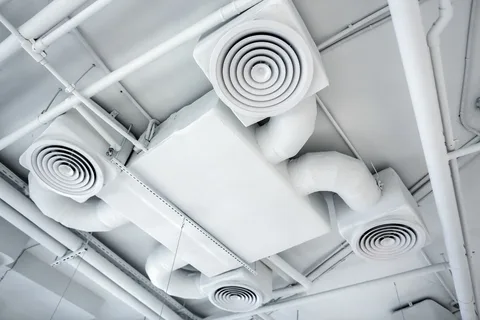
Have you ever thought about the air quality in your home? It’s not something that often crosses our minds, but it plays a crucial role in our overall health and well-being. The air we breathe in our homes can contain pollutants, allergens, and other harmful substances that can negatively affect our health. This is where a home ventilation system comes in. Often hidden behind the scenes, this system works tirelessly to circulate fresh air and remove stale air from our living spaces. So, let’s dive into the world of ventilation systems and discover the benefits they bring to our homes.
The Health Benefits Of Improved Air Quality
The significance of enhanced air quality within residential settings extends beyond mere comfort, playing a pivotal role in the well-being and health of occupants. Improved air quality, facilitated by efficient home ventilation systems, has been linked to reduced respiratory ailments, allergies, and asthma symptoms. The mechanism behind this correlation is the system’s ability to filter out pollutants, allergens, and particulate matter that can exacerbate such conditions.
In homes with superior air quality, residents experience less respiratory discomfort and a noticeable improvement in breathing ease. Moreover, the psychological benefits of clean air environments are not underestimated. Studies have indicated that living spaces with high-quality air can contribute to enhanced cognitive function, including improved concentration and memory retention.
This is particularly beneficial in fostering a productive atmosphere for both work and study within the home. Additionally, a ventilation system that maintains optimal air quality can significantly reduce indoor pollutants that contribute to long-term health issues, such as volatile organic compounds (VOCs) emitted from paints, furnishings, and cleaning products.
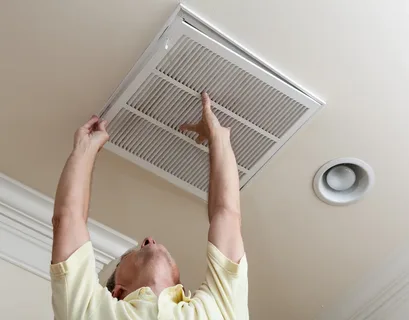 House Ventilation System Can Enhance Comfort And Reduce Energy Costs.
Implementing a house ventilation system is a significant boon for homeowners seeking to enhance comfort while reducing energy costs. Such systems are ingeniously designed to foster a continuous exchange of indoor and outdoor air, ensuring the removal of stale air and the introduction of fresh, filtered air from outside. This process naturally moderates the indoor climate, diminishing the reliance on heating and cooling appliances. As a result, homeowners are privy to a dual advantage: a living environment that remains consistently comfortable across seasons and a noticeable decrement in energy expenditure.
By leveraging advanced ventilation technologies, these systems can smartly adapt to ambient indoor and outdoor conditions, modulating airflow to maintain optimal indoor temperatures without excessive energy consumption. This intelligent operation precludes manual adjustments and the continued operation of heating and cooling units, which are often significant contributors to household energy bills. In the cooler months, certain ventilation systems can recover heat from the expelled indoor air and use it to warm the incoming fresh air, further economising energy usage.
Moreover, the balance of humidity levels by the ventilation system plays a crucial role in comfort enhancement. By preventing too dry or overly humid air, which can contribute to discomfort and health issues, the system ensures that the indoor atmosphere remains pleasant and conducive to well-being.
Preserving The Integrity Of Your Home
Installing a ventilation system provides an essential shield against the insidious effects of excess moisture within the domestic sphere. If left unchecked, this moisture can become the catalyst for a range of structural issues that undermine the home’s durability and aesthetic appeal. One of the most detrimental outcomes of this moisture accumulation is the proliferation of mould, a notorious culprit for damaging surfaces and degrading air quality with its spores.
Moreover, excess moisture can expedite the decay of wooden structures, leading to wood rot and compromising the strength and stability of the home’s framework. A well-designed ventilation system acts as a proactive measure, meticulously regulating the moisture levels in the air and ensuring a balanced indoor climate. This regulation is pivotal in thwarting the conditions that facilitate mould growth and wood rot, thus upholding the home’s structural integrity. The benefit of such a system extends beyond mere preservation; it contributes to a sustained enhancement of the property’s value by maintaining its condition over time.
The strategic removal of moisture through ventilation fortifies the home against potential damage and reinforces its resilience against the challenges posed by the natural environment. Through this, homeowners can enjoy the peace of mind of knowing their sanctuary is well-protected and its longevity secured.
Breathable Living: Enhancing Home Comfort With Residential Ventilation Systems
In the realm of modern living, the integration of residential ventilation systems has emerged as a pivotal factor in amplifying home comfort. These systems are designed to facilitate a balanced exchange of indoor and outdoor air, ensuring that a dwelling remains well-ventilated without succumbing to the pitfalls of outdoor pollutants or energy inefficiency. By harnessing sophisticated technology, these ventilation systems adeptly circulate air throughout the home, eliminating stale air harbouring odours, pollutants, and humidity.
The outcome is a living environment that not only feels fresher and more invigorating but also supports the health and well-being of its occupants. Moreover, the strategic implementation of such systems contributes to a harmonious living space where temperature and humidity levels are meticulously balanced. This equilibrium is essential in fostering a naturally comfortable habitat, mitigating the need for excessive reliance on heating or cooling appliances.
The operation of residential-ventilation systems is discreet yet effective, offering a seamless enhancement to the living experience. By prioritising the circulation of high-quality air, these systems underscore the significance of a breathable living environment as a cornerstone of contemporary home comfort.
Optimising Airflow For Better Home Living
Ensuring proper airflow is paramount in sustaining a healthy and comfortable domestic environment. Incorporating a ventilation system facilitates the distribution of fresh air throughout the residence, thereby averting the accumulation of stagnant air, unwanted odours, and condensation build-up. This process engenders an atmosphere that is more agreeable and welcoming and significantly enhances the quality of life within the dwelling.
The principle of good airflow transcends mere temperature regulation, touching upon the essence of creating spaces that inspire contentment and relaxation. By actively preventing air stagnation, ventilation systems contribute to an ambient environment conducive to well-being, underlining air quality’s subtle yet profound impact on everyday living. This continuous air exchange also ensures that living spaces remain vibrant and dynamic, reflecting a natural balance essential for a harmonious home life.
The strategic optimisation of airflow through the adept implementation of ventilation technologies thus plays a critical role in elevating the standard of living, showcasing the intricate relationship between air movements and creating a nurturing and supportive home environment.
Optimising Indoor Air Quality: Home Ventilation System Design
Home Ventilation System Design is a nuanced process that involves understanding the unique characteristics of the indoor environment and leveraging technological advancements to enhance air quality. This approach’s cornerstone is creating a system that ensures a consistent flow of fresh air, efficiently expelling pollutants and stale air from the dwelling. Central to this endeavour is assessing the home’s layout, identifying primary sources of air contamination, and establishing pathways for air to circulate effectively.
Integrating smart technology into ventilation systems has opened new avenues for optimising indoor air quality. Such systems can now dynamically adjust airflow based on real-time air quality readings, ensuring that the indoor environment remains at an optimal purity level without unnecessary energy consumption. Moreover, the strategic placement of vents and the use of filters capable of capturing a broad spectrum of pollutants are critical considerations. These elements work in concert to mitigate the ingress of external pollutants and address internal contamination sources, such as cooking fumes or volatile organic compounds emanating from household materials.
The design process also considers the region’s climatic conditions, tailoring the ventilation system to maintain comfort while maximising air quality benefits. Through meticulous planning and advanced ventilation strategies, homeowners can achieve a harmonious balance between fresh air intake and energy efficiency, fostering an indoor atmosphere that supports well-being and enhances the living experience.
Fresh Air, Fresh Start: How Proper Ventilation Can Improve Your Mood
The link between fresh air and mood enhancement is well-documented, emphasising the importance of adequate ventilation within living spaces. Through their sophisticated design, ventilation systems play a pivotal role in purging indoor environments of stale air and pollutants, thereby introducing a stream of fresh air vital for mental and emotional well-being. This infusion of clean air into the home environment is associated with reduced stress levels and heightened mental clarity. Individuals residing in well-ventilated homes often report a noticeable improvement in their energy levels and overall mood.
Such environments promote a sense of vitality and well-being, creating spaces where relaxation and productivity can thrive side by side. The presence of a ventilation system, thus, not only enhances the physical attributes of a home but also contributes to creating an ambience where positive moods are nurtured. In doing so, it reaffirms the intrinsic value of fresh air as a catalyst for a healthier, more fulfilling lifestyle devoid of direct engagement with pollutants and indoor air contaminants that may otherwise impair one’s mood and energy.
Fresh Air Solutions: Home Ventilation Systems Australia
In Australia’s diverse and expansive landscapes, the climate plays a pivotal role in shaping the requirements for effective Home Ventilation Systems Australia. The continent’s weather patterns, ranging from the humid tropics of the North to the cooler, temperate zones of the South, demand a versatile approach to ventilation that can accommodate the wide spectrum of environmental conditions. For Australian homes, this means integrating ventilation solutions that are robust in purging indoor pollutants and moisture and adept in managing the influx of outside air to maintain indoor comfort without excessive energy consumption.
Specifically, tailored systems utilise advanced technologies to adapt to the fluctuating Australian climate, ensuring homes remain well-ventilated and comfortable year-round. These systems are designed with a keen understanding of local weather nuances, allowing for an efficient exchange of air that aligns with the specific needs dictated by the region’s climate. Such bespoke ventilation solutions stand as a testament to the importance of customising air quality management practices to suit the distinctive climatic challenges faced by Australian households.
FAQs
What Is The Primary Purpose Of A Home Ventilation System?
The primary purpose of a home ventilation system is to circulate fresh air while expelling stale, polluted indoor air, thereby improving the overall air quality within the dwelling. These systems aim to create a healthier environment by reducing pollutants, allergens, and excess humidity.
How Does A Ventilation System Contribute To Energy Savings?
Ventilation systems help stabilise indoor temperatures and reduce the reliance on artificial heating and cooling appliances. By maintaining a balanced indoor climate, these systems significantly lower energy consumption and, consequently, utility costs.
Can A Ventilation System Prevent Mould Growth In My Home?
Yes, by meticulously regulating moisture levels in the air, a well-designed ventilation system can prevent the conditions that facilitate mould growth, thus preserving the structural integrity of the home and maintaining a healthier living environment.
Are There Ventilation Systems Designed For Specific Climates?
Indeed, ventilation systems can be custom-designed to suit the unique climatic conditions of a region. For instance, systems tailored for Australia’s diverse climate account for local weather patterns, ensuring efficient air exchange that aligns with regional needs.
How Does Proper Ventilation Impact Mood And Well-Being?
Clean air circulation facilitated by ventilation systems is linked to reduced stress levels, improved mental clarity, and enhanced mood. Occupants of well-ventilated homes often experience an uplift in energy levels and overall vitality.
Conclusion
In conclusion, exploring the home ventilation system within this discourse illuminates their critical role in fostering a healthier, more comfortable, and energy-efficient living environment. The journey through the myriad benefits underscores the transformative potential of these systems in enhancing air quality, regulating indoor climates, and safeguarding the structural integrity of homes against moisture-related deteriorations. Moreover, the dialogue extends to the nuanced design considerations that tailor these systems to specific environmental conditions and living spaces, showcasing the blend of technology and innovation in optimising indoor air flow and quality.
| Other Good Articles to Read |
| Blogs-Nation |
| Blogs-Peoples |
| Bryan Smith Blogs |
| Intellect Blogs |
| The Fault In Our Blogs |
| Blogs Eu |
| Oz Forums |
| Recruitment Blogs |
| Zet Blogs |
| Id Blogs |
| Blogs Tudiolegale |
| Blogs Map |
| Related Business Listings |
| Contact Directory |
| Local Business Profiles |