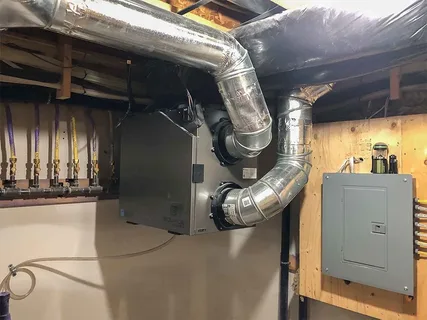
In today’s world, energy efficiency is becoming increasingly important as we strive to reduce our carbon footprint and cut costs. One effective way to achieve both of these goals is through the implementation of heat recovery systems. By recovering waste heat and utilizing it for sustainable heating solutions, industries can save energy and reduce their operating expenses. In this blog post, we will explore the benefits of heat recovery system and how it can help businesses cut costs while contributing to a greener environment.
Understanding the Basics of Heat Recovery
At its core, heat recovery revolves around capturing waste heat from various sources and repurposing it for use within the same facility or elsewhere. This waste heat can originate from several places, including industrial processes, machinery operations, and even exhaust gases produced by equipment. The essence of a heat recovery lies in its ability to take this otherwise discarded energy and convert it into a valuable resource for heating, cooling, or generating hot water. Doing so eliminates the need for additional energy inputs, thereby fostering a more efficient use of resources.
This process is economically beneficial because it reduces utility expenses and enhances energy sustainability. Integrating a heat recovery involves various components and technologies designed to capture and reuse heat from specific sources. For example, heat exchangers transfer heat between two or more fluids without mixing them, effectively allowing heat recovery from processes or equipment.
The selection and implementation of a heat recovery solution must be carefully tailored to match a facility’s unique heat sources and demands, ensuring optimal efficiency and cost savings. As industries increasingly focus on sustainability and efficiency, understanding the basics of heat recovery becomes a fundamental step towards achieving these goals.
The Environmental Impact of Heat Recovery Unit
Heat recovery units play a pivotal role in fostering a more sustainable industrial landscape by minimizing the environmental repercussions of energy consumption. By harnessing waste heat that would otherwise dissipate into the atmosphere, these systems significantly reduce the demand for primary energy sources.
This transition towards utilizing latent energy resources is crucial in curbing greenhouse gas emissions, a leading driver of global climate change. The operational principle behind heat recovery units encapsulates a proactive approach to resource management, promoting a cycle of energy reuse that aligns with broader environmental preservation goals.
The environmental benefits extend beyond emission reductions. Heat recovery unit contribute to a decrease in fossil fuel dependency, mitigating the strain on these finite resources and promoting a shift towards more renewable and sustainable energy sources. This energy conservation measure also alleviates the impact on local ecosystems by reducing air and water pollution associated with energy production processes.
In essence, implementing heat recovery technology represents a significant stride towards achieving eco-friendly industrial operations, highlighting the dual advantage of environmental stewardship and energy efficiency. Through these mechanisms, industries can play a crucial role in the collective effort to combat environmental degradation and pave the way for a more sustainable future.
Types of Heat Recovery Exchanger and its Applications
The variety in heat recovery systems is broad, each tailored to specific industry needs and operational efficiencies. Among the myriad types, air-to-air heat exchangers stand out for their versatility in recycling heat from exhaust air to preheat incoming fresh air, making them ideal for ventilation purposes in residential and commercial settings.
On the other hand, water-to-water heat exchangers find their utility in transferring heat between two liquid streams, which is particularly beneficial in industries that require large volumes of heated water or fluids, such as in manufacturing processes or district heating systems. Plate heat exchangers, recognized for their high heat transfer efficiency and compact size, excel in environments where space and energy efficiency are paramount. These systems facilitate heat exchange between fluids through plates, making them suitable for various applications, including HVAC systems, food and beverage production, and chemical processing.
Each type of heat exchanger has its distinct application, offering solutions to enhance energy conservation and operational efficiency across diverse sectors. By carefully selecting the appropriate heat recovery exchanger, businesses can significantly amplify their sustainability efforts while optimizing their operational costs. This showcases the adaptable and multifaceted nature of heat recovery technologies in contributing to energy-efficient practices within various industries.
Implementing Heat Recovery in Manufacturing Industries
The manufacturing sector, recognized for its significant energy consumption, presents a prime opportunity for adopting heat recovery technologies. These systems enable the industry to harness waste heat generated from industrial operations, such as production lines, machinery operation, and process heating, transforming it into a beneficial resource.
Applying heat recovery in this context leads to substantial reductions in energy expenses and enhances production efficiency. For instance, waste heat captured from manufacturing processes can be redirected to preheat raw materials, lowering the energy required in initial heating phases. This approach not only streamlines operations but also contributes to a decrease in the environmental impact associated with energy use in manufacturing.
Moreover, integrating heat recovery solutions in manufacturing settings extends beyond direct energy savings. It can significantly improve the workplace environment by reducing excess heat and improving air quality, essential for employee comfort and health. The strategic implementation of these systems necessitates a comprehensive analysis of the facility’s specific energy flows and waste heat sources to tailor solutions that best fit the operational requirements.
Collaborating with energy experts and leveraging advanced heat recovery technologies, manufacturers can unlock new avenues for efficiency improvements, underscoring the sector’s role in leading by example towards more sustainable industrial practices.
 The Role of Heat Recovery Ventilation Unit in Building Management
Heat recovery ventilation unit is indispensable in enhancing energy efficiency and occupant comfort within commercial buildings. These innovative systems ensure that air exchange within a building is cost-effective and environmentally friendly. As stale, warm air is expelled from the building, the heat recovery unit captures its thermal energy and transfers it to the cooler, incoming fresh air. This process substantially reduces the demand for heating and cooling systems, leading to significant energy savings.
One key benefit of implementing these units in building management is the substantial improvement in indoor air quality they offer. By continuously introducing fresh air and expelling pollutants, these systems ensure a healthier environment for occupants, which is especially critical in densely populated or high-traffic areas.
Moreover, integrating heat recovery ventilation into a building’s management system allows for precise control over indoor climate conditions, ensuring that energy efficiency does not come at the expense of comfort. Through advanced sensors and controls, building managers can fine-tune these units’ operations to match their premises’ specific needs, further optimizing energy usage and reducing operational costs.
By adopting heat recovery ventilation, commercial properties are moving towards more sustainable operations and enhancing the well-being of their occupants. This demonstrates a commitment to environmental stewardship and human-centric design.
Challenges and Solutions in Adopting Heat Recovery Technologies
Adopting heat recovery technologies comes with challenges, of which the upfront investment often stands out as the most significant. The initial setup costs, including purchasing equipment and modifying existing systems to accommodate the new technology, can deter some organizations. However, several strategies can help overcome this financial hurdle.
Various financing models, such as leasing or energy service company (ESCO) agreements, allow businesses to implement these systems with minimal initial outlay, spreading the cost over time. Additionally, governmental and non-governmental incentives and rebate programs are another viable avenue to alleviate the financial burden, making heat recovery systems more attainable for a broader spectrum of businesses.
Another challenge lies in the technical complexity and integration of heat recovery technologies into existing infrastructures. Each facility has unique requirements and constraints, necessitating customized solutions. To address this, it is crucial to engage with experts in the field who can conduct detailed energy audits, identify the most beneficial heat recovery opportunities, and design systems tailored to specific operational needs.
This approach ensures that the selected heat recovery solutions align perfectly with the facility’s demands, optimizing energy savings and maximizing the return on investment. Collaboration with professionals streamlines the integration process and equips businesses with the knowledge to efficiently manage and maintain their heat recovery systems for long-term benefits.
Maximizing Cost Savings with Heat Energy Recovery System
To leverage the full potential of a heat energy recovery system, organizations must prioritize the efficiency of their operations. Ensuring that the system is properly maintained is a critical first step. Regular inspections can help detect any inefficiencies or operational issues early, preventing costly repairs and downtime. A proactive approach to system monitoring allows for timely adjustments, keeping the system running at peak efficiency.
In addition to routine maintenance, exploring innovative uses for recovered heat can further enhance cost savings. For example, utilizing recovered heat for supplementary processes such as preheating process water or conditioning the air for workspace environments can expand the utility of the system beyond its initial scope. This not only maximizes energy savings but also elevates the overall productivity of the facility.
Implementing an energy management system that integrates with heat recovery can also provide valuable insights into energy usage patterns. Such systems enable businesses to identify areas where energy efficiency can be improved and measure changes’ impact in real-time. By adopting a holistic approach to energy management, organizations can ensure they are making the most of their heat energy recovery system, driving down costs and promoting a sustainable operational model.
FAQs
How long does it typically take to see a return on investment from a heat recovery system?
The duration of a return on investment varies, influenced by the system’s scale, efficiency in energy conservation, and the initial investment cost. Depending on these factors, entities can typically anticipate a payback period ranging from 2 to 5 years.
Can businesses receive financial support from the government for installing heat recovery systems?
Numerous government programs exist to encourage the adoption of energy-efficient technologies, including heat recovery systems. These programs may offer financial incentives or rebates to help mitigate the upfront costs associated with installation, making the technology more accessible for various businesses.
What steps should a business take to choose an appropriate heat recovery system?
Businesses should engage with energy experts or engineers to ensure the selection of an optimal heat recovery system. An in-depth assessment of the business’s specific energy needs, the characteristics of the waste heat available, and the overall budget should guide the decision-making process to identify the most fitting heat recovery solution.
Conclusion
Heat recovery systems embody an invaluable strategy for organizations to elevate operational efficiency while fostering a sustainable operational framework. Through the innovative capture and repurposing of waste heat, these technologies enable significant financial savings and support a reduction in environmental impact. The versatility and adaptability of heat recovery solutions across various industries underscore their role as a cornerstone in energy conservation efforts. Implementing these systems is a step towards achieving economic benefits and aligns with global environmental preservation goals. As the drive towards sustainability continues to gain momentum, adopting heat recovery technologies represents a proactive commitment to energy stewardship and a cleaner future. Embracing these systems offers businesses a pathway to demonstrate energy efficiency leadership, showcasing a dedication to fiscal responsibility and ecological mindfulness.
| Related Business Listings |
| Contact Directory |
| Local Business Profiles |