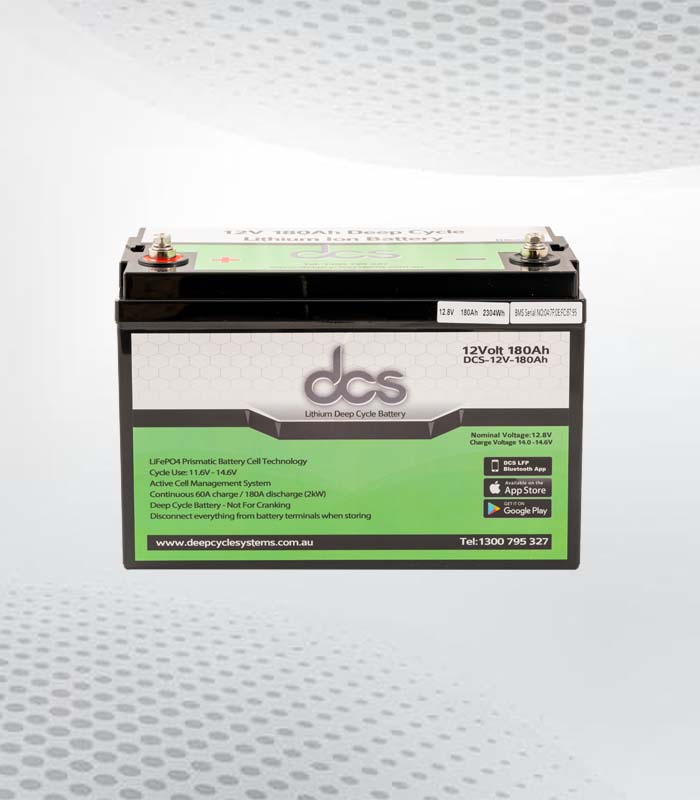
When it comes to off-grid power solutions, having a reliable and long-lasting battery is crucial. This is where a 50Ah deep-cycle battery comes into play. Designed for longevity and efficiency, a 50Ah deep-cycle battery offers sustained energy storage for various applications. In this blog post, we will explore the basics of a 50Ah deep cycle battery, its advantages, top applications, tips for maximizing its life and efficiency, factors affecting its performance, key features to consider when selecting one, frequently asked questions, and more. Let’s dive in and discover how you can experience sustained energy with a 50Ah deep-cycle battery.
Understanding the Basics of a 50Ah Deep-Cycle Battery
A 50Ah deep-cycle battery is a type of rechargeable battery specifically designed for long-term energy storage and repeated deep discharges, making it distinct from standard automotive batteries that are meant for short, high-intensity bursts of energy to start engines. The “50Ah” denotes the battery’s capacity to deliver 50 ampere-hours of electricity, indicating how much current it can provide over a specific period. For instance, it could theoretically deliver 5 amps for 10 hours or ten amps for 5 hours under ideal conditions.
Deep-cycle batteries are constructed with thicker plates and a robust design to endure the stress of being cycled (charged and discharged) many times. This makes them ideal for applications requiring regular, sustained power delivery over longer periods, such as powering appliances in off-grid setups, recreational vehicles, or as storage for renewable energy systems.
The deep-cycle designation refers to the battery’s ability to be discharged down to 20% of its capacity repeatedly, without significant detriment to its lifespan or performance. Understanding these basic characteristics is essential for anyone looking to integrate a 50Ah deep-cycle battery into their energy system, as it highlights the battery’s suitability for sustained, reliable power supply in various settings.
The Advantages of Choosing a 50Ah Deep-Cycle Battery
Choosing a 50Ah deep-cycle battery for your off-grid power needs comes with many benefits tailored to enhance your energy storage and utilization experience. First and foremost, these batteries are renowned for their durability and ability to withstand numerous charge and discharge cycles. Unlike their shallow-cycle counterparts, 50Ah deep-cycle batteries are designed to be discharged down to 20% of their capacity without incurring significant damage, thus providing a more reliable power source over a more extended period.
Additionally, the compact size of a 50Ah deep-cycle battery makes it an ideal choice for applications where space is at a premium. Despite their smaller dimensions, these batteries pack a punch, delivering sufficient power to efficiently run small to medium-sized appliances, electronics, and tools. This makes them perfect for camping trips, marine applications, and backup power solutions for home use.
Energy efficiency is another crucial advantage of these batteries. They are engineered to minimize energy loss during the charge and discharge cycles, ensuring that a more significant portion of the stored energy is available. This efficiency translates to less time and energy spent recharging the battery, ultimately saving costs in the long run.
The versatility of a 50Ah deep-cycle battery also cannot be overstated. They can cater to various voltage and installation requirements and offer a flexible power solution for a wide range of off-grid applications. Whether it’s for renewable energy storage, mobile power, or emergency backup, a 50Ah deep-cycle battery delivers consistent performance and adaptability.
Top Applications for Your 50Ah Deep Cycle Battery
The versatility of the 50ah deep cycle battery makes it a prime candidate for various essential and innovative applications. One of the most common uses is renewable energy systems, such as solar panel setups or small wind turbines. These batteries store energy generated during peak production times, ensuring power is available when the sun is not shining or the wind is not blowing. This makes them an integral component of off-grid living solutions or backup power systems for residential and commercial properties.
In the marine sector, a 50Ah deep-cycle battery proves invaluable for powering trolling motors, navigational equipment, and onboard electronics, enhancing the boating experience by providing reliable energy on the water. Similarly, in recreational vehicles (RVs), these batteries supply the necessary power for lighting, cooling, and appliance use during extended trips away from traditional power sources.
Outdoor enthusiasts also benefit from the portability and efficiency of a 50Ah deep-cycle battery. It is ideal for camping trips, providing power for lighting, small appliances, and charging mobile devices, ensuring comfort and connectivity in remote locations.
Lastly, in emergency power situations, such as during natural disasters when traditional power grids may fail, having a 50Ah deep-cycle battery can provide critical support, powering essential devices and communications equipment and keeping individuals safe and informed.
Tips for Maximizing the Life of Your 50Ah Deep-Cycle Battery
Maximizing the lifespan of your 50Ah deep-cycle battery not only ensures a reliable power source but also offers significant long-term savings. Here are several practical tips to keep your battery functioning at its best. Firstly, avoid deep discharging your battery. Though deep-cycle batteries are designed to handle deeper discharges than standard batteries, consistently bringing them below 20% capacity can shorten their lifespan. Aim to keep discharges shallow, ideally not exceeding 50% of the battery’s capacity before recharging.
Regular maintenance is essential. Keep the battery terminals clean and corrosion-free, as this can impair connection quality and charging efficiency. Check the electrolyte levels if you’re using a flooded lead-acid type, and top them up with distilled water as needed. For sealed batteries, this step is not necessary.
Proper charging practices are crucial. Use a compatible charger and follow the manufacturer’s charging cycle and rate recommendations. Overcharging or undercharging can lead to reduced battery life and performance. Implement a routine charging schedule, mainly if the battery isn’t used regularly, to prevent it from remaining in a discharged state for extended periods.
Lastly, store the battery in a cool, dry place when not in use. Extreme hot and cold temperatures can significantly impact the battery’s health and ability to hold a charge.
Efficiency of 50ah Battery Deep Cycle
The efficiency of a 50ah battery deep cycle is a significant factor that differentiates it from other power storage options. At the heart of its design is the ability to provide a steady flow of energy over prolonged periods, ensuring that devices and appliances receive a consistent power supply. This efficiency is achieved through advanced battery technology that reduces energy loss during charge and discharge cycles. For instance, these batteries are often built with high-quality materials that improve their conductivity and facilitate more efficient energy transfer.
Moreover, a 50Ah deep-cycle battery’s self-discharge rate is notably lower than traditional batteries. This means that even when not actively in use, these batteries retain a higher percentage of their charge over time, making them ready to deliver power when needed without requiring frequent recharges. This aspect is particularly advantageous for off-grid applications where reliable power access is essential, but charging opportunities might be infrequent.
Another critical component contributing to the efficiency of a 50Ah deep-cycle battery is its depth of discharge (DoD) capability. Designed to be deeply discharged repeatedly without significant degradation, these batteries can utilize a greater portion of their stored energy. This capability ensures that more of the energy captured or generated is available, enhancing the overall efficiency of the system they are part of.
Factors Affecting the Performance of a 50Ah Deep-Cycle Battery
Several external and internal factors can influence the performance of a 50Ah deep-cycle battery, impacting its efficiency, capacity, and overall lifespan. Temperature plays a critical role; extreme cold can slow down the chemical reactions within the battery, reducing its capacity to deliver power, while excessive heat can accelerate degradation and increase the risk of damage.
Charging practices are also pivotal; improper charging can lead to under or overcharging, posing risks to battery health. Usage patterns, such as frequent deep discharges beyond recommended levels or inadequate rest periods between charge cycles, can strain the battery, shortening its useful life. Additionally, the quality of the battery maintenance, including timely cleaning of terminals and ensuring proper storage conditions, directly affects performance. Environmental conditions, such as exposure to moisture or dust, can further impact the battery’s functionality. Understanding these factors is essential for optimizing the performance and extending the service life of a 50Ah deep-cycle battery.
Key Features to Consider When Selecting a 50Ah Deep-Cycle Battery
When selecting a 50Ah deep-cycle battery for your off-grid or backup power needs, it’s essential to consider a range of crucial features that can impact performance, lifespan, and value. Here are critical aspects to keep in mind:
Battery Type: Understand the differences between AGM (Absorbent Glass Mat), Gel, and Flooded Lead Acid batteries. Each type has benefits and drawbacks regarding maintenance, durability, and charging requirements.
Depth of Discharge (DoD): Look for batteries with a high DoD rating, which indicates the battery can be used more extensively without negatively impacting its lifespan.
Cycle Life: Pay attention to the cycle life rating, which indicates how many charge and discharge cycles the battery can undergo before its capacity significantly diminishes. A higher cycle life equates to more extended battery longevity.
Charge and Discharge Rates: Consider the battery’s charge and discharge rates, which affect how quickly it can be charged and how efficiently it can deliver power.
Temperature Resistance: Given the impact of temperature on battery performance, selecting a battery with good temperature resistance ensures consistent performance across various conditions.
Warranty and Support: Evaluate the warranty offered with the battery. A more extended warranty period can provide peace of mind and protection against premature failures.
Compatibility with Charging Systems: Ensure the battery is compatible with your existing charging system, including solar panel setups or traditional chargers, to avoid potential issues.
By carefully assessing these features, you can select a 50Ah deep-cycle battery that best suits your power needs, ensuring reliability, efficiency, and value in your energy storage solution.
FAQS
How often should I charge my 50Ah deep-cycle battery?
The charging frequency depends on your usage pattern. To maximize lifespan and efficiency, recharge the battery before it drops below 50% capacity. Charging it overnight daily would benefit those using it in applications with consistent daily discharge. Maintaining a routine charging schedule, even during periods of infrequent use, is also recommended to prevent the battery from remaining in a deeply discharged state for too long.
Can I use a 50Ah deep-cycle battery for my solar panel setup?
Yes, a 50Ah deep-cycle battery is an excellent choice for solar panel setups, especially for small to medium energy storage needs. Its capacity to handle deep discharges and efficiently store solar energy makes it ideal for off-grid solar applications. Ensure the battery’s specifications match your solar system’s output and charging requirements.
Is maintenance complex for a 50Ah deep-cycle battery?
The level of maintenance required largely depends on the type of deep-cycle battery. AGM and Gel batteries are virtually maintenance-free, while flooded lead-acid batteries require periodic checking and topping up of electrolyte levels. Regardless of type, keeping the battery terminals clean and ensuring proper charging practices are vital to extending the life of your battery.
Conclusion
Embracing a 50Ah deep-cycle battery offers a robust solution for those seeking reliable and efficient off-grid power. Its versatility in applications ranging from renewable energy storage to emergency backup and the ability to withstand numerous charge and discharge cycles make it a prime choice for various power needs. Users can significantly enhance the battery’s performance and lifespan by prioritizing proper maintenance and charging practices and considering the essential features during selection. Whether for daily use or critical backup, the 50Ah deep-cycle battery stands out as a dependable energy source, ensuring power is available when and where it’s most needed. With thoughtful care and usage, this battery type promises sustained energy storage and delivery, marking a wise investment in off-grid power solutions.
| Other Good Articles to Read |
| Skank Blogs |
| Unreal Blogs |
| Tba Blogs |
| All City Forums |
| Dany Blogs |
| Refuge Blogs |
| The Music Blogs |
| Key Forums |
| The Big Blog Theory |
| Joe Blogs |
| Blogs 4 Me |
| Blogs Emon |
| Related Business Listings |
| Contact Directory |
| Local Business Profiles |