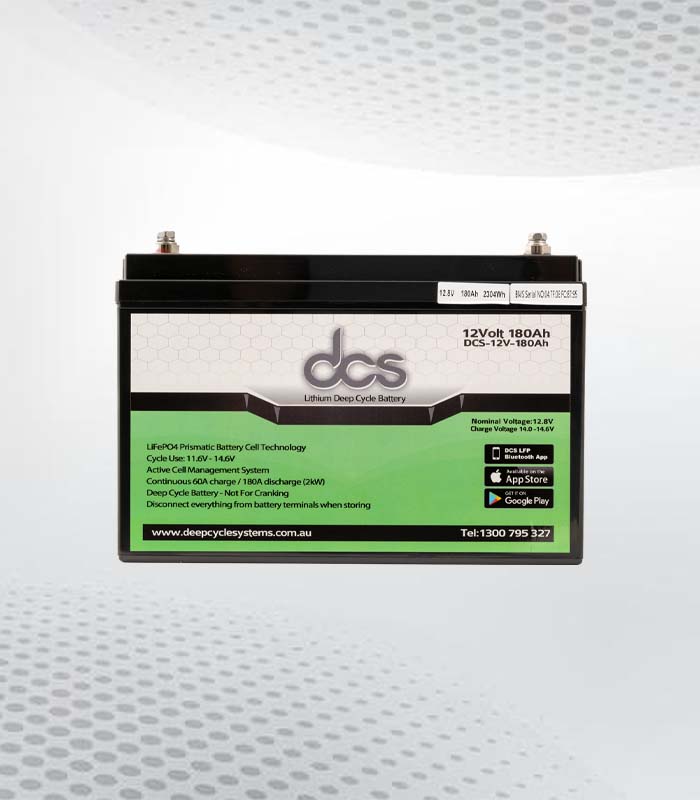
Regarding power storage solutions, the 120-lithium battery stands out as a reliable and efficient option. With its high capacity and deep-cycle capabilities, this battery is a popular choice for various applications. In this blog post, we will delve into the marvels of the 120 lithium battery, exploring its technology, key features, applications, durability, installation and maintenance tips, and how to choose the correct battery for your needs. Let’s unravel the power of the 120-lithium battery together.
The Basics of Lithium 120-Ah Battery Technology
Lithium battery technology represents a significant advancement in energy storage, offering superior performance over traditional options. The designation “120-Ah” signifies a battery’s capacity to deliver 120 ampere-hours, highlighting its ability to sustain power delivery over time. This metric is crucial for understanding the battery’s endurance, particularly in applications requiring a sustained power supply.
Lithium batteries, including the 120-Ah variant, utilise lithium ions moving between the anode and cathode to generate electricity. This mechanism is crucial to their high energy density, allowing for a lighter, more compact design without sacrificing power capacity. The 120-Ah lithium battery embodies these principles, providing an efficient and robust solution for many energy needs. This blend of capacity and efficiency sets it apart, making it an indispensable tool in modern power storage and supply strategies.
Key Features of the 120-Lithium Battery
The hallmark of the 120-lithium battery lies in its superior energy density, which enables it to store more energy in a smaller space, thereby outperforming its counterparts in terms of efficiency and portability. This attribute makes it an exceptionally fitting choice for mobile applications where space and weight are critical factors.
Another distinguished feature is its remarkably high discharge and recharge efficiency, which ensures minimal energy loss during power cycles, thus offering enhanced overall performance. Moreover, the 120-lithium battery is renowned for its longevity, boasting significantly higher charge cycles than conventional batteries. This characteristic contributes to its cost-effectiveness over time and aligns with sustainable energy consumption practices by reducing waste.
Its inherent thermal stability enhances safety by minimising the risk of overheating, a common concern with other battery technologies. The battery’s built-in Battery Management System (BMS) further underscores its uniqueness. The BMS meticulously monitors and regulates the battery’s operation, safeguarding against overcharging, deep discharging, and short-circuiting, extending its service life and ensuring consistent performance under various conditions.
Understanding Deep-Cycle Capabilities
Deep-cycle batteries, exemplified by the 120-lithium battery, are engineered to endure extensive discharge and recharge cycles with minimal impact on their overall efficacy. This resilience makes them exceedingly suitable for scenarios where the battery is regularly depleted and recharged to total capacity. In contrast to shallow-cycle batteries designed for short bursts of high power, deep-cycle units like the 120 Ah variant are built to provide a steady amount of power over a prolonged period.
This capability is integral to their functionality in various settings, ranging from renewable energy storage systems, which efficiently store solar or wind energy for later use, to recreational vehicles and boats, facilitating long-duration trips without frequent recharging stops. Their deep-cycle nature is also vital in emergency power backups and off-grid power solutions, where reliability over numerous cycles is paramount.
The resilience of these batteries under recurrent cycling is attributed to their robust construction and the inherent characteristics of lithium-ion technology, which ensures a lower rate of capacity loss over time compared to other battery technologies. This attribute underscores their operational reliability and cost-effectiveness, translating into fewer replacements and consistent performance throughout their lifespan.
Applications of a Lithium 120ah Battery
The 120-lithium battery finds its place in diverse settings, demonstrating its versatility and adaptability. In mobility, it’s a powerhouse for electric vehicles and golf carts, offering the endurance and reliability needed for extensive use. Caravans and boats benefit immensely from its high capacity, ensuring life on the move is seamless and uninterrupted.
Furthermore, its application in renewable energy systems is noteworthy; it adeptly stores energy generated from solar panels or wind turbines, making it an integral component of sustainable living solutions. For those living off-grid or in remote locations, the lithium 120ah battery is a linchpin, providing a dependable power source that can weather the demands of daily use.
Its role in emergency power backups cannot be overstated; in times of power outages or unforeseen circumstances, it stands as a bulwark, ensuring that critical systems remain operational. This wide-ranging applicability underscores the 120-lithium battery’s role as a pivotal element in modern energy solutions, catering to an array of needs with efficiency and reliability.
Exploring the Durability of a 120-Lithium Battery
The durability of a 120-lithium battery is a testament to its superior construction and design, engineered to withstand the rigours of frequent use. These batteries are crafted to endure many deep discharge cycles without significant degradation, placing them at the forefront of longevity in energy storage. Unlike traditional battery technologies, the lithium 120-ah variant benefits from advanced materials and construction techniques that minimise wear and tear over time.
This resilience is particularly beneficial in applications subject to variable or extreme conditions, where consistent performance is paramount. The inherent stability of lithium-ion chemistry reduces the likelihood of capacity loss over time, ensuring that the battery maintains its efficiency and output for an extended period.
Proper handling and adherence to recommended maintenance practices further enhance the durability of these batteries, making them a reliable choice for a myriad of power requirements. Their robustness, coupled with the ability to deliver consistent power over many cycles, underpins their value in both performance and cost-effectiveness over their lifespan.
Installation and Maintenance Tips
Proper installation and routine maintenance are pivotal for optimising the performance and extending the lifespan of your 120-lithium battery. Here are some critical tips to ensure your battery operates at its peak efficiency:
Correct Installation
Ensure the battery is installed in a well-ventilated area to prevent overheating. The manufacturer should recommend orientation to avoid any potential leakage or reduced efficiency. It’s imperative to secure the battery firmly to minimise vibrations that could lead to internal damage, especially in mobile applications like vehicles and boats.
Regular Cleaning
Keep the battery terminals clean and free from corrosion. A mixture of soda and water bicarbonate can be used to clean any corrosion on the terminals, followed by a rinse with clean water and drying. This not only ensures optimal connectivity but also prevents potential energy loss.
Battery Monitoring
Utilise a battery management system (BMS) or a smart charger to inform you about the battery’s state of charge, health, and overall performance. Monitoring these parameters can help identify issues early and prolong the battery’s useful life.
Temperature Considerations
While the battery’s inherent thermal stability protects against overheating, installing the battery away from direct sunlight and extreme temperatures is still crucial. If possible, maintain a stable temperature environment, as extreme cold or heat can affect the battery’s performance and longevity.
Choosing the Right 120-Lithium Battery for Your Needs
Selecting an appropriate 120-lithium battery involves carefully considering various factors beyond capacity and voltage. It’s essential to assess the dimensions and weight of the battery to ensure it fits snugly within your designated space, especially in applications where compactness and portability are crucial. Compatibility with your existing devices or equipment is paramount, ensuring the battery’s voltage and discharge rates align with your requirements.
Opt for a battery from a reputable manufacturer that stands behind their product with a solid warranty and robust customer support. By scrutinising your specific power storage demands, you can identify a battery that meets and exceeds your expectations, guaranteeing a seamless integration into your power system. Prioritising these considerations will lead you to a 120-lithium battery that offers optimal performance tailored to your needs.
Maximising Efficiency with Your Deep Cycle 120ah Battery
Understanding and implementing optimal charging practices is critical to maximising the efficiency of your deep-cycle 120-ah battery. The inherent capability of this battery type to undergo numerous discharge and recharge cycles without significant efficiency loss sets it apart. Optimising these cycles is pivotal in extending the battery’s life and performance.
It’s crucial to employ a charging strategy that complements the unique chemistry of lithium batteries. This involves using a charger specifically designed for lithium-ion cells, which accurately matches the battery’s voltage requirements and avoids overcharging. An intelligent charger that adjusts the charge rate based on the battery’s current state can significantly enhance its efficiency and longevity. Temperature regulation is another aspect that cannot be overlooked. Lithium batteries perform best within a specific temperature range.
Operating or charging them in extreme temperatures can severely impact their efficiency and lifespan. Thus, situating your battery in a location where environmental temperatures are stable and within recommended limits is essential. Ensuring that your deep cycle 120ah battery is not subjected to deep discharges regularly will aid in maintaining its optimal efficiency. Although designed to handle deep cycles, avoiding completely depleting the battery before recharging can prevent undue stress and contribute to a more robust cycle life.
Conclusion
In exploring the 120-lithium battery, we’ve uncovered a world of efficiency, durability, and adaptability. Its unique blend of high energy density, deep-cycle capability, and robustness opens up new power storage and management horizons. Whether it’s propelling vehicles, powering off-grid homes, or securing critical backup energy, the 120-Ah lithium battery is a testament to the advances in battery technology. Embracing this power solution addresses immediate energy needs and contributes to a more sustainable and energy-efficient future.
FAQs
What are the advantages of using a 120-Ah lithium battery?
There are several advantages to using a 120-Ah lithium battery. Firstly, lithium-ion batteries have a high energy density, meaning they can store much energy in a relatively small and lightweight package. Additionally, they have a low self-discharge rate, retaining their charge for more extended periods when not in use.
How long does it take to recharge a 120-Ah lithium battery?
The time it takes to recharge a 120-Ah lithium battery depends on several factors, including the charger’s output current, the battery’s state of charge, and its internal chemistry. Generally, using an appropriate charger may take a few hours overnight to recharge a fully depleted 120-Ah lithium battery.
Can a 120 lithium battery be used in various applications?
Yes, a 120 lithium battery is versatile and can be used in various applications. From powering electric vehicles and boats to serving as energy storage solutions for off-grid solar systems and recreational vehicles, these batteries find utility in numerous sectors due to their high energy density, reliability, and relatively long lifespan.
What safety precautions should be taken when using a 120-Ah lithium battery?
When using a 120-Ah lithium battery, following proper handling and charging procedures is vital to ensure safety. This includes avoiding overcharging or over-discharging the battery and protecting it from extreme temperatures and physical damage. Additionally, using compatible chargers and monitoring the battery’s temperature during charging can help prevent overheating and potential safety hazards.
| Related Business Listings |
| Contact Directory |
| Local Business Profiles |