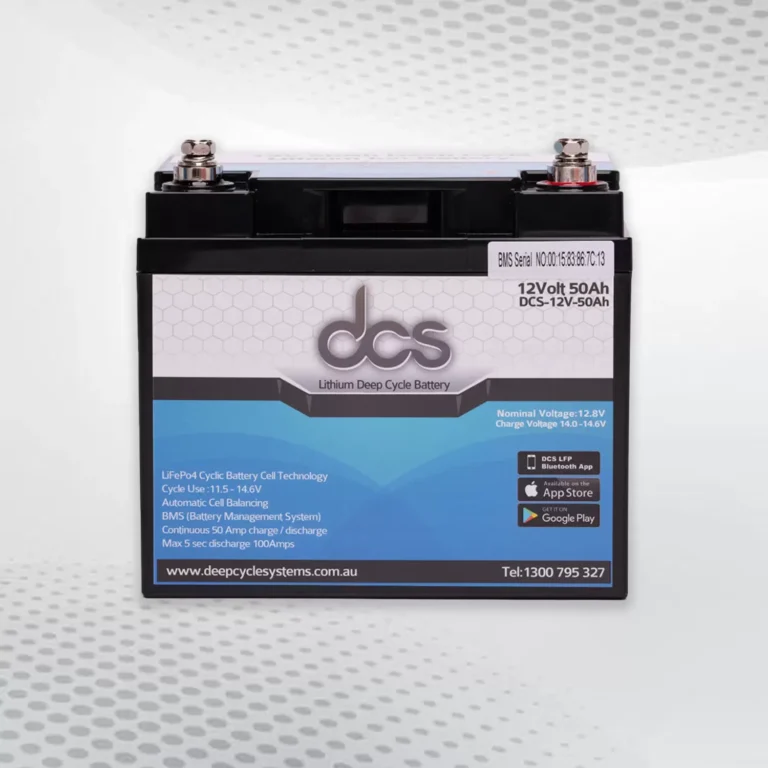
The 50Ah lithium battery has revolutionised how we use energy storage and power devices. With its high energy density, long lifespan, and rapid charging capabilities, this type of battery shapes our future in more ways than one. In this blog post, we will explore how the 50Ah lithium-ion battery technology is changing the landscape of various industries and our daily lives.
Understanding the 50Ah Lithium-Ion Battery Technology
Lithium-ion technology has revolutionised the world of rechargeable batteries, offering superior performance and efficiency compared to older types. The heart of this innovation lies in the movement of lithium ions between the cathode and anode during charging and discharging cycles. The 50Ah lithium-ion battery, with its capacity to hold 50 ampere-hours of electrical charge, epitomises the remarkable capabilities of this technology. It stands out for its ability to deliver consistent power output over an extended period, making it an ideal choice for various applications that demand reliability and endurance.
The construction of a 50Ah lithium-ion battery involves sophisticated materials and engineering. Electrodes made from lithium and other composite materials are separated by a thin electrolyte layer that facilitates the flow of ions while preventing direct electrical contact between the electrodes. This intricate design enhances the battery’s performance and contributes to its safety and longevity. Incorporating built-in electronic circuitry within these batteries is crucial in managing charging and discharging processes, further ensuring their efficiency and safety.
Understanding the underlying technology of the 50Ah lithium-ion battery unveils the reasons behind its widespread adoption across numerous fields. From powering electric vehicles to serving as the backbone for renewable energy storage solutions, this battery technology is at the forefront of the modern energy revolution, driving advancements that promise to make our energy use more sustainable and efficient.
 The Advantages of Using 50Ah Lithium-Ion Batteries
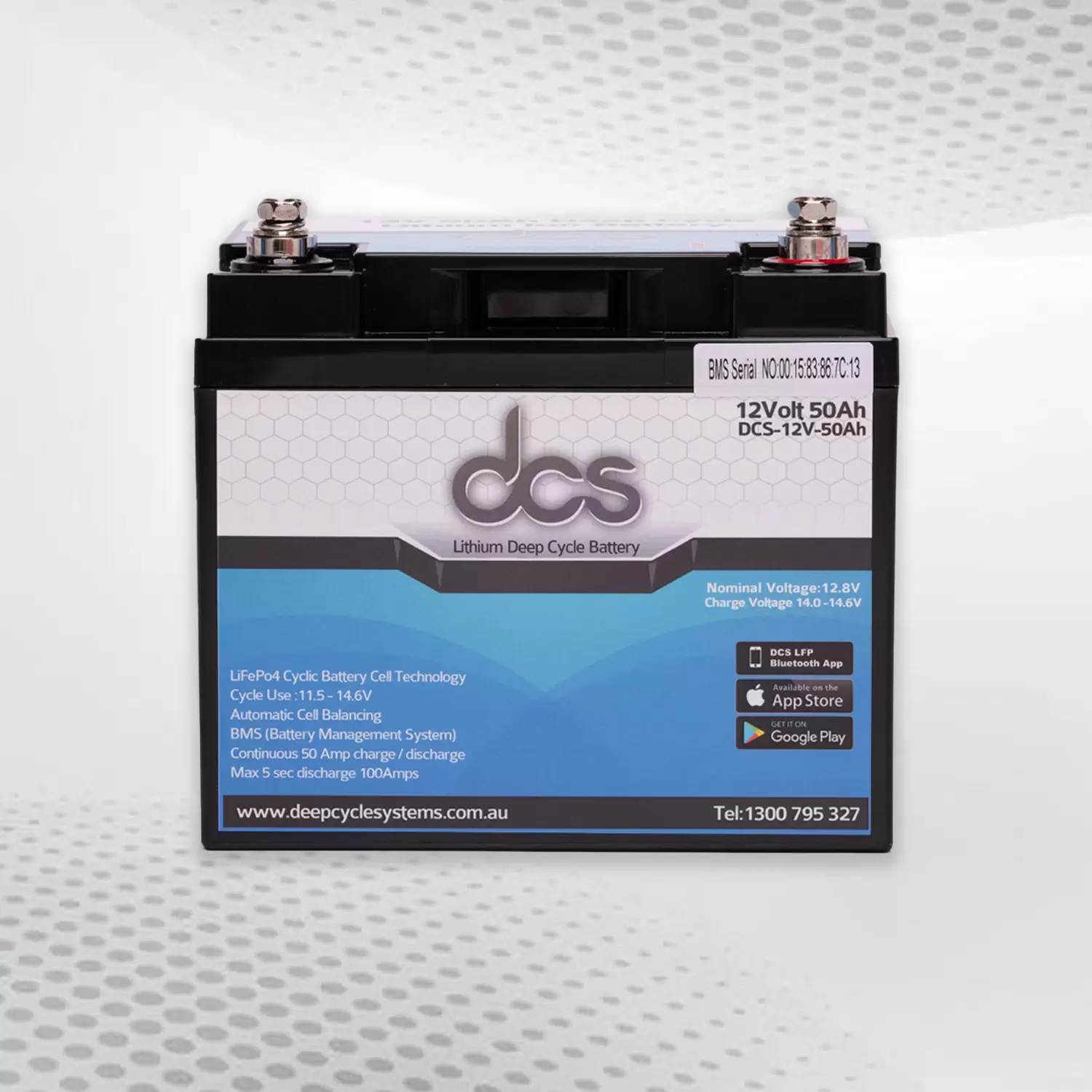
The benefits of utilising 50Ah lithium-ion batteries are manifold, significantly influencing their popularity across various sectors. These batteries boast an impressive energy density, allowing them to pack a substantial energy punch in a compact and lightweight form. This characteristic is particularly advantageous for portable electronic devices and electric vehicles, where space and weight considerations are paramount.
Another notable advantage is their longevity. Lithium-ion batteries are renowned for their extended lifespan, outperforming many alternatives in the rechargeable market. This longevity translates into fewer replacements over time, offering a cost-effective solution for consumers and industries. 50Ah lithium-ion batteries excel in charging efficiency. They can be recharged rapidly, reducing downtime and enhancing productivity, which is mainly in settings where time is of the essence, such as in medical devices or during emergency response operations.
These batteries exhibit a low self-discharge rate. This quality ensures they retain their charge for extended periods when not in active use. This is a crucial attribute for applications where batteries may need to be stored yet ready for immediate deployment, such as in backup power systems or seasonal equipment. the advantages of 50Ah lithium-ion batteries – from their compactness and durability to their rapid charging and low self-discharge capabilities – make them a superior choice for powering today’s and tomorrow’s technologies.
Critical Applications of 50Ah Battery Lithium
The 50Ah battery Lithium is the backbone of various industries, demonstrating its versatility and wide-ranging applications. Due to their high energy density and long cycle life, these batteries have become pivotal in modern technology, ranging from everyday devices to complex systems.
Electric Vehicles (EVs)
Powering electric cars, motorcycles, and scooters, providing the required endurance and performance for daily use and long-distance travel.
Renewable Energy Systems
Integral in solar and wind energy storage solutions, enabling the storage of excess power generated for later use, thereby enhancing the reliability and efficiency of renewable energy sources.
Portable Power Stations
Utilised in mobile power solutions for outdoor activities, emergency power backup, and remote operations where traditional power sources are unavailable.
Medical Devices
Essential in powering a wide range of medical equipment, including portable oxygen concentrators, electric wheelchairs, and other critical healthcare devices that require reliable and long-lasting energy sources.
Uninterruptible Power Supplies (UPS)
Offering crucial backup power for data centers, telecommunications equipment, and other critical systems where power interruptions can lead to significant disruptions or data loss.
Marine Applications
Used in boats and yachts for powering onboard electrical systems, navigation devices, and propulsion in some cases, providing a cleaner alternative to traditional fuel-powered systems.
Maintenance and Safety Tips for 50Ah Lithium-Ion Batteries
To maximize both the performance and lifespan of 50Ah lithium-ion batteries, adhering to a few maintenance and safety guidelines is paramount. It’s crucial not to let the battery discharge entirely or charge it beyond its capacity, as both can significantly affect its longevity and safety. Keeping the battery in environments that are neither too hot nor too cold can prevent damage to its internal structure, thus preserving its efficiency.
When charging these batteries, always use a charger that matches the specifications recommended by the manufacturer. Using an incompatible charger risks damaging the battery and can pose a safety hazard. Regularly inspect the battery for wear, damage, or abnormal bulging. Should these signs be evident, it’s advisable to cease usage and consider battery replacement to avoid potential risks.
It’s essential to keep the battery away from flammable materials during both use and charging. In case of a battery leak, avoid contact with the substance leaked and dispose of the battery following local regulations and guidelines. These proactive measures ensure the user’s safety and contribute to the optimal performance and durability of the 50Ah lithium-ion batteries, aiding in the efficient operation of the devices they power.
Future Prospects for 50Ah Li-Ion Batteries
The trajectory for 50Ah lithium-ion batteries points towards groundbreaking enhancements that promise to redefine energy storage and power supply paradigms. Innovations in materials science are anticipated to lead to even higher energy densities, enabling devices and vehicles powered by these batteries to operate longer on a single charge. This could dramatically increase the efficiency and convenience of electric cars, potentially accelerating the transition from fossil fuels. Further advancements are on the horizon in the realm of charging technologies.
Researchers are working on reducing charging times substantially without compromising battery lifespan or safety. Such developments could resolve one of the major drawbacks of electric vehicles – long charging periods – and make them more appealing to a broader audience. Production scaling and enhancements in recycling processes are set to reduce costs and environmental impacts, making 50Ah lithium-ion batteries more accessible and sustainable.
New recycling technologies aim to recover a higher percentage of valuable materials from used batteries, thereby decreasing the demand for raw materials and reducing the ecological footprint of battery production. These prospects indicate an evolution of the 50Ah lithium-ion battery and a revolution in how we store and use energy, marking a significant leap towards a cleaner, more efficient, and sustainable future.
The Environmental Impact of 50 Ah Lithium Batteries
The production and disposal of 50 Ah lithium batteries carry environmental implications that merit consideration. Manufacturing these batteries involves extracting raw materials such as lithium, cobalt, and nickel, which can lead to habitat destruction and pollution if not managed responsibly. Furthermore, the energy-intensive nature of producing lithium-ion cells contributes to carbon emissions, although advances in renewable energy sources for manufacturing are helping to mitigate this impact.
Disposal poses another challenge; lithium-ion batteries can release toxic substances into the environment if not recycled properly, leading to soil and water contamination. Encouragingly, strides in recycling technology are enhancing the efficiency of reclaiming valuable materials from spent batteries, reducing the need for new raw materials and lessening the ecological footprint of their lifecycle. Nevertheless, the onus remains on industry and consumers alike to support recycling initiatives and opt for sustainable practices to minimize the environmental burden of these indispensable power sources.
Future Trends in Lithium-Ion Battery Technology
As we navigate towards a future with an increasing reliance on battery technology, several emerging trends are set to revolutionise lithium-ion battery capabilities. Among these, solid-state batteries stand out as a significant development. By replacing the liquid electrolyte with a solid, these batteries offer enhanced safety features by virtually eliminating the risk of leakage and reducing the likelihood of fire. This alteration could also increase energy density, allowing longer-lasting batteries without increasing their physical size.
Improved thermal management systems represent another crucial area of advancement. These systems are essential for optimal battery performance and longevity, especially in more demanding applications such as electric vehicles and large-scale energy storage systems. Innovations in this field are focused on more efficiently dissipating heat generated during charging and discharging processes, which could extend the life of the batteries and enhance their overall efficiency.
The advancements in recycling processes are expected to play a pivotal role in the sustainability of lithium-ion batteries. New techniques are being developed to reclaim and repurpose valuable materials from spent batteries more effectively. This mitigates the environmental impact associated with mining new materials and addresses the growing need for a circular economy in the battery industry, ensuring that the resources are utilised in the most efficient manner possible.
Conclusion
The transformative role of the 50Ah lithium battery in advancing energy storage and power supply is unmistakable. As we stride into an era where the demand for cleaner, more efficient energy sources escalates, these batteries emerge as pivotal enablers of this transition. Their integration across a spectrum of industries, from automotive to renewable energy storage, underscores their versatility and their critical role in driving innovation. The ongoing developments in battery technology further promise to amplify their impact, offering glimpses into a future where energy storage is more efficient and sustainable.
FAQs
Q: What measures should be taken to use 50Ah lithium-ion batteries safely?
A: Adhering to specific guidelines is crucial for safely operating 50Ah lithium-ion batteries. This includes using the correct charger, avoiding exposure to extreme temperatures, and not overcharging or fully discharging the battery. Regular inspection for damage or abnormal conditions is also advisable. Following the manufacturer’s recommendations for usage and storage will significantly minimize risks associated with these batteries.
Q: Is it possible to recycle 50Ah lithium-ion batteries, and how does this process benefit the environment?
A: Indeed, 50Ah lithium-ion batteries are recyclable. The recycling process allows for the extraction and reuse of valuable materials, such as lithium and cobalt, thereby conserving resources and reducing the environmental impact. Effective recycling helps decrease the demand for raw material extraction, lessening habitat destruction and pollution. Individuals contribute to a more sustainable and resource-efficient future by supporting battery recycling initiatives.
Q: How can one contribute to extending the lifespan of a 50Ah lithium battery?
A: Extending the lifespan of a 50Ah lithium battery involves maintaining a moderate temperature during use and storage, avoiding complete discharges, and using the battery regularly within its operational guidelines. Charging the battery with a compatible charger and keeping it away from moisture and direct sunlight are vital practices. These steps ensure optimal performance and longevity, ultimately contributing to the battery’s durability and reliability.
| Other Good Articles to Read |
| niche blogs connect |
| blogs 97 |
| Blog Stitution |
| blogs unplugged |
| blogs cotchrouge |
| blog signatr |
| blog sintonias |
| blog zilla |
| consumer forums |
| finance forums |
| g blogs |
| too blog |
| Related Business Listings |
| Contact Directory |
| Local Business Profiles |