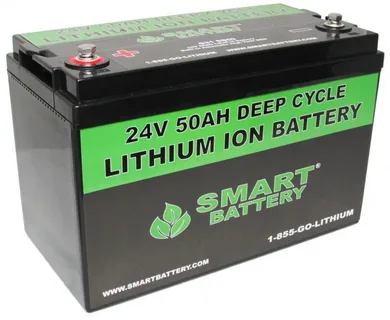
As vessels glide across shimmering waves, a silent revolution is taking place beneath the hulls of modern boats. Gone are the days when heavy lead-acid batteries ruled the seas; meet their sleek, powerful successors—lithium ion marine battery! These high-tech powerhouses promise superior performance and enhanced safety and sustainability in our oceans. Whether you’re a seasoned sailor or just dipping your toes into maritime adventures, understanding this cutting-edge technology can transform your experience on the water. Dive in with us as we explore how lithium-ion batteries are powering up marine life and steering the future of boating towards greener horizons!
Introduction to Lithium-Ion Marine Batteries
Navigating the waters on a boat requires more than skill and passion; it demands reliable power sources to keep you moving. As technology advances, traditional lead-acid batteries make way for a new star in marine energy: lithium-ion batteries. These powerful companions are changing the game for boaters everywhere.
Imagine spending hours out on the open sea without worrying about your battery life. Picture faster charging times, lighter weights, and enhanced performance. Lithium-ion marine batteries offer all this and more, ensuring your adventures remain uninterrupted.
Understanding these innovative power solutions is essential whether you’re cruising for leisure or tackling challenging waters. Dive into the world of lithium-ion technology and discover how it can transform your boating experience!
Advantages of Lithium-Ion Batteries for Marine Use
Lithium-ion batteries are revolutionizing marine power solutions. They offer remarkable energy density, which means they store more power in a smaller size compared to traditional lead-acid batteries. Weight reduction is another significant advantage. Boaters can enjoy improved fuel efficiency and enhanced handling with lighter battery systems onboard.
These batteries also have a longer lifespan, often up to ten years or more with proper care. This longevity reduces the frequency of replacements and saves money over time. Additionally, lithium-ion technology provides faster charging times, so you can get back on the water sooner after a long day of fun.
Performance in extreme temperatures is impressive too. Whether it’s scorching summer sun or chilly winter conditions, these batteries maintain their effectiveness without compromising safety. Minimal maintenance requirements allow boaters more time to enjoyto enjoy their adventures instead of worrying about upkeep.
Common Applications for Lithium Ion Marine Batteries
Lithium ion marine batteries have been gaining popularity in the boating industry due to their numerous advantages over traditional lead-acid batteries. Not only are they lighter and more compact, but they also have a longer lifespan and provide more consistent power output. These qualities make them ideal for a range of marine applications.
One of the most common uses for lithium-ion marine batteries is as a power source for electric boats or hybrid vessels. With the increasing concern for environmental sustainability, there has been a growing demand for eco-friendly alternatives to traditional fuel-powered boats. Lithium-ion batteries are an excellent solution as they do not produce harmful emissions and can be recharged using renewable energy sources such as solar panels or wind turbines. They also offer higher energy density, allowing boats to travel longer distances on a single charge.
Another popular application for lithium-ion marine batteries is as a backup power source for onboard electronics and systems. In engine failure or emergencies, having reliable backup power can be crucial. Unlike lead-acid batteries that require regular maintenance and can lose their charge quickly, lithium-ion batteries offer longer shelf life and retain their charge even when not in use for extended periods.
Key Components and Construction of a Lithium-Ion Marine Battery
The increasing demand for sustainable and efficient energy sources has led to the development of various technologies, one of which is the lithium-ion battery. These batteries are widely used in different industries, including marine applications, and they have become a popular choice due to their high energy density and longer lifespan.
In this section, we will examine the key components and construction of a lithium-ion marine battery, explaining how these batteries work and what makes them suitable for use in the marine environment.
1. Cathode Material
The cathode material is a crucial component of a lithium-ion battery as it determines its voltage and energy capacity. In marine batteries, the most commonly used cathode materials are nickel-cobalt-aluminum (NCA), nickel-manganese-cobalt (NMC), and lithium iron phosphate (LFP). NCA offers high energy density but is more prone to overheating. At the same time, NMC provides a balance between energy capacity and safety. LFP has lower energy density but is safer and more stable, making it ideal for marine applications.
2. Anode Material
The anode material in a lithium-ion battery is typically graphite, which can store large amounts of Li ions during charging. However, there have been developments in using silicon-based anodes, which offer higher energy storage capacity but also pose challenges such as volume expansion during charging cycles.
3. Separator
A thin layer, the separator, separates the cathode from the anode inside the battery cell. This layer acts as a barrier between these two electrodes to prevent short circuits, allowing Li ions to flow through during charge-discharge cycles.
4. Electrolyte
The electrolyte in a lithium-ion battery consists of salts dissolved in organic solvents, which facilitate ion transfer between electrodes during charging or discharging.
5. Construction
Marine batteries generally consist of multiple cells connected to form larger units with higher voltage outputs suitable for powering boats and other marine vessels. These cells are usually cylindrical or prismatic in shape, with the electrodes sandwiched between a separator and the electrolyte.
The key components of a lithium-ion marine battery work together to store and release energy efficiently. The construction of these batteries allows for higher energy densities while also considering safety concerns in demanding environments such as the marine industry. With ongoing research and technological advancements, we can expect even more efficient and durable lithium-ion batteries to power our future marine vessels.
How to Choose the Right Lithium Ion Deep Cycle Battery for Your Boat
When it comes to selecting the right lithium ion deep cycle battery for your boat, there are a few important factors to consider. These batteries have become increasingly popular among boaters due to their lightweight design, long lifespan, and high energy density. However, not all lithium-ion batteries are created equal and choosing the wrong one can lead to performance issues or even safety hazards. Here are some key points to remember when selecting a lithium ion battery for your boat.
1.Capacity and Voltage
The first thing you should determine is the capacity and voltage that your boat requires. This will depend on the size of your boat, its electrical needs, and any additional equipment or appliances you plan on running with the battery. Choosing a battery with enough capacity to meet your specific power needs is important.
2. Type of Lithium Ion Battery
There are different types of lithium-ion batteries, each with its advantages and disadvantages. The two main types used in marine applications are Lithium Iron Phosphate (LiFePO4) and Lithium Cobalt Oxide (LiCoO2). LiFePO4 batteries have a longer lifespan and higher safety rating but may be more expensive upfront. LiCoO2 batteries have a higher energy density but may not last as long as LiFePO4 batteries.
3. Marine-Specific Features
When selecting a lithium-ion battery for your boat, it’s important to look for features specifically designed for marine use, such as waterproofing, vibration resistance, and corrosion protection. These features will ensure the battery can withstand harsh marine environments without compromising its performance or longevity.
4. Quality and Brand Reputation
As with any product, it’s essential to research the quality and reputation of the brand before making a purchase decision. Choose a reputable manufacturer that has been in the market for some time and has positive reviews from other boaters.
5 .Safety Considerations
It’s crucial to understand the safety features of the lithium-ion battery you are considering. To prevent potential hazards, look for batteries with built-in protection against overcharging, overheating, and short circuits.
Choosing the right lithium ion deep cycle battery for your boat involves considering factors such as capacity and voltage requirements, type of battery, marine-specific features, brand reputation, safety considerations, and budget. It’s always best to consult with a professional or do thorough research before making any purchase decision to ensure you select the best battery for your specific needs and boating lifestyle.
Maintenance and Care Tips for the Longevity of Your Marine Battery
Regular maintenance is key to ensuring the longevity of your lithium-ion marine battery. Start by keeping the terminals clean and free from corrosion. A simple wipe with a damp cloth helps maintain optimal connections.
Periodically check the battery casing for signs of damage or wear. If you notice cracks or swelling, it might be time to consider replacement. Temperature plays a significant role in battery performance. To avoid overheating, store your battery in a cool, dry place when not in use.
Monitor the state of charge regularly using an appropriate gauge. Keeping your battery adequately charged will prevent deep discharges that can shorten its lifespan. Lastly, follow manufacturer guidelines for charging practices and cycle times. Proper adherence enhances performance while minimizing risks associated with overcharging or undercharging.
Safety Precautions When Using Lithium-Ion Batteries on the Water
Safety should always be a priority when using lithium-ion batteries on the water. Firstly, ensure proper installation. Secure connections can prevent short circuits and reduce fire risks. Always follow manufacturer guidelines during setup. Check for signs of damage or wear regularly. Cracks or swelling may indicate that a battery is compromised and could fail unexpectedly.
Ventilation is crucial in confined spaces. Ensure adequate airflow to avoid heat buildup, which can lead to overheating. Use quality chargers designed specifically for lithium-ion technology. Mismatched equipment can cause dangerous conditions.
Keep an eye on temperature changes while in use or charging. Extreme temperatures can impact performance and safety. Finally, have a plan in case of emergencies. Know how to quickly disconnect your battery system if needed, and always keep a fire extinguisher rated for electrical fires nearby.
Future Developments and Innovations in Lithium-Ion Marine Batteries
The marine industry is poised for exciting advancements in lithium-ion battery technology. Manufacturers are investing heavily in research to boost energy density and reduce charging times, which could revolutionize boaters’ experience of power at sea.
Solid-state batteries are gaining traction as a promising alternative. They offer higher efficiency and improved safety compared to traditional lithium-ion designs. The potential for lighter, more compact options could lead to sleeker vessel designs.
Moreover, smart battery management systems are emerging, allowing real-time performance and health status monitoring. These innovations not only enhance user experience but also significantly increase lifespan.
Recyclability is another focal point for developers aiming to create sustainable solutions within the marine sector. As environmental considerations grow, manufacturers work towards eco-friendly materials that minimize waste. With these developments on the horizon, the future looks bright for lithium-ion marine batteries and those who depend on them while navigating waters.
Conclusion
Choosing the right battery for your boat is a significant decision. Lithium ion marine battery offers numerous benefits that can enhance your boating experience. Their lightweight design, superior energy density, and longer lifespan compared to traditional lead-acid batteries make them attractive. However, they do come with considerations such as initial cost and specific charging requirements. Evaluating how often you use your boat, the power needs of your equipment, and maintenance capabilities will play a crucial role in making this choice. Lithium-ion technology represents a forward-thinking solution for those prioritising efficiency and performance on the water.
FAQs
Q: What is a lithium ion marine battery?
A: A lithium-ion marine battery is rechargeable and uses lithium ions as the primary electrolyte. It is commonly used in marine applications due to its high energy density, long lifespan, and ability to provide consistent power.
Q: How do lithium-ion marine batteries work?
A: These batteries work by storing energy through the movement of lithium ions between the positive and negative electrodes. When charging, the electricity causes the positively charged ions to move from the cathode to the anode, where they are stored. During discharge, these ions move back to the cathode and generate electricity.
Q: What makes lithium-ion marine batteries different from traditional lead-acid batteries?
A: Lithium-ion marine batteries have a much higher energy density than lead-acid batteries. This means they can store more energy per unit of weight or volume, making them more compact and lightweight. They also have a longer lifespan and can be recharged many times than lead-acid batteries.
| Related Business Listings |
| Contact Directory |
| Local Business Profiles |