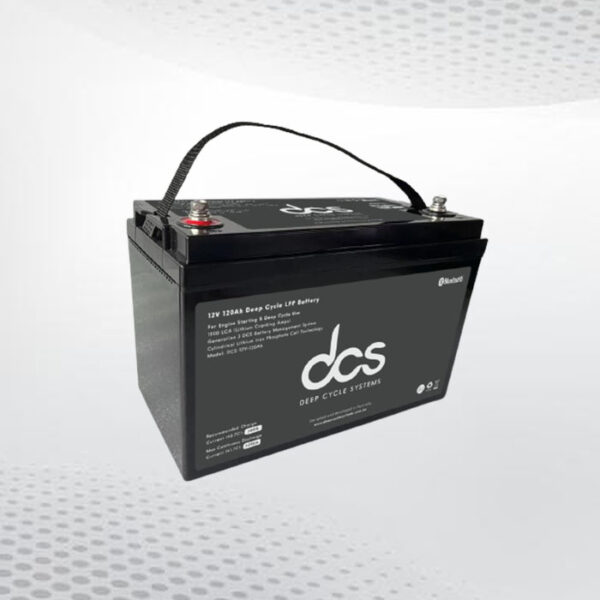
A reliable and long-lasting deep cycle battery is essential when it comes to powering up your off-grid adventures or providing backup energy for your home. And if you’re in the market for a battery with the highest capacity and longest lifespan, look no further than the powerhouse of all deep cycle batteries – the largest deep cycle battery. With its impressive amp hour rating and durable construction, this battery is designed to provide reliable and consistent power for your energy needs.
Understanding the Basics of Deep Cycle Batteries
Grasping the fundamentals of deep cycle batteries is vital in appreciating the power and functionality of the largest variants of these power sources. Unlike standard car batteries that deliver short, high-power bursts, deep cycle batteries are constructed to consistently discharge a large portion of their stored energy before recharging.
This trait is encapsulated in the term ‘deep cycle’ which refers to the extensive discharge levels these batteries can endure without incurring damage. This core attribute differentiates them from other battery types and enables them to be used in a wide array of applications requiring sustained power over prolonged periods.
The Impressive Capacity of Big Deep Cycle Battery
One of the key characteristics of a big deep cycle battery is its substantial capacity. Often measured in ampere-hours (Ah), the capacity of these powerhouses usually spans from 100 to 200 Ah, although some models exceed this threshold.
This remarkable capacity enables a consistent power supply over extended durations, making them perfect for applications that necessitate continuous power, such as operating appliances in recreational vehicles or functioning marine electronics. Thus, a larger deep cycle battery offers a significant amount of stored energy and a potential reduction in recharge frequency, delivering a blend of efficiency and convenience.
Charging a Large Deep Cycle Battery
The process may take longer when charging a large deep cycle battery due to its substantial capacity. It is essential to use a charger that matches the battery’s capacity to ensure effective charging.
Rapid charging should be avoided to prevent the risks of overheating and potential damage to the battery. Instead, a slow and steady charging approach is recommended. It is also important to consider the battery’s state of charge and temperature, as they can affect charging efficiency.
Therefore, charging the battery in a cool and dry environment is best for optimal results. Always follow the manufacturer’s instructions when charging to avoid potential damage to your battery and ensure its longevity.
The Wonder of the Largest Deep-Cycle Battery
Awe-inspiring in size and power, the largest deep-cycle battery raises the bar in energy storage. These batteries redefine endurance with capacities often soaring beyond the 200 Ah mark.
This means they can power devices and applications for an extended duration, drastically reducing the need for frequent charging. Consequently, this saves considerable time and energy, making them an invaluable asset for commercial solar setups, marine expeditions and other high-demand situations.
The sheer scale and energy potential of the largest deep-cycle battery is a testament to the innovative advancements in battery technology, making it a truly captivating facet of the power world.
Delving into High Capacity Deep Cycle Battery
High Capacity Deep Cycle Battery pushes the boundaries of endurance and efficiency. Developed with plates of greater thickness and a denser active material, these batteries can store more energy.
They are designed to endure many deep discharge cycles whilst maintaining their performance over a lengthy period. With such characteristics, they are the preferred choice for heavy-duty applications.
Such an investment can ensure sustained power supply when power demand is high and consistent, such as in off-grid power setups or long-term marine expeditions. These high capacity batteries bear testament to the remarkable innovations in battery technology, offering an optimal blend of power and longevity.
Exploring the Highest Amp Hour Deep Cycle Battery
Ampere hours (Ah) play a crucial role in delineating the capacity of a battery. Venture into the realm of the highest amp hour deep cycle battery and you’ll find a powerhouse of energy storage, with its capacity often surpassing the 250 Ah threshold.
The remarkable capacity equates to extended periods of steadfast power, ideal for various applications. These batteries are a formidable choice, from supporting off-grid power systems to sustaining long-duration marine journeys. With such high amp hour ratings, these batteries provide robust, dependable power when needed.
However, it’s worth noting that these high-capacity batteries have their own requirements, such as appropriate charging methods and maintenance routines. But with careful attention to these needs, users can reap the benefits of the robust energy supply these highest amp hour deep cycle batteries offer.
The Considerations for Purchasing a Deep Cycle Battery
When investing in a deep cycle battery, it’s crucial to be mindful of several elements:
- The battery’s capacity, usually measured in ampere-hours (Ah), is fundamental, especially if you’re contemplating a high-capacity model.
- The estimated lifespan of the battery is a crucial consideration, particularly given that larger deep cycle batteries generally outlast their smaller counterparts. On the flip side, these larger batteries often require more frequent maintenance, so it’s important to consider this.
- The overall cost is an important aspect to ponder.
While these batteries may demand a substantial initial outlay, this cost can often be balanced out by their extended service life and robust performance. By weighing these factors, you can make an informed decision when purchasing a deep cycle battery.
Maintenance Tips for Deep Cycle Batteries
Maintaining a deep cycle battery correctly can significantly extend its lifespan and efficiency. Regular cycling, which involves charging and discharging the battery, is essential in keeping the battery in optimal condition. Avoid overcharging at all costs as it can lead to damaging consequences such as overheating.
Ensuring the battery remains clean and dry prevents corrosion and enhances performance. It’s also crucial to regularly inspect the battery for any signs of damage or wear, addressing these promptly to prevent further degradation. These straightforward yet effective maintenance steps can vastly improve the longevity and reliability of a deep cycle battery.
Remember that maintenance may be required more frequently for large deep cycle batteries due to their size and capacity. Nevertheless, the superior performance and extended lifespan offered by these batteries makes the additional care worth the effort. By adopting these tips, the potential of your deep cycle battery can be fully realised.
Breaking Down the Technology behind Large Deep Cycle Batteries
The intricate engineering of large deep cycle batteries contributes significantly to their superior performance. Central to their design are the thicker plates, capable of enduring numerous deep discharge cycles whilst maintaining performance.
These plates are more robust, enhancing the battery’s longevity and making it an excellent choice for demanding applications. The batteries also utilise a denser active material, allowing for increased energy storage. This means they can power high-demand appliances for longer before recharging. Another noteworthy feature is the greater amount of electrolyte.
This crucial component facilitates the electrochemical reaction that generates the electrical energy, meaning a larger amount can contribute to increased battery capacity. The sophisticated design and cutting-edge technology that go into crafting these large deep cycle batteries are key to their remarkable energy output and longevity.
Mastering Battery Performance Optimisation
Maximising the benefits of a deep cycle battery necessitates a keen understanding of its unique features and proper usage. These batteries are designed to regularly withstand deep discharges, hence utilising them in this manner optimises their performance.
Maintenance and appropriate charging techniques are also fundamental to optimising the battery’s use. Following the manufacturer’s guidelines for charging and upkeep is crucial, preventing unnecessary damage and prolonging the battery’s lifespan.
Additionally, it’s worth remembering that high-capacity batteries may need more frequent maintenance due to their size and energy potential. By fully embracing the unique properties of deep cycle batteries, users can unlock a reliable and long-lasting power source for a diverse range of applications.
Low-maintenance high-capacity deep cycle battery
For individuals or organisations seeking a potent power source with minimal upkeep, a low-maintenance high-capacity deep cycle battery is a fantastic choice. The remarkable capacity of these batteries allows them to provide a steady supply of energy for extended periods, making them ideal for applications that require sustained power.
However, their real charm lies in their low-maintenance nature. Compared to other batteries of similar capacities, low-maintenance deep cycle batteries have been engineered for longevity with minimal intervention.
This is achieved through robust materials in their construction and design features that minimise wear and tear, reducing the likelihood of damage over time. These batteries’ resilience to deep discharge cycles is a great feature, allowing them to maintain performance even when frequently discharged and recharged.
Additionally, their charging processes have been optimised to avoid common issues like overcharging, often leading to reduced lifespan and performance. This ensures your battery stays in optimal condition, extending its service life and maintaining a reliable power supply.
However, it is important to note that ‘low-maintenance’ doesn’t mean ‘no-maintenance’. Even with these batteries, some level of care is required. Regular inspections to identify any signs of wear or damage and ensure the battery stays clean and dry are still essential.
These simple practices can prolong the life and enhance the performance of your low-maintenance deep cycle battery, allowing you to maximise your investment. Thus, the low-maintenance high-capacity deep cycle battery is an excellent option for those needing a resilient, high-performance power source with less upkeep.
Reliable and durable large deep cycle battery for backup power
Reliability and durability are paramount when we consider the essential qualities of a backup power source. A large deep cycle battery perfectly encapsulates these qualities. The high capacity of these batteries means they can store and provide a substantial amount of energy, perfect for use as backup power in emergencies or during power outages.
Their robust construction ensures they can withstand regular use and perform effectively over a long period. This makes them a reliable choice for those who require a dependable backup power source.
The durability of these batteries stems from their unique design. With thicker plates and a denser active material, they can endure multiple deep discharge cycles without compromising on performance. This longevity, coupled with their impressive energy storage, provides a dependable solution when power is needed most.
Large deep cycle batteries are versatile, with applications extending beyond backup power. They’re perfect for renewable energy systems, recreational vehicles, marine boats, and more. As backup power, they offer an exceptional performance, being capable of supporting critical loads such as refrigerators, lights, and medical equipment during a power outage.
This reliability and durability make them an investment worth considering, providing peace of mind that you’ll have power when you need it most. Remember, while they might come with a higher initial cost, their extended lifespan and robust performance can make them a cost-effective solution in the long run. With these qualities, a large deep cycle battery is a reliable and durable backup power source.
FAQs
1. Q: How do I determine the capacity of a deep cycle battery?
A: Capacity is typically measured in ampere-hours (Ah). The higher the Ah, the greater the battery’s capacity to store energy.
2. Q: What is the lifespan of a large deep cycle battery?
A: While the lifespan varies, larger deep cycle batteries generally tend to have a longer lifespan due to their robust construction and superior technology.
3. Q: What maintenance is required for a high-capacity deep cycle battery?
A: Regular cycling, preventing overcharging, keeping the battery clean and dry, and frequent inspections for signs of damage are essential.
4. Q: How long does charging a large deep cycle battery take?
A: The charging process may take longer due to the substantial capacity. The exact duration will depend on the specific battery model and the charger used.
5. Q: Can a high-capacity deep cycle battery be used for any application?
A: Yes, but they’re particularly effective in situations demanding consistent power over prolonged periods, like commercial solar setups or long-term marine expeditions. Always ensure the battery’s specifications match your power requirements.
Conclusion
In wrapping up, it’s undeniable that the world of deep cycle batteries is fascinating and offers a wealth of options to suit different energy needs. The largest deep cycle battery is a clear standout, representing the zenith of power, capacity, and endurance. Its potential to consistently deliver reliable power for extended periods makes it ideal for numerous applications, especially those with high energy demands.
| Other Good Articles to Read |
| Cme Blog Spot |
| Garcias Blogs |
| Yyc Blogs |
| Guiade Blogs |
| Blogs-Hunt |
| Impact-Blog |
| Smarty Blogs |
| Ed Blog |
| Mo Blogs |
| Blogs Em |
| Blogs T |
| Related Business Listings |
| Directory Submissions |
| Regional Directory |