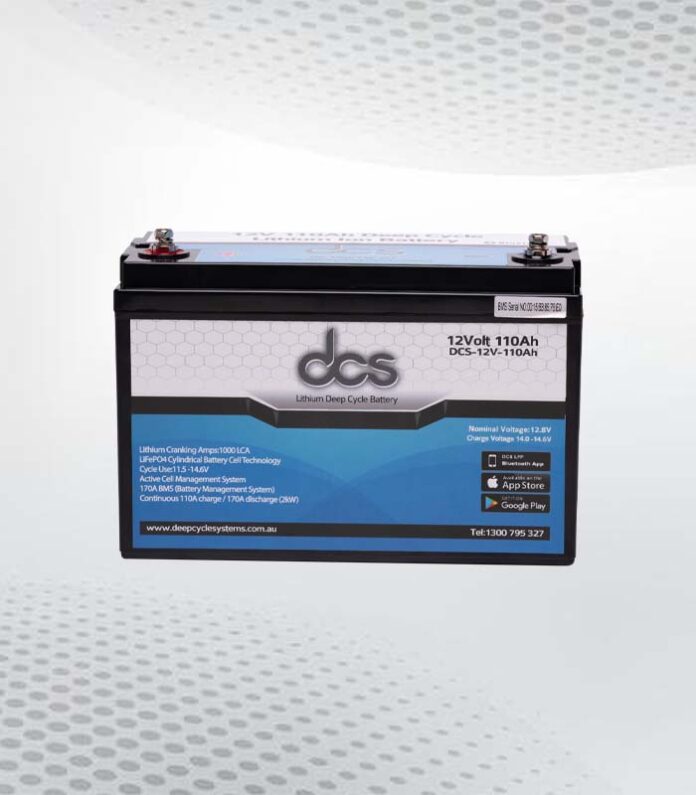
If you’re looking for a dependable power source for your automotive, RV, or boat, consider upgrading to a 12v Lithium Ion Battery. Not only do that batteries offer superior performance compared to lead-acid batteries, but they also boast a longer lifespan and are lighter in weight. That blog post, will look at some of the benefits of a 12v Lithium-Ion Battery and explain why you should switch.
Understanding the Basics of Lithium Ion Batteries
Lithium-ion batteries have become increasingly popular due to their superior performance and longer lifespan than traditional lead-acid batteries. Understanding the basics of how lithium-ion batteries work can help you make an informed decision about upgrading to a 12V lithium-ion battery.
Lithium ions are released from the positive electrode and move through the electrolyte to the negative electrode during charging. That creates an electrical current that can be used to power your automotive, RV, or boat. One of the key advantages of lithium-ion batteries is their high energy density. That means that they can store a larger amount of energy in a smaller and lighter package than other battery types. As a result, lithium-ion batteries are more compact and lightweight, making them ideal for applications where space and weight are limited.
Low Self-Discharge Rate
Another benefit of lithium-ion batteries is their low self-discharge rate. That means they can hold their charge for longer periods without significant loss of power. Lithium-ion batteries do not suffer from the memory effect, which can occur with other battery chemistries and lead to decreased capacity over time.
Benefits of Upgrading to a 12 Volt Lithium Ion Battery
Upgrading to a 12 Volt Lithium Ion Battery offers numerous benefits for automotive, RV, and boat owners. Firstly, that batteries provide superior performance compared to traditional lead-acid batteries. They deliver a higher energy density, meaning they can store more power in a smaller, lighter package. That increased energy density allows for longer-lasting power and enhanced efficiency, ensuring your vehicle or boat runs smoothly for longer periods.
Secondly, 12V lithium ion batteries have a longer lifespan than lead-acid batteries. With proper care and maintenance, that batteries can last up to three times longer, saving you money in the long run by avoiding frequent replacements.
Furthermore, the lightweight nature of 12V lithium ion batteries makes them an ideal choice for applications where weight and space are limited. They are significantly lighter than lead-acid batteries, which can improve your vehicle or boat’s overall performance and fuel efficiency.
Applications For 12V Lithium Ion Batteries
12V lithium ion batteries have a wide range of applications due to their superior performance and long-lasting power. Here are some common applications where 12V lithium ion batteries are widely used:
- Automotive: 12V lithium ion batteries are commonly used in electric and hybrid vehicles (EVs). That batteries provide the necessary power to run the electric motor and other vehicle components such as lights, radio, and air conditioning. That batteries’ high energy density and long lifespan make them an ideal choice for the automotive industry.
- Recreational Vehicles (RVs): RVs require reliable power sources for various applications such as lighting, appliances, and entertainment systems. 12V lithium ion batteries offer a lightweight and efficient solution, ensuring a reliable power supply for extended periods.
- Marine: 12V lithium ion batteries are increasingly used in boats and marine applications. They provide a lightweight and durable power source for essential marine equipment such as navigation systems, fish finders, and communication devices. The ability of that batteries to withstand harsh marine environments makes them a popular choice among boat owners.
- Solar Power Systems: 12V lithium ion batteries are commonly used in solar power systems for energy storage. That batteries can store excess energy generated by solar panels during the day and release it when needed, ensuring a continuous power supply during cloudy days or at night.
Factors To Consider Before Upgrading To A 12v Lithium-Ion Battery
Before upgrading to a 12v Lithium-Ion Battery, there are several factors you should consider to ensure it is the right choice for your specific needs. Firstly, you should assess your power requirements. Determine the power needs of your automotive, RV, or boat, and compare them to the specifications of the 12v Lithium-Ion Battery you are considering. Ensure the battery can provide sufficient power to meet your needs, considering any potential future upgrades or upgrades to your power system.
Compatibility Of The 12v Lithium-Ion Battery
Consider the compatibility of the 12v Lithium-Ion Battery with your existing power system. Check if the battery is compatible with your vehicle or boat’s charging system and other components or devices. It is important to ensure the battery integrates seamlessly into your existing setup.
Additionally, consider the charging requirements of the 12v Lithium-Ion Battery. Some batteries may require a specific type of charger or charging process. Ensure you have the necessary equipment or are willing to invest in it to properly charge and maintain the battery.
The Size And Weight Of The Battery
Consider the size and weight of the battery. Ensure the battery fits properly and can be safely secured in your automotive, RV, or boat. Also, consider any weight limitations or restrictions that may be in place.
Another important factor to consider is the overall cost. While 12V lithium ion batteries may have a higher upfront cost than lead-acid batteries, their longer lifespan and superior performance can make them a cost-effective choice in the long run. Calculate the potential savings over the battery’s lifespan to determine if the investment is worthwhile for your specific situation.
How To Properly Care For And Maintain Your 12v Lithium-Ion Battery
Proper care and maintenance are essential for ensuring the longevity and optimal performance of your 12V lithium-ion battery. By following that guidelines, you can maximize the lifespan and reliability of your battery:
- Charge and discharge: It’s important to properly charge and discharge your battery. Avoid overcharging or completely draining the battery, which can shorten its lifespan. Use a compatible charger and follow the manufacturer’s instructions for charging.
- Temperature management: Extreme temperatures can affect the performance and lifespan of your battery. Avoid exposing your battery to excessive heat or cold, which can degrade its capacity. Store and use the battery within the recommended temperature range the manufacturer provides.
- Avoid deep discharge: While lithium-ion batteries do not suffer from the memory effect, it is still recommended to avoid deep discharges. Aim to recharge the battery when it reaches around 20-30% capacity to prevent excessive strain on the cells.
- Regular maintenance: Keep your battery clean and free from dirt and debris. Check the battery terminals and connections for any signs of corrosion or damage. Clean the terminals with a soft brush or cloth and ensure a secure connection if necessary.
- Storage: If you’re not using your battery for an extended period, it’s important to store it properly. Ideally, store the battery in a cool and dry place with a charge level between 40-60%. Check the battery regularly and recharge if necessary to prevent over-discharge.
12V Lithium Ion Batteries Have Many Applications
12V lithium ion batteries have many applications, from automotive and recreational vehicles to marine and solar power systems. Their versatility and reliability make them a popular choice across various industries. It’s important to consider factors such as power requirements, compatibility, charging requirements, cost, size, and weight before upgrading.
To properly care for and maintain your 12v Lithium-Ion Battery, follow guidelines such as proper charging and discharging, temperature management, avoiding deep discharge, regular maintenance, and proper storage. By doing so, you can maximize your battery’s lifespan and optimal performance.
 FAQs
FAQs
1. How long does a 12v Lithium-Ion Battery last?
The lifespan of a 12v Lithium-Ion Battery can vary depending on factors such as usage, maintenance, and charging habits. However, on average, that batteries can last up to three times longer than traditional lead-acid batteries. A 12v Lithium-Ion Battery can last 5 to 15 years with proper care and maintenance.
2. Can I use a 12v Lithium-Ion Battery in my current power system?
Before upgrading to a 12v Lithium-Ion Battery, it’s important to check the compatibility with your existing power system. Ensure the battery is compatible with your charging system and other components or devices. Making some adjustments or upgrades may be necessary to ensure seamless integration.
3. Are 12V lithium ion batteries safe to use?
Yes, 12V lithium ion batteries are safe to use when handled properly. They are designed with safety features such as overcharge and discharge protection to prevent damage and ensure safe operation. However, following the manufacturer’s guidelines for proper use and maintenance is important to minimize the risk of accidents.
4. Can I use a regular charger to charge a 12v Lithium-Ion Battery?
No, using a charger specifically designed for lithium ion batteries is recommended to charge a 12v Lithium-Ion Battery. Using a regular charger or incompatible charging equipment can damage or reduce battery performance. Always follow the manufacturer’s instructions for charging to ensure the safety and longevity of your battery.
Conclusion
Upgrading to a 12v Lithium-Ion Battery is wise for anyone looking for a reliable and efficient power source for their automotive, RV, or boat. That batteries offer numerous benefits over traditional lead-acid batteries, including superior performance, longer lifespan, and lighter weight. The high energy density of lithium-ion batteries allows them to store more power in a smaller and lighter package, ensuring longer-lasting power and enhanced efficiency. Their low self-discharge rate and resistance to the memory effect make them ideal for intermittent use and prevent capacity loss over time.