Are you tired of being dependent on traditional energy sources and looking for a more sustainable and self-sufficient lifestyle? Look no further than a Stand-Alone solar PV system. With the advancements in technology and decreasing costs, solar energy has become a viable option for off-grid living. By harnessing the power of the sun, you can create your own renewable energy source that will not only reduce your carbon footprint but also save you money in the long run. In this guide, we will walk you through the process of designing a Stand Alone solar PV system and help you empower your off-grid lifestyle.
Understanding the Basics of an Off Grid Stand Alone Solar Power System
When it comes to living off the grid, understanding the basics of a Stand Alone solar power system is crucial. At its core, a Stand-Alone solar power system consists of three main components: solar panels, batteries, and an inverter.
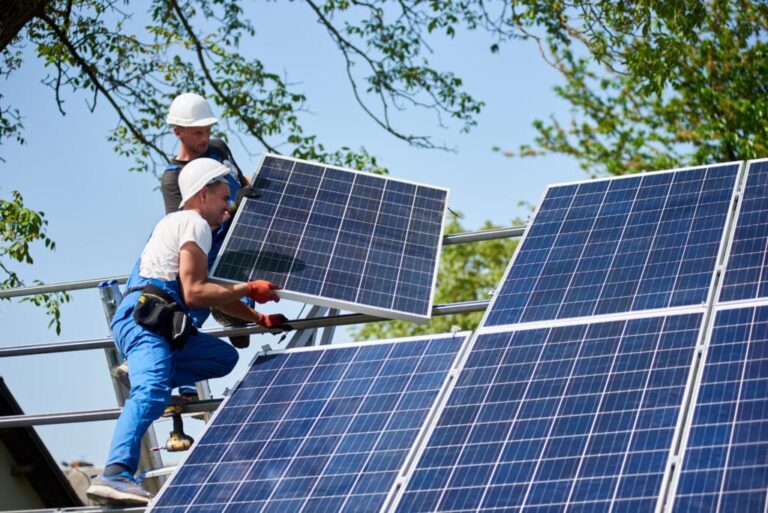
Solar panels are the heart of the system, as they harness the sun’s energy and convert it into electricity. These panels are typically installed on rooftops or in open areas with maximum exposure to sunlight.
Batteries are used to store the electricity generated by the solar panels. They ensure that you have a constant power supply even when the sun is not shining. It’s important to choose the right size and type of batteries for your specific energy needs.
Lastly, an inverter is needed to convert the direct current (DC) electricity stored in the batteries into alternating current (AC) electricity that can be used to power your appliances and devices. This allows you to use the electricity generated by the solar panels just like you would with traditional grid electricity.
By understanding the basics of a Stand-Alone solar power system, you can begin to harness the power of the sun and create a sustainable and self-sufficient lifestyle. In the next sections, we will delve deeper into assessing your energy consumption, choosing the right solar system, positioning your batteries effectively, and other important aspects of designing your own Stand-Alone solar power system. Stay tuned!
Assessing Your Energy Consumption
Assessing your energy consumption is an important step in designing a Stand-Alone solar PV system. By understanding how much energy you use on a daily basis, you can determine the size and capacity of your solar system. Start by making a list of all the appliances and devices you regularly use, along with their power ratings in watts. This will give you an idea of how much electricity you need to generate.
Next, consider your energy usage patterns. Are there specific times of the day when your energy demand is higher? Do you have any high-power appliances or equipment that require a significant amount of energy? These factors will help you determine the peak power demand and the overall energy consumption of your household.
Additionally, take into account any future energy needs or expansions you may have. Are you planning to add more appliances or increase your energy usage in the near future? It’s important to design a solar system that can accommodate your future energy needs as well.
Once you have a clear understanding of your energy consumption, you can accurately size your solar panels and batteries to meet your needs. This will ensure that you have enough power to sustain your off-grid lifestyle without any disruptions. By assessing your energy consumption, you can design a Stand-Alone solar PV system that perfectly aligns with your energy needs and empowers your off-grid lifestyle.
Choosing the Right Small Stand Alone Solar System
When it comes to choosing the right small Stand Alone solar system, there are several factors to consider. First and foremost, you need to determine the energy needs of your off-grid lifestyle. Assessing your energy consumption, as we discussed earlier, will help you understand how much electricity you need to generate.
Once you have a clear understanding of your energy needs, you can start researching different small Stand-Alone solar systems. Look for systems that are specifically designed for off-grid applications and can meet your energy requirements. Consider the capacity of the solar panels and batteries, as well as the efficiency of the system. You want a system that can provide reliable and consistent power for your off-grid lifestyle.
Additionally, consider the durability and lifespan of the system. You want a small Stand-Alone solar system that can withstand the elements and continue to function optimally for years to come. Look for systems with reputable manufacturers and positive customer reviews.
Finally, don’t forget to consider your budget. While a small Stand-Alone solar system can save you money in the long run, there is an upfront cost to consider. Find a system that fits within your budget and offers a good balance between cost and quality.
By choosing the right small Stand-Alone solar system, you can ensure that your off-grid lifestyle is powered by reliable and sustainable energy.
Positioning Your Stand Alone Solar Batteries Effectively
Positioning your Stand Alone solar batteries effectively is crucial for maximizing the efficiency and effectiveness of your off-grid system. The location and orientation of your batteries can greatly impact their performance and lifespan.
Firstly, it’s important to choose a well-ventilated and temperature-controlled area for your battery storage. High temperatures can shorten the lifespan of your batteries, so avoid placing them in direct sunlight or in areas prone to extreme heat. Consider installing ventilation or fans to keep the area cool and prevent overheating.
Secondly, make sure your batteries are positioned in a secure and stable location. This will protect them from any potential damage or accidents. Consider mounting them on a sturdy rack or platform, keeping them away from any potential hazards or obstructions.
In addition, ensure that the distance between your solar panels and batteries is minimized to reduce energy losses. This will help maintain a more efficient transfer of power from the solar panels to the batteries.
Lastly, regularly monitor and maintain your battery storage area. Inspect for any signs of corrosion, leaks, or damage, and take prompt action if any issues are detected. Proper maintenance will extend the lifespan of your batteries and ensure optimal performance.
By positioning your Stand-Alone solar batteries effectively, you can enhance the overall efficiency and reliability of your off-grid system, enabling you to fully embrace a sustainable and self-sufficient lifestyle.
Proper Battery Sizing and Storage of Stand Alone Energy System
Proper battery sizing and storage are crucial elements in designing an efficient Stand Alone solar energy system. When it comes to battery sizing, it’s important to choose batteries that can meet your energy demands while providing reliable power storage. The size of your solar panel array and the amount of energy you consume on a daily basis will determine the capacity and number of batteries you need.
Consider factors such as the depth of discharge (DOD), which indicates how much energy you can safely extract from a battery, and the battery’s cycle life, which indicates how many times it can be charged and discharged before losing efficiency. These factors will help you determine the right battery size and type for your off-grid lifestyle.
Proper storage of your batteries is equally important. Store them in a cool and well-ventilated area to prevent overheating and extend their lifespan. Avoid exposing them to direct sunlight or extreme temperatures, as these conditions can degrade battery performance. Regularly inspect your batteries for any signs of corrosion, leaks, or damage, and promptly address any issues to ensure optimal performance.
By properly sizing and storing your batteries, you can maximize the efficiency and longevity of your Stand-Alone solar energy system, ensuring a reliable and sustainable power source for your off-grid lifestyle.
Maintaining Your Stand Alone PV System
Once your Stand Alone PV system is up and running, it’s important to prioritize regular maintenance to ensure its longevity and optimal performance. By taking a proactive approach to maintenance, you can maximize the efficiency and reliability of your off-grid system.
Regularly inspect your solar panels for any signs of damage, such as cracks or loose connections. Clean them regularly to remove any dirt or debris that may accumulate and affect their efficiency. Additionally, monitor the performance of your panels to ensure they are generating the expected amount of electricity. If you notice any significant decrease in output, it may be a sign of a problem that requires attention.
In addition to the solar panels, it’s crucial to regularly check and maintain your batteries. Inspect them for any signs of corrosion, leaks, or damage, and promptly address any issues that arise. Keep an eye on the battery voltage and charge level to ensure they are operating within the recommended range.
It’s also important to monitor and maintain your inverter. Check for any error codes or unusual behavior and consult the manufacturer’s instructions for troubleshooting. Keep the area around the inverter clean and well-ventilated to prevent overheating.
By regularly maintaining your Stand-Alone PV system, you can identify and address any issues before they become major problems. This will help extend the lifespan of your system and ensure reliable and sustainable power for your off-grid lifestyle. Don’t overlook the importance of maintenance – it’s a key factor in maximizing the efficiency and effectiveness of your Stand-Alone PV system.
Comprehending the Costs and Benefits of Stand Alone Battery
One of the key components of a Stand Alone battery is the battery. Understanding the costs and benefits associated with Stand-Alone batteries is crucial when designing your off-grid energy system.
When it comes to costs, Stand-Alone batteries can be a significant investment. The upfront cost of purchasing and installing batteries can be higher compared to traditional grid-tied systems. However, it’s important to consider the long-term benefits and potential savings. By investing in batteries, you can store excess energy generated by your solar panels during the day and use it during the night or on cloudy days. This allows you to have a continuous power supply without relying on the grid. Over time, the savings on your electricity bill can offset the initial investment.
In addition to cost savings, Stand-Alone batteries offer numerous benefits. They provide independence and reliability, allowing you to have power even during grid outages or in remote locations. With a Stand-Alone battery system, you have control over your energy production and consumption, reducing your dependence on traditional energy sources. Furthermore, by storing excess energy and using it during times of high demand, you can reduce strain on the grid and contribute to a more sustainable energy future.
When considering the costs and benefits of Stand-Alone batteries, it’s important to evaluate your specific energy needs and goals. By understanding the potential savings and advantages, you can make an informed decision that aligns with your off-grid lifestyle.
Maximizing Efficiency with Stand Alone Battery Systems
Maximizing efficiency with Stand Alone battery systems is crucial for getting the most out of your off-grid lifestyle. With proper planning and implementation, you can optimize the performance and longevity of your batteries, ensuring reliable and sustainable power.
One key factor in maximizing efficiency is properly sizing your battery system. By choosing the right capacity and type of batteries for your energy needs, you can avoid overcharging or undercharging, which can lead to decreased efficiency and reduced battery lifespan. Additionally, consider the depth of discharge (DOD) and cycle life of the batteries, as these factors play a role in how much energy can be safely extracted and how many charge and discharge cycles the batteries can withstand.
 Another important aspect is implementing a smart charging and discharging system. By using charge controllers and inverters with advanced monitoring and control capabilities, you can optimize the charging and discharging process, preventing energy losses and maximizing the utilization of stored power.
Proper maintenance is also essential in maximizing efficiency. Regularly inspect your batteries for any signs of damage or deterioration and address any issues promptly. Keep the battery storage area clean, well-ventilated, and at an optimal temperature to prevent overheating and extend battery life.
By focusing on proper sizing, smart charging and discharging, and regular maintenance, you can maximize the efficiency of your Stand-Alone battery system, allowing you to fully embrace the benefits of off-grid living.
FAQs
1. How much does it cost to install a Stand-Alone solar PV system?
The cost of installing a Stand-Alone solar PV system can vary depending on factors such as the size of the system, the number of solar panels and batteries required, and any additional equipment or installation costs. On average, you can expect to pay anywhere from $10,000 to $30,000 for a complete Stand-Alone solar PV system. However, it’s important to consider the long-term savings and benefits that come with generating your own renewable energy. Over time, the savings on your electricity bill can offset the initial investment.
2. How long do the batteries in a Stand-Alone solar PV system last?
The lifespan of the batteries in a Stand-Alone solar PV system can vary depending on factors such as the type of batteries, the depth of discharge, and how well they are maintained. On average, you can expect the batteries to last anywhere from 5 to 15 years. It’s important to regularly inspect and maintain your batteries to ensure optimal performance and longevity.
3. Can a Stand-Alone solar PV system power my entire home?
Yes, a properly designed and sized Stand-Alone solar PV system can power your entire home. By assessing your energy consumption and choosing the right size and capacity of solar panels and batteries, you can generate enough electricity to meet your household’s energy needs. It’s important to consider factors such as peak power demand and any future expansions or additions to your energy usage.
Conclusion
In this guide, we have explored the world of Stand-Alone solar PV systems and how they can empower your off-grid lifestyle. We began by understanding the basics of a Stand-Alone solar power system, including the importance of solar panels, batteries, and inverters. We then delved into assessing your energy consumption, choosing the right solar system, and positioning your batteries effectively. We also discussed the proper battery sizing and storage, as well as the importance of maintaining your Stand-alone systems.