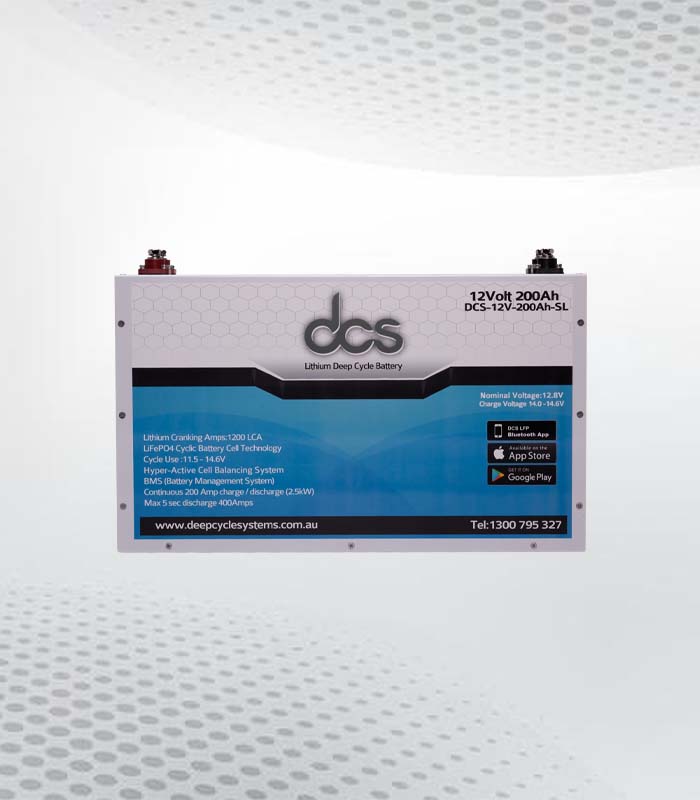
When it comes to powering your solar system, choosing the right deep cycle battery is crucial for ensuring optimal performance and longevity. With so many options on the market, it can be overwhelming to determine which deep cycle battery is best suited for your solar setup. This blog post will explore the best practices for selecting the deep cycle battery systems for solar, providing you with the information you need to make an informed decision.
Understanding Deep Cycle Batteries and Their Importance
Deep cycle batteries stand at the heart of solar power systems, offering a solution to the critical need for reliable energy storage. These batteries are meticulously engineered to deliver a consistent power supply over prolonged periods, distinguishing them from the typical car batteries that are tailored for brief, high-power discharges.
The ability of deep cycle batteries to endure numerous cycles of discharge and recharge without significant degradation in capacity renders them indispensable for solar installations. This resilience against wear makes them a cornerstone for systems reliant on the sustainable harnessing of solar energy.
Their role extends beyond merely storing energy; they ensure that power is available when sunlight is not, facilitating a seamless supply to meet demand. This capability is especially crucial in off-grid setups and for users aiming for energy independence or reduced reliance on the utility grid. The design and technology behind deep cycle batteries have evolved, catering to the nuanced requirements of solar power storage.
By providing a dependable source of power, these batteries not only enhance the efficiency of solar systems but also contribute to the viability and sustainability of solar energy as a significant component of the global energy mix.
Determining the Deep Cycle Solar Battery for Your Setup
Selecting the appropriate deep cycle solar battery for your system necessitates a thorough evaluation of your energy needs and an understanding of how these needs translate into battery specifications.
Begin by calculating the total energy consumption of your household or installation on a daily basis. This calculation should factor in all electrical appliances and devices that will draw power from your solar system. Following this, consider the autonomy time – the duration for which the battery should supply power without recharging. This is particularly important in areas prone to prolonged periods of overcast weather or for off-grid systems requiring a dependable power source regardless of sunlight availability.
The physical dimensions and weight of the battery also play a significant role, especially in scenarios where space is at a premium or where the installation site imposes limitations on the battery size or weight. Furthermore, the choice between different types of deep cycle batteries – such as lead-acid, lithium-ion, or gel – will be influenced by factors including cycle life expectancy, maintenance requirements, temperature resilience, and budgetary constraints.
Aligning the battery choice with your solar system’s energy production and consumption patterns ensures not only the efficiency but also the sustainability of your solar power solution. This alignment is key to achieving a balanced and optimised system that meets your energy requirements while maximising the return on investment in your solar setup.
The Various Types of Deep Cycle Batteries
Navigating the landscape of deep cycle batteries reveals a diversity of types, each characterised by distinct features that cater to various solar energy storage requirements. The predominant variants in the market include lead-acid, lithium-ion, and gel batteries, among others.
Lead-acid batteries, heralded for their cost-effectiveness, stand as a traditional choice. However, they necessitate routine maintenance and typically exhibit a shorter service life relative to their counterparts. Lithium-ion batteries, albeit with a higher initial cost, offer a plethora of advantages including a superior lifespan, minimal maintenance, and enhanced energy density, which translates to a lighter and more compact solution.
Gel batteries, a subtype of lead-acid batteries that utilise gel electrolyte technology, provide a middle ground with benefits such as reduced spill risk and slightly improved cycle life over conventional lead-acid batteries, albeit at a higher cost than the standard lead-acid options.
Each battery type embodies a unique set of attributes regarding efficiency, durability, and operational demands, making the selection process critical to aligning with specific solar system requirements.
Factors such as the intended application, budgetary constraints, and environmental conditions play a pivotal role in guiding this choice. As advancements in battery technology continue to evolve, staying abreast of the latest developments is essential for making an informed decision that optimises both performance and value in solar energy storage systems.
Charging and Maintenance Tips for Deep Cycle Battery Solar
Maintaining the health and efficiency of your deep cycle battery solar requires adherence to specific charging and care practices. It is imperative to establish a regular charging schedule to avoid the pitfalls of both overcharging and undercharging, which can significantly impact the battery’s lifespan and performance. Employing a smart charger that automatically adjusts the charge according to the battery’s needs can mitigate these risks, ensuring optimal charging without manual monitoring.
Periodic inspections are crucial for early detection of potential issues such as corrosion or leakage. The terminals and connections should be checked for cleanliness and tightness, as poor connections can lead to inefficient charging and reduced battery performance. If any corrosion is observed, gently clean the affected areas with a solution of bicarbonate of soda and water, taking care to properly rinse and dry afterwards.
Proper ventilation is another important aspect of deep cycle battery maintenance. Batteries, especially when charging, can produce gases; thus, ensuring they are housed in a well-ventilated area is essential for safety and prolonging their service life.
Additionally, understanding the battery’s specific temperature tolerances is vital, as extreme temperatures can negatively affect charging efficiency and overall battery health. Implementing measures to protect your battery from extreme heat or cold can help maintain its efficacy and longevity.
By embracing these maintenance and charging guidelines, you can substantially enhance the durability and reliability of your deep cycle battery for solar, contributing to the seamless operation of your solar power system.
Optimising the Performance of Best Deep Cycle Battery for Solar
To optimise the performance of the best deep cycle battery for solar array, a holistic approach towards system integration and management is paramount. This involves meticulous pairing of the battery with compatible solar panels and inverters, to establish a harmonious relationship between generation, storage, and consumption of energy.
Employing charge controllers that accurately match the charging profile of your battery can significantly enhance its efficiency, as these devices regulate the flow of energy and prevent potential overcharging scenarios.
Incorporating safety mechanisms is another critical measure; thermal management systems can safeguard the battery against the risks of overheating, thereby preserving its integrity and prolonging its operational lifespan. It is equally important to ensure that the battery’s capacity aligns with your energy usage patterns. Overloading a battery regularly can lead to premature wear, whereas underutilisation may result in sulfation for lead-acid types, adversely affecting their performance.
The utilisation of battery monitoring systems offers real-time insights into the battery’s health and performance metrics, enabling proactive maintenance and adjustments to optimise efficiency. Such systems can alert you to declining performance trends before they manifest as significant issues, allowing for timely interventions.
Ultimately, the synergy between careful selection, strategic system design, and diligent maintenance practices stands as the foundation for maximising the efficacy and longevity of your deep cycle battery in a solar power setup.
The Role of Deep Cycle Batteries in Off-Grid Solar Systems
In off-grid solar arrangements, deep cycle batteries serve as the linchpin, ensuring continuity of power supply even when daylight wanes or is absent. These systems rely entirely on the stored energy within these batteries to maintain functionality across all connected devices and appliances.
The pivotal role of deep cycle batteries in such setups cannot be overstated; they act as reservoirs, capturing surplus solar energy during peak sunlight hours for use during periods of low light or at night. This characteristic is particularly vital in remote locations where access to the main electricity grid is not feasible.
By enabling a consistent and reliable energy supply, deep cycle batteries empower off-grid solar systems to deliver uninterrupted power, fostering independence from traditional energy sources and enhancing the self-sufficiency of the system’s users. Their capacity to repeatedly charge and discharge while maintaining efficiency makes them an indispensable component in the architecture of off-grid solar power solutions.
Cost Considerations and Value for Money
In the realm of solar power systems, the initial financial outlay for a deep cycle battery can be a significant factor in the decision-making process. However, it’s imperative to delve beyond the surface and evaluate the long-term economic implications of your choice.
Opting for a more affordable option may appear financially prudent at first glance but could lead to escalated costs over time due to inferior performance, shorter lifespan, and increased maintenance demands. On the other hand, premium deep cycle batteries, though commanding a higher price tag upfront, are engineered for endurance and minimal upkeep, which translates to cost savings in the longer term.
These batteries often feature advanced technologies that enhance efficiency and longevity, ensuring a more reliable energy storage solution for your solar setup. It is, therefore, essential to assess not just the purchase price but also the projected operational lifespan and maintenance requirements of the battery.
A comprehensive cost-benefit analysis will reveal that investing in a superior quality deep cycle battery may yield substantial financial advantages, offsetting the initial expenditure through reduced replacement and repair costs. This strategic approach to selecting a battery underscores the importance of considering the total cost of ownership, rather than merely the acquisition cost, to secure a financially sound investment in your solar energy system.
FAQs
Which deep cycle battery is the most suitable for solar systems?
Identifying the most suitable deep cycle battery for your solar setup hinges on an array of factors, including your system’s specific energy requirements, space limitations, and environmental conditions. It’s essential to evaluate the battery’s capacity, expected lifespan, and maintenance needs, along with how well it integrates with your existing solar array.
What is the expected longevity of deep cycle batteries within solar systems?
The longevity of a deep cycle battery in a solar application is influenced by the battery type, usage patterns, and adherence to proper maintenance protocols. Generally, a meticulously maintained deep cycle battery can serve effectively for a span ranging from 5 to 15 years. Factors such as regular charging to prevent deep discharges and ensuring the battery operates within its optimal temperature range are crucial for extending its lifespan.
How can I ascertain when to replace my deep cycle solar battery?
Determining the appropriate time to replace your deep cycle battery involves monitoring its performance and condition. Indications that a replacement may be imminent include a notable decline in energy storage capacity, frequent issues requiring maintenance, and physical signs of damage or wear. Proactive observation of these signs allows for timely replacement, ensuring your solar system maintains optimal performance.
Conclusion
Selecting an optimal deep cycle battery for your solar array stands as a pivotal decision that significantly influences the efficiency and durability of your energy system. This journey, from understanding the critical role of deep cycle batteries in solar setups to discerning the nuances among various types, equips you with the knowledge required for an informed choice.
| Other Good Articles to Read |
| Blogs-Nation |
| Blogs-Peoples |
| Bryan Smith Blogs |
| Intellect Blogs |
| The Fault In Our Blogs |
| Blogs Eu |
| Oz Forums |
| Recruitment Blogs |
| Zet Blogs |
| Id Blogs |
| Blogs Tudiolegale |
| Blogs Map |
| Related Business Listings |
| Directory Submissions |
| Regional Directory |