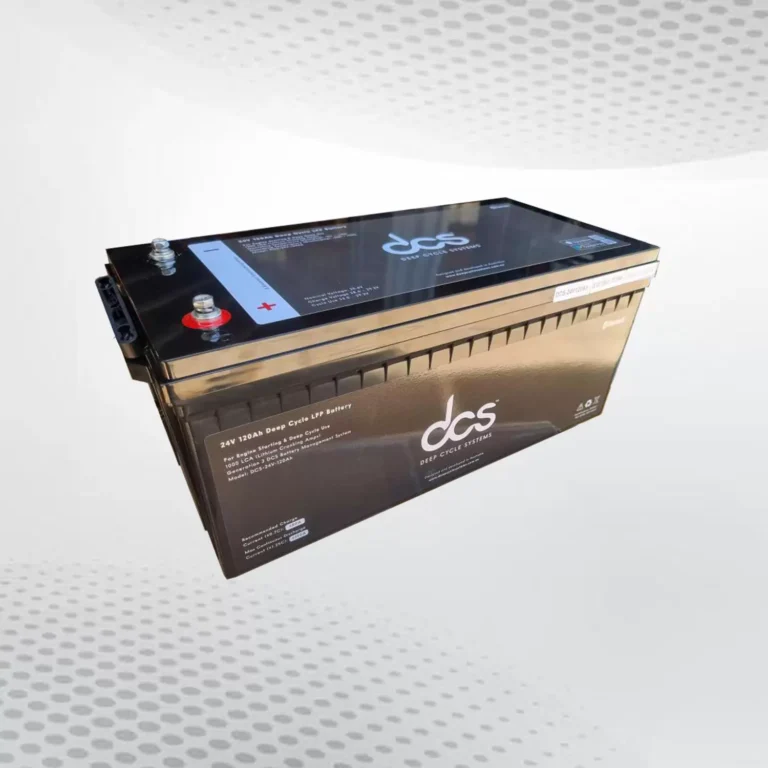
In today’s fast-paced world, the need for reliable and efficient energy storage solutions has never been more critical. Among many options, one type that stands out for its versatility and performance is the 24v 100ah battery. Whether you’re powering a marine vessel, running off-grid solar systems, or ensuring your recreational vehicle has the energy it needs, understanding the specifications and benefits of this battery can be key to making an informed choice. This comprehensive guide delves into the world of 24volt 100ah batteries, shedding light on their advantages, maintenance, environmental impact, and more.
Understanding Battery Specifications
Deciphering battery specifications is pivotal for selecting the optimal energy storage solution. The ’24v’ signifies the battery’s voltage, indicating its electric potential, whilst ‘100ah’ stands for ampere-hour rating, reflecting the battery’s storage capacity. A 24volt-100ah battery can output 100 amperes for one hour at 24 volts. This numerical representation of capacity and potential difference is key to understanding the battery’s suitability for various applications, ensuring that it meets your equipment’s or system’s specific energy demands.
The Versatility of 24volt 100ah Batteries
The wide-ranging applicability of the 24volt-100ah battery is one of its standout features. This battery’s considerable storage capacity and voltage level render it ideal for diverse uses, including but not limited to powering solar energy systems, facilitating the operations of electric vehicles, supporting marine pursuits, and acting as a dependable backup power source.
Its ability to consistently deliver high power whilst maintaining a stable voltage output underscores its adaptability, making it a favoured option across various sectors. This versatility highlights the battery’s utility in multiple scenarios and underscores its role in efficiently facilitating a broad spectrum of energy requirements.
Advantages of Upgrading to 24v 100-ah
Opting for a 24volt 100-ah battery brings significant benefits, paramount being enhanced longevity and superior performance when under stress. Such batteries excel in demanding environments, ensuring users benefit from an unwavering and reliable power supply. Additionally, their increased capacity facilitates extended usage durations without the frequent need for recharges, thus providing both convenience and operational efficiency. This makes them highly suitable for various applications, from powering intricate marine systems to sustaining off-grid energy setups, offering durability and dependability.
The Rise of Lithium in Marine Batteries
Lithium-based batteries have revolutionised marine applications, offering a leap in performance over traditional options. Their popularity is driven by attributes such as a lighter weight, which contributes to greater fuel efficiency for vessels, and higher efficiency that ensures a consistent power supply even under demanding conditions. With a lifecycle that far surpasses lead-acid types, these batteries present a sustainable option, reducing the frequency of replacements. Their ability to maintain a high level of performance throughout their life makes them a superior choice for boaters in search of a dependable and enduring power solution.
Deep Cycle Batteries for Reliable Energy Storage
Deep cycle batteries stand out for their resilience, designed to endure frequent discharging and recharging cycles. A 24volt 100ah variant embodies the perfect equilibrium between size and energy storage, allowing it to sustain power over protracted periods. This makes it an ideal candidate for systems dependent on a consistent energy flow, such as renewable energy setups and recreational vehicles. The inherent durability of these batteries underpins their capacity to provide a steady and reliable power source, catering to the needs of off-grid installations and other applications reliant on sustained energy delivery.
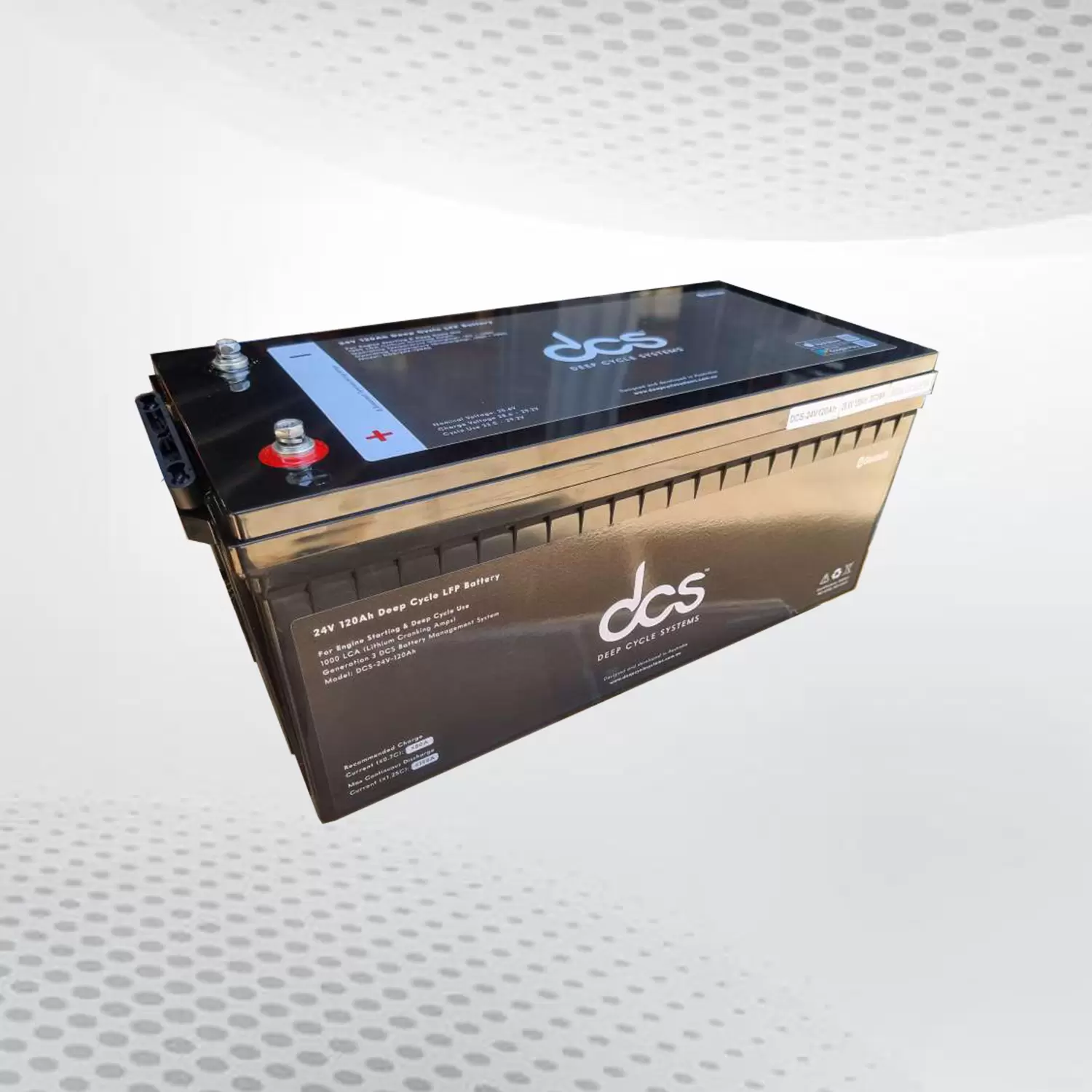 Comparing 24v 120ah Battery Types
Storage capacity is the key factor to consider when considering a 24v 100-ah and a 120ah battery. A 24v 120ah model, which offers 20% more capacity, provides a longer usage time between charges, which could be crucial for energy-intensive applications. However, this increased capacity often results in the battery being bulkier and heavier, which may present installation challenges in space-constrained environments.
Additionally, the upfront cost for a 120ah variant is typically higher, reflecting its enhanced storage capability. Therefore, the decision should be based on evaluating the balance between the need for extended power provision, physical constraints, and budgetary allowances.
24volt 100ah Battery Maintenance and Care
Maintaining a 24volt 100-ah battery properly ensures its longevity and optimal performance. Regularly check the terminals for corrosion and clean them as necessary, utilising a solution of bicarbonate of soda and water if needed. It’s important to keep the battery in a cool, dry place to prevent overheating and to avoid under or overcharging, which can significantly reduce its life span.
For lithium models, ensure the battery management system (BMS) functions correctly to balance the cells and protect against overcharging and deep discharge. Inspect the battery casing for any signs of damage or wear, and always use a charger compatible with the battery’s chemistry and capacity. Adhering to these care practices will help maximise the efficiency and durability of your 24volt 100ah battery.
The Environmental Impact of Battery Choices
The process of manufacturing and disposing of batteries poses notable environmental challenges. In particular, lithium batteries, whilst offering efficiency gains, are scrutinised for the impact of their lifecycle from mining to end-of-life recycling. Opting for batteries with extended lifespans and engaging in conscientious recycling practices are vital to mitigating these environmental concerns. By prioritising products designed for durability and supporting recycling initiatives, users can play a part in reducing the ecological footprint associated with battery use, contributing towards a more sustainable approach in energy storage technologies.
Installation Best Practices
When installing a 24volt-100ah battery, prioritise a secure, ventilated area to prevent overheating and allow for safe gas dissipation. Ensure the mounting surface is stable and level to minimise movement that could disrupt connections or damage the battery. Following the manufacturer’s guidance on terminal connections is critical to avoid reverse polarity, which can cause severe damage to both the battery and the connected equipment.
Use insulated tools to prevent accidental short circuits during installation. Additionally, connect systems requiring multiple batteries correctly in series or parallel configurations per the required voltage and capacity. Finally, verify all connections are tight and secure to prevent energy loss and potential hazards.
Cost Considerations of 100ah 24v
When evaluating the expenditure on 100ah 24v battery, particularly those of the lithium variety, the upfront outlay might appear steep compared to conventional counterparts. However, a broader perspective on the total cost of ownership reveals the inherent value. Factors such as the extended service life, minimal maintenance needs, and enhanced efficiency of these batteries contribute to lower long-term expenses.
They negate the necessity for frequent replacements and reduce operational downtimes, rendering them a cost-effective choice in the grand scheme. Thus, it’s prudent for prospective buyers to factor in these elements when deliberating on their investment, ensuring a decision that aligns with both financial and functional considerations.
Safety Tips for Handling Batteries
When managing batteries, prioritising safety is essential. Always wear the appropriate protective equipment, such as gloves and goggles, to shield yourself from potential chemical spills or explosions. Ensure you’re familiar with the correct handling procedures to avoid causing short circuits, which can lead to fires or damage to the battery. It’s crucial to adhere strictly to the guidelines provided by the manufacturer for both charging and storing the batteries. For those using lithium batteries, particular attention should be paid to avoid exposing them to extreme temperatures and physical impacts, as these factors can compromise their integrity and safety.
The Future of 24volt 100ah Lithium Marine Battery Technology
Emerging 24volt 100ah Lithium Marine Battery technology trends suggest a shift towards even higher efficiency and sustainability. Innovations are anticipated in developing more advanced battery management systems that enhance performance whilst ensuring safety. Material science advancements are expected to introduce more durable and environmentally friendly components, reducing the ecological impact of batteries.
Furthermore, the sector will likely benefit from improved recycling techniques, bolstering the sustainability credentials of lithium batteries. These advancements promise to elevate the utility and appeal of 24volt 100ah lithium marine batteries, cementing their position as a cornerstone of modern marine energy solutions.
Choosing the Right Charger for a 24volt 100ah Deep Cycle Battery
Selecting an appropriate charger for a 24volt 100ah deep cycle battery is paramount in ensuring the longevity and efficient operation of your battery. Here are critical factors to consider:
Compatibility
Ensure the charger is specifically designed for deep-cycle batteries. Chargers compatible with the battery’s chemistry (e.g., lithium-ion, AGM, or lead-acid) will optimise charging cycles and extend battery life.
Charging Rate
The ideal charging rate (expressed in amperes) should complement the battery’s capacity without overcharging it. A rule of thumb is to choose a charger that can deliver about 10% of the battery’s amp-hour (Ah) rating. For a 100Ah battery, a 10A charger is typically recommended.
Voltage Regulation
Opt for a charger that automatically adjusts the voltage to suit the battery’s state of charge. This feature prevents overvoltage that could damage the battery over time.
Temperature Compensation
Temperature significantly affects battery charging. A charger with temperature compensation can adjust the charging rate based on ambient temperature, ensuring the battery is neither undercharged in cold conditions nor overcharged in hot environments.
Multi-stage Charging
A multi-stage charger, which includes stages such as bulk, absorption, and float, is essential. This ensures the battery is charged efficiently and maintained at its peak without the risk of overcharging.
Safety Features
Look for chargers with safety features such as overcharge protection, short-circuit protection, and spark-proof connectors. These features safeguard both the battery and the user during charging.
Portability and Ease of Use
Consider the charger’s size and weight if portability is a requirement. Additionally, user-friendly interfaces and clear indicator lights can make monitoring the charging process straightforward.
By adhering to these guidelines, you can choose a charger that suits your 24volt-100ah deep cycle battery and contributes to its safe, efficient, and prolonged use.
Troubleshooting Common Battery Issues
Encountering problems such as diminished capacity, inability to maintain a charge, or experiencing voltage drops can often be rectified through diligent maintenance and correct charging techniques. Early detection through regular inspection can prevent minor issues from escalating. For example, ensuring the battery is charged within its recommended parameters can significantly reduce the risk of capacity loss.
Additionally, checking for and addressing any potential connection issues or evaluating the battery management system (BMS) for faults could prove beneficial if a battery persistently fails to hold a charge. Voltage fluctuations indicate the need for cell balancing or suggest an underlying issue with the battery’s internal structure, necessitating a more detailed examination. Adopting these proactive troubleshooting steps can help in mitigating common battery-related challenges efficiently.
FAQ’s
1. What distinguishes a 24volt 100-ah Battery from other types?
A 24volt 100-ah Battery offers a unique combination of voltage and capacity, making it suitable for high-demand marine use, electric vehicles, and renewable energy systems. Its capacity allows it to deliver 100 amperes of current for one hour at 24 volts.
2. Can I use a 24volt 100ah battery for my solar power system?
A 24volt 100ah battery is well-suited for solar power systems due to its deep cycle nature and ability to handle repeated charging and discharging cycles, providing a reliable energy storage solution for off-grid setups.
3. How long does a 24volt 100-ah Battery last?
The lifespan of a 24volt 100-ah Battery varies depending on its usage, maintenance, and type (e.g., lithium-ion versus lead-acid). Properly maintained lithium-ion batteries can last several years, often exceeding the performance and lifespan of traditional lead-acid batteries.
4. Is it environmentally friendly to use a 24volt 100-ah Battery?
While no battery is entirely free of environmental impact, opting for lithium-ion variants can be more sustainable due to their longer lifespan, higher efficiency, and potential for recycling compared to lead-acid types.
5. What should I consider when buying a charger for a 24volt 100-ah Battery?
Choose a charger that matches the battery’s chemistry and specifications, with features that prevent overcharging and support temperature compensation, ensuring safe and efficient charging that prolongs the battery’s service life.
Conclusion: Making an Informed Choice
In navigating the plethora of battery options, pinpointing the perfect match for your needs pivots on a thorough grasp of not only the specific requirements of your application but also the distinct attributes and performance metrics of various battery models. You’re well-placed to make a reasonable selection and equipped with insights into the benefits and potential drawbacks, alongside a sound knowledge of care, environmental implications, and safety protocols.
| Other Good Articles to Read |
| Blogs Rain |
| Cme Blog Spot |
| Garcias Blogs |
| Yyc Blogs |
| Blogs-Hunt |
| Impact-Blog |
| Smarty Blogs |
| Ed Blog |
| Mo Blogs |
| Blogs Em |
| Blogs T |
| Related Business Listings |
| Contact Directory |
| Local Business Profiles |