An energy recovery heat exchanger is vital in modern heating, ventilation, and air conditioning systems. These devices play a crucial role in improving energy efficiency and reducing costs associated with heating and cooling. This blog post will delve into the various aspects of recovery heat exchangers, from their mechanics to their environmental impact.
Understanding Recovery heat exchangers
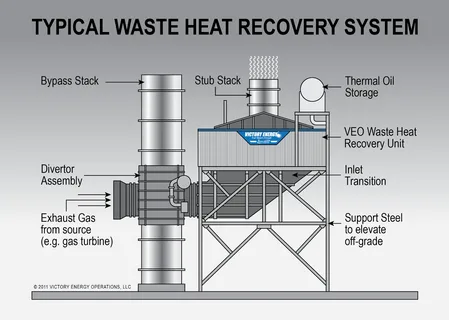
Recovery heat exchangers operate on a principle that facilitates heat transfer from one medium to another without allowing the two fluids to mix. This ingenious process capitalizes on the thermal energy from exhaust gases or air, effectively repurposing it to pre-heat or pre-cool incoming fresh air.
Positioned typically within heating, ventilation, and air conditioning (HVAC) systems, these exchangers significantly bolster the efficiency of climate control mechanisms. By harnessing the heat from outgoing air, the burden on the heating and cooling apparatus is markedly reduced, leading to substantial energy savings.
The technology behind recovery heat exchangers encompasses a range of designs, including plate exchangers and rotary wheels, each tailored to specific applications and efficiency requirements. Crucially, this heat transfer conserves energy and plays a pivotal role in mitigating the environmental footprint of residential and commercial buildings by reducing the demand for conventional heating and cooling sources.
 The Significance of Home Air Heat Exchangers
Home air heat exchanger is pivotal in the quest for energy-efficient living environments. These systems facilitate the transfer of heat between expelled indoor air and incoming outdoor air, ensuring that homes maintain a comfortable atmosphere without excessive energy use.
By capitalizing on the heat typically lost through ventilation, these exchangers significantly diminish the energy demands placed on heating and cooling systems. This process not only aids in maintaining optimal indoor air quality by introducing fresh air into the living space but also plays a critical role in reducing the overall energy consumption of a household.
Furthermore, integrating air heat exchangers can contribute to a marked decrease in heating and cooling costs, presenting a viable energy conservation solution in residential settings.
The Mechanics of Recovery Air Exchangers
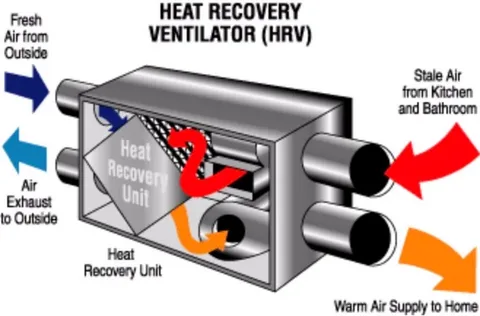
Recovery air exchangers operate through a heat exchanger core that effectively transfers heat between two separate air flows. The core, a crucial system element, captures heat from the expelled indoor air and uses it to warm the cooler, incoming outdoor air. This ingenious mechanism ensures that the warmth, which would otherwise be lost to the atmosphere, is recycled within the building’s environment.
It allows the warmer indoor air to pass over one side of the heat exchanger core while cooler, fresher air from outside flows over the opposite side. The two streams of air never mix, preserving indoor air quality.
This process increases the incoming air temperature before entering the living space, enhancing the heating system’s overall energy efficiency and reducing energy expenditure. Implementing recovery air exchangers is a testament to the ingenious use of simple thermodynamic principles to achieve significant energy savings and sustainability in building design.
Heat Recovery Air Exchanger: A Breath Of Fresh Air
Heat recovery air exchanger is revolutionary for ventilating residential and commercial spaces. By efficiently transferring heat from outgoing stale air to incoming fresh air, these systems ensure a constant supply of clean air without sacrificing thermal comfort or energy efficiency.
Enhanced Indoor Air Quality
Air heat exchangers significantly improve indoor air quality by removing pollutants and excessive moisture. This is particularly beneficial in tightly sealed buildings where air circulation is limited.
Energy Savings
By reclaiming heat from extracted air, these systems reduce the energy required to heat new incoming air, leading to noticeable reductions in energy bills.
Reduced Environmental Impact
The energy efficiency of air heat exchangers translates into lower carbon emissions, aligning with the growing demand for sustainable building practices.
Optimized Comfort
These systems ensure that indoor temperatures remain stable, avoiding the discomfort of cold drafts associated with traditional ventilation methods.
Compatibility with Existing HVAC Systems
Air heat exchangers can be integrated into existing HVAC systems, facilitating retrofit projects and enhancing overall system performance.
Humidity Control
By managing air exchange, these units help maintain optimal humidity levels, contributing to a healthier and more comfortable indoor environment.
Exploring Heat Exchanger Technology
Heat exchanger technology epitomizes an innovative method to enhance energy utilization within various residential or commercial settings. This technique involves the adept transfer of warmth from stale indoor air to the cooler, fresh air being drawn into a building.
Central to this process is the heat exchanger core, a sophisticated component that facilitates the efficient swap of thermal energy. Such a mechanism ensures that the energy, which could otherwise be lost, is harnessed to temper incoming air, thereby augmenting the overall energy efficiency of a heating, ventilation, and air conditioning system.
The application of heat exchanger technology is instrumental in curtailing heating expenses and contributing to a reduction in energy consumption. This advancement promises a sustainable future, aligning with the burgeoning demand for eco-friendly and cost-effective energy solutions.
Fresh Air Heat Exchanger In Commercial Settings
In commercial environments, fresh air heat exchanger has emerged as a cornerstone for achieving heightened energy efficiency and operational cost reduction. These systems are adept at maintaining superior indoor air quality, a crucial factor in commercial spaces where airflow and occupant comfort are paramount.
Implementing such technology in office buildings, retail spaces, and industrial facilities underscores its versatility and capacity to support diverse ventilation needs. Recovery heat exchangers in these settings adeptly manage the transfer of heat between outgoing and incoming air streams, ensuring that the heating and cooling demands are met with reduced energy consumption.
This contributes to a more sustainable operation by lowering carbon emissions, translating into significant financial savings over time. Adopting these systems within the commercial sector exemplifies a commitment to environmental stewardship while simultaneously addressing the economic aspects of energy management.
Environmental Impact of Using Energy Recovery Systems
The utilization of energy recovery systems has a profound impact on the environment, characterized by the following key areas:
Reduction in Fossil Fuel Consumption
By maximizing the efficiency of heating and cooling systems, less energy is required from fossil fuel-based sources, leading to a significant decrease in the consumption of these non-renewable resources.
Lower Greenhouse Gas Emissions
As energy recovery systems reduce the need for energy generated from fossil fuels, greenhouse gas emissions, such as carbon dioxide and methane, are considerably lessened, contributing to the mitigation of global warming.
Decrease in Air Pollution
With fewer fossil fuels burned, pollutants like sulphur dioxide and nitrogen oxides, responsible for smog and acid rain, are also reduced, resulting in cleaner air quality.
Energy Conservation
These systems exemplify the principle of energy conservation, ensuring that less energy is wasted and more is reused, aligning with sustainable energy practices.
Reduced Energy Dependence
By improving energy efficiency, there is a lesser dependency on external energy sources, which enhances energy security and reduces susceptibility to energy price fluctuations.
Promotion of Sustainable Development
The adoption of energy recovery systems supports sustainable development goals by balancing the need for economic growth with environmental stewardship and social well-being, paving the way for a more sustainable future.
Installation Considerations for Heat Exchangers
When embarking on installing heat exchangers, several crucial factors must be considered to ensure optimal functionality and efficiency:
- The size of the system needs to be appropriately matched to the requirements of the space it serves. An undersized or oversized unit can lead to inefficiencies and increased operational costs.
- The location for installation demands careful consideration to facilitate maximum heat transfer and ease of maintenance. Accessibility to regular checks and cleaning is essential to maintaining the unit’s efficacy over time.
- Compatibility with existing heating, ventilation, and air conditioning (HVAC) systems is paramount.
- A thorough evaluation of the current infrastructure will identify any adjustments or upgrades necessary to accommodate the new heat exchanger.
- Adherence to these considerations plays a pivotal role in successfully integrating heat exchangers, paving the way for enhanced energy conservation and performance within the HVAC system.
Maintenance And Longevity Of Heat Exchanger Vent
Ensuring heat exchanger vent durability and operational efficiency hinges on the commitment to regular maintenance routines. Such procedures encompass the meticulous cleaning of the heat exchanger core to remove any debris or buildup that may impede performance. Inspections are crucial in identifying potential issues early on, preventing costly repairs or replacements.
Replacing components showing signs of wear is also vital to maintain the system’s functionality. Adhering to these maintenance practices not only prolongs the service life of heat exchangers but also sustains their efficacy in energy conservation and providing optimal indoor air quality. Therefore, Regular upkeep is indispensable for harnessing heat exchangers’ full potential in terms of energy efficiency and operational reliability.
The Cost-Benefit Analysis of Installing an Energy Recovery System
Undertaking a cost-benefit analysis for installing an energy recovery system necessitates a comprehensive assessment of the immediate and long-term financial implications. Initial expenditures are a consideration; these include the system’s purchase price, installation charges, and any potential modifications to existing HVAC infrastructure.
However, the flip side presents a promising scenario with significant energy savings. These savings stem from the system’s efficiency in reducing the need for additional heating or cooling, thereby diminishing energy consumption and utility bills. Furthermore, potential government incentives for adopting green technologies can further offset initial costs.
Over time, reducing operational expenses contributes to a financial advantage that surpasses the upfront investment. In essence, the value of installing an energy recovery system lies in its contribution to environmental stewardship and its ability to provide tangible, long-term economic benefits.
Conclusion
Home air heat exchanger stand at the forefront of enhancing the efficiency of heating, ventilation, and air conditioning systems. These devices are pivotal in maintaining optimal indoor air quality and leveraging energy conservation. The technology underpinning these systems facilitates the transfer of heat between incoming and outgoing air streams, thus reducing the reliance on conventional energy sources and minimizing environmental impact. Their integration within HVAC systems underscores a commitment to sustainable living and operational cost reduction, highlighting their significance in contemporary energy management strategies.
FAQs
Can recovery heat exchangers be used in any climate?
Yes, recovery heat exchangers are versatile and can be adapted to various climates, from cold to hot environments. Their functionality improves HVAC system efficiency by maximizing indoor and outdoor air temperatures.
How Long Do Home Air Heat Exchanger Typically Last?
With proper maintenance, home air heat exchanger can have a long operational lifespan, often exceeding 15 years. Regular cleaning and inspections are crucial to ensuring their longevity and performance.
Are there significant differences between residential and commercial energy recovery systems?
While the fundamental technology is the same, commercial systems are usually larger and designed for higher capacities to accommodate commercial buildings’ more significant airflow requirements. Residential systems, on the other hand, are tailored to the specific needs of individual homes, focusing on comfort and energy efficiency on a smaller scale.
| Other Good Articles to Read |
| Skank Blogs |
| Unreal Blogs |
| Tba Blogs |
| All City Forums |
| Dany Blogs |
| Refuge Blogs |
| The Music Blogs |
| Key Forums |
| The Big Blog Theory |
| Joe Blogs |
| Blogs 4 Me |
| Blogs Emon |
| Related Business Listings |
| Contact Directory |
| Local Business Profiles |