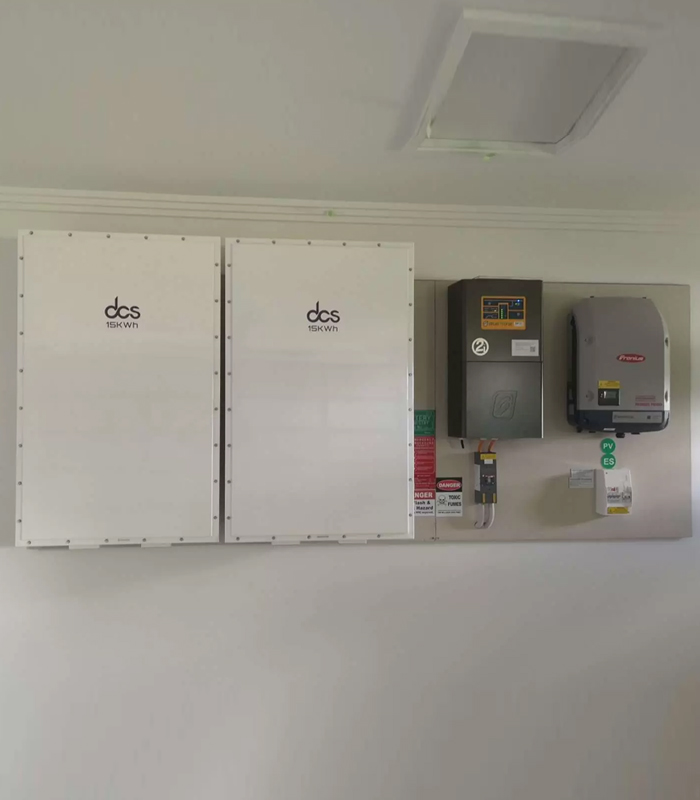
In today’s world, the demand for renewable energy sources is at an all-time high. One of the most popular forms of renewable energy is photovoltaic energy, which harnesses the power of the sun to generate electricity. However, a key challenge with solar energy is its intermittent nature. This is where PV Storage systems come into play. Photovoltaic Energy Storage Systems allow for the storage of excess energy generated during the day for use during periods of low sunlight or high energy demand.
The Basics of Photovoltaic Energy Storage Systems
At the core of Photovoltaic Energy Storage systems lies a seamless integration of solar panels and energy storage units, commonly batteries, designed to maximise the utility of solar energy. During periods of sunlight, solar panels engage in the conversion of solar energy into electrical power. This generated electricity has the dual option of being utilised immediately or stored within the batteries for subsequent use.
The presence of these storage capabilities ensures that the variability of solar energy does not hinder its availability, especially during times when sunlight is scarce or during peak energy consumption periods. This duality of immediate usage or storage introduces a level of flexibility and reliability to solar energy, transforming it into a more stable and dependable source of power.
The operation of PV Storage systems embodies the principle of capturing and efficiently utilising renewable energy, thereby providing a sustainable solution to meet both immediate and future energy demands. This mechanism not only bolsters the resilience of the energy supply but also contributes significantly to the reduction of dependency on non-renewable energy sources, marking a critical step forward in the journey towards a greener and more sustainable energy landscape.
Components and Working of a Photovoltaic Storage System
A Photovoltaic Storage system is a complex setup comprising several key elements, each playing a pivotal role in the system’s functionality. The solar panels, serving as the initial point of contact with sunlight, are fundamental in capturing solar energy and converting it into electrical power. This power is in the form of direct current (DC), which, although ideal for charging batteries, needs conversion for most household or commercial applications.
This conversion is achieved through the use of inverters, which transform the DC electricity into alternating current (AC), making it compatible with the grid and suitable for everyday use. In scenarios where the generated energy surpasses immediate needs, excess electricity is directed towards batteries. These batteries are critical components, acting as reservoirs for surplus energy, ensuring availability during periods without sunlight or during peak demand times.
Moreover, an often overlooked yet vital component is the monitoring system. This system provides real-time insights into the operation of the PV Storage system, including energy production, consumption, and the level of charge within the batteries. This monitoring capability not only allows for efficient energy management but also helps in identifying any issues that may arise, ensuring the system’s longevity and reliability. Through the coordinated operation of these components, a PV Storage system effectively captures, converts, stores, and manages solar energy, making it a cornerstone of sustainable energy solutions.
Types of Photovoltaic Storage System
Photovoltaic Storage Systems can be categorised into three primary types, each with its distinct operational framework and suitability depending on the user’s requirements. Firstly, grid-tied systems are directly connected to the public electricity grid. These systems have the advantage of allowing households or businesses to feed surplus generated energy back into the grid, often receiving credits or payments in return. Such setups are ideal for locations where grid supply is reliable and policies for net metering are favourable.
Secondly, off-grid systems operate entirely independent of the grid, making them perfect for remote locations where grid connection is not feasible or economically viable. These systems rely solely on the energy stored in batteries for electricity needs, necessitating careful planning to ensure sufficient storage capacity is available to meet the energy demand, particularly during periods of low sunlight.
Lastly, hybrid systems offer a versatile solution by combining the features of both grid-tied and off-grid systems. They provide the reliability of being connected to the grid while also including a battery storage component for energy backup. This ensures power availability during grid failures, making them particularly appealing for regions prone to frequent power outages.
Hybrid systems can dynamically switch between modes, optimising for energy savings, backup power, or earning credits by selling excess energy back to the grid. Each system type offers distinct benefits, and the choice largely depends on individual circumstances, including location, energy needs, and economic considerations.
Advantages of Investing in PV Storage
Investing in a PV Storage system brings a myriad of benefits, key amongst them being a significant reduction in electricity costs. Owners of these systems can utilise the stored energy during peak tariff periods, thereby circumventing the higher charges typically levied by utility companies.
Beyond the financial savings, these systems champion sustainability, offering a greener alternative by lessening the dependency on non-renewable energy sources, consequently reducing greenhouse gas emissions. This shift towards renewable energy sources not only supports global environmental goals but also enhances the property value, making it an attractive proposition for future buyers who value sustainability.
Additionally, the aspect of energy sovereignty cannot be overstated; with a PV Storage system, users gain a measure of independence from the grid, ensuring a consistent power supply even during outages, which is increasingly pertinent in areas subject to erratic power availability.
This autonomy provides not just convenience but also peace of mind, knowing that essential functions can continue uninterrupted regardless of external grid challenges. Furthermore, as the technology advances, the efficiency of these systems continues to improve, making the prospect of PV Storage an ever more appealing and viable option for those looking to embrace a sustainable lifestyle and decrease their environmental footprint.
Challenges and Solutions in Photovoltaic Energy Storage
Navigating the path towards widespread adoption of PV Storage systems is not without its hurdles. The initial outlay required for procurement and installation represents a significant barrier for many.
However, this can be mitigated over time through the cumulative savings on energy bills, alongside potential government incentives designed to encourage renewable energy uptake. Another pressing concern is the finite storage capacity inherent to current battery technologies, which may limit the amount of surplus energy that can be conserved.
This challenge is gradually being addressed through innovations in battery technology, such as the development of lithium-ion batteries with higher energy densities and the exploration of alternative storage methods like flow batteries. Additionally, the environmental impact of manufacturing and disposing of batteries is a matter of ongoing research, aiming to find more sustainable materials and recycling processes.
Concerns about the complexity of integrating these systems into existing power grids are also being resolved through the advancement of smart grid technologies, allowing for more seamless energy management and distribution. While obstacles remain, the concerted efforts in research and development across the globe are paving the way for more efficient, durable, and eco-friendly solutions in the realm of photovoltaic energy storage.
The Future of PV Storage Systems
The prospect for PV Storage systems is increasingly optimistic, underpinned by rapid technological innovations and a growing emphasis on renewable energy solutions. The landscape of these systems is anticipated to evolve, featuring enhancements in efficiency, cost-effectiveness, and integration capabilities.
One of the most exciting developments on the horizon is the emergence of advanced battery technologies. Innovations such as solid-state batteries are expected to offer higher energy density and longer lifespans, thereby addressing some of the current limitations associated with storage capacity and durability.
 Moreover, the integration of artificial intelligence and machine learning into PV Storage systems is set to revolutionise how energy is managed and distributed. These technologies promise to optimise energy consumption patterns, improve the performance of solar panels, and enable more precise forecasting of energy production and demand. The advent of smart grids, capable of accommodating a higher penetration of renewable energy sources, will facilitate a smoother transition towards a decarbonised energy system.
In tandem with technical advancements, regulatory frameworks and incentive schemes are likely to evolve to further support the adoption and development of PV Storage solutions.
How to Choose the Right PV Storage System for Your Needs
Selecting the appropriate PV Storage system necessitates a thoughtful evaluation of several key factors. Initially, an assessment of your energy consumption patterns is essential. Understanding the daily and seasonal fluctuations in your energy demand will guide you in choosing a system with adequate storage capacity to meet your needs. Financial considerations also play a critical role.
It’s vital to balance the initial investment against the potential savings on electricity costs and the availability of any government incentives that could offset the upfront expenses. Additionally, the physical attributes of your premises will influence your choice. The amount of available space for solar panels and the storage unit, as well as the orientation and shading of your roof, can affect the system’s efficiency and, consequently, its suitability for your property.
Engaging with a professional solar energy provider can be invaluable. They can conduct a detailed evaluation of your specific circumstances, offer expert advice on the optimal system configuration, and ensure that all technical specifications, including battery type and inverter capacity, align with your energy objectives. Careful consideration of these aspects, alongside thorough research on warranty terms, maintenance requirements, and the track record of manufacturers, will assist in making an informed decision that aligns with both your environmental aspirations and practical needs.
FAQs
1. What is the typical lifespan of a PV Storage system?
The durability of PV Storage systems often hinges on the components utilised and the maintenance regime followed. Typically, one can expect these systems to be operational for between 10 to 15 years. It is noteworthy, however, that while batteries might necessitate replacement within this timeframe, with attentive upkeep, both solar panels and inverters can surpass this expectancy significantly.
2. Can PV Storage systems be installed on any property?
The adaptability of PV Storage systems allows for their installation across diverse property types, encompassing residential, commercial, and industrial premises. Nevertheless, the efficiency and practicality of these installations are subject to various factors. These include the orientation and shading of the property’s roofing as well as the spatial availability for installing solar panels and the storage unit. Such considerations are pivotal in determining the feasibility and performance potential of the system on any given property.
Conclusion
PV Storage systems stand at the forefront of ushering in an era of green and resilient energy solutions. These systems, adept at capturing solar energy and ensuring its availability through innovative storage technologies, embody the commitment to a more sustainable and self-sufficient energy future. The journey towards broad adoption of this technology, whilst fraught with initial financial outlays and technological hurdles, is buoyed by ongoing advancements in battery efficiency, system integration, and smart management technologies. The promise of PV Storage systems lies not only in their ability to significantly cut energy costs and reduce reliance on fossil fuels but also in their capacity to enhance energy security and autonomy for users across various settings.
| Other Good Articles to Read |
| Skank Blogs |
| Unreal Blogs |
| Tba Blogs |
| All City Forums |
| Dany Blogs |
| Refuge Blogs |
| The Music Blogs |
| Key Forums |
| The Big Blog Theory |
| Joe Blogs |
| Blogs 4 Me |
| Blogs Emon |
| Related Business Listings |
| Directory Submissions |
| Regional Directory |