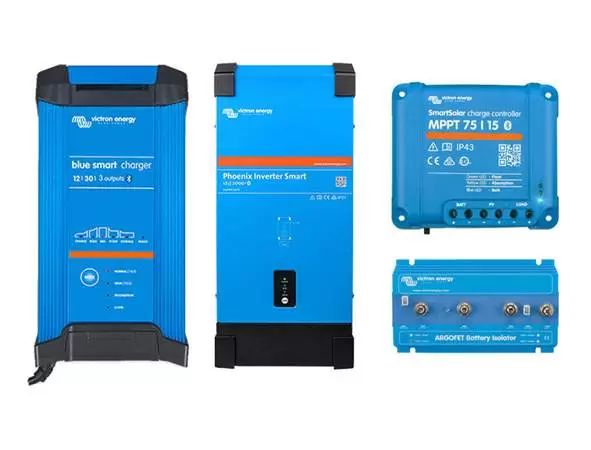
In today’s world, where technology plays a significant role in our daily lives, the importance of having a reliable power source cannot be underestimated. One such essential device that comes in handy is the 100 watt inverter. This small but mighty gadget can convert DC power from a battery into AC power, allowing you to power various electronic devices on the go. In this blog post, we will explore the world of 100-watt inverters, their capabilities, and their significance in our modern lives.
Understanding the Basics of a 100-Watt Inverter
A 100-watt inverter is an indispensable tool for converting DC (Direct Current) power sourced from batteries into AC (Alternating Current) power, suitable for everyday electronics. With its manageable weight, this compact device proves itself invaluable for individuals on the move, be it through hiking or road trips, by enabling the charging of gadgets such as smartphones, cameras, and laptops. The power rating of 100 watts signifies its capacity to handle devices up to that power threshold efficiently.
The connection to a battery is essential for its operation – commonly a car battery or portable power bank. Through this connection, the inverter draws DC power, which it then expertly transforms into usable AC power, catering to the power demands of several small electronic appliances. Its simplicity in design and ease of use make it an ideal companion for those seeking portable power solutions without the bulk and weight of larger inverters.
Comparing 100-Watt and 1000w Inverters
The choice between a 100-watt and a 1000-watt inverter hinges largely on the power requirements of the devices you intend to operate. A 100-watt inverter, with its compact design, is adept at powering smaller gadgets such as smartphones, cameras, and laptops, making it an ideal choice for individuals who prioritise portability and have modest power needs.
On the other hand, the 1000w inverter, boasting a significantly higher power output, caters to a broader range of appliances, including power tools, small kitchen appliances, and even televisions. This makes it well-suited for situations demanding a more robust power supply, though its increased size and weight may compromise portability.
The distinction between these two types of inverters underlines the importance of assessing your power needs against the convenience of transport and setup. Whether embarking on outdoor adventures or ensuring preparedness for power outages, selecting the appropriate inverter can make a considerable difference in meeting your electrical needs efficiently.
The Versatility of the 100-Watt Inverter
The 100-watt inverter’s compact size belies its adaptability and utility in many scenarios. Ideal for outdoor excursions such as camping or caravan travels, this device ensures your electronic essentials remain operational, enhancing your experience amidst nature. Furthermore, its application extends to household emergencies, providing a critical power source during outages and ensuring connectivity and safety.
For DIY enthusiasts, its portability facilitates using electric tools in locations bereft of conventional power sources, proving invaluable for projects in remote or undeveloped areas. Its straightforward functionality means that even those with minimal technical expertise can harness its benefits effectively.
Whether charging a mobile phone, powering a small fan, or keeping critical navigation devices running, the 100-watt inverter emerges as a versatile ally in daily life and adventurous endeavours. This ability to adapt to various needs without requiring complex setups or heavy equipment underscores its utility, making it a favoured choice for those seeking efficient, portable power solutions.
Key Features to Look For In a 1000 Watt Inverter
When delving into the market for a 1000 watt inverter, it is crucial to consider several essential attributes that ensure efficiency, safety, and reliability. Among these are integral safety mechanisms such as overload, short-circuit, and overheat protection. These features safeguard the inverter and the devices connected, mitigating the risk of damage due to electrical mishaps.
The efficiency rating of the inverter deserves attention; a higher efficiency indicates a more effective conversion of DC to AC power, thereby reducing energy wastage and enhancing performance. Another significant aspect to consider is the quality of the sine wave output. Pure sine wave inverters are often recommended for running sensitive electronic equipment smoothly and without interference, as they replicate the power quality of household electrical outlets more closely than modified sine wave inverters.
Furthermore, including multiple outlets and USB ports can offer greater flexibility, allowing for the simultaneous charging of multiple devices. It is also advisable to look for inverters with robust construction and adequate cooling mechanisms to withstand frequent use, particularly in demanding environments.
Installation and Safety Tips
When setting up a 100-watt inverter, adhering strictly to the guidance provided by the manufacturer is paramount to guarantee effective functioning and safety. It’s crucial to connect the inverter to an appropriate power source, such as a vehicle battery or a dedicated portable power unit, ensuring that the devices connected do not surpass the inverter’s specified capacity.
Operating the inverter in areas with good ventilation is vital to prevent any risk of overheating. Additionally, one must avoid using the inverter in damp environments to eliminate the risk of electrical hazards. Always ensure that the inverter is placed on a stable, flat surface to reduce the chance of accidental damage.
Paying attention to the wiring is also essential; ensure that all connections are secure and that no frayed or damaged wires are used, as these could present a fire risk or cause the inverter to function improperly. Regular checks should be performed to ensure that the inverter and connected devices are not showing any signs of distress or overheating during use. By following these precautions, users can ensure a safe and efficient use of their 100-watt inverter whilst minimising potential risks associated with improper installation or use.
The Environmental Impact and Sustainability of Power Inverter 1000w
Adopting a 1000-watt power inverter has noteworthy environmental and sustainability implications, marking a shift towards more eco-friendly energy consumption. This device’s converting DC to AC power efficiency means it can be effectively paired with renewable energy sources, such as solar panels or wind turbines. Facilitating the use of clean energy to power our devices and appliances considerably reduces reliance on fossil fuels, thus decreasing the emission of harmful greenhouse gases.
The 1000-watt inverter’s role in promoting sustainable living extends to its ability to maximise energy usage from batteries, leading to less energy wastage and enhancing the overall efficiency of power consumption. In scenarios where renewable energy sources are harnessed, power inverter 1000w acts as a critical bridge, ensuring that the clean energy generated is optimally utilised.
This synergy between the inverter and renewable energy technologies exemplifies a forward-thinking approach to meeting our power needs while simultaneously caring for our planet. The focus on integrating such devices into our energy systems underscores a commitment to reducing the environmental footprint of our energy consumption, paving the way for a more sustainable and responsible use of technology in our everyday lives.
Significance of 1000-Watt Power Inverter
The pivotal role played by a 1000-watt power inverter in enhancing modern lifestyles cannot be overstated. This robust device is indispensable for those frequently in situations where access to the electrical grid is limited or non-existent. For individuals passionate about outdoor adventures, such as camping or caravan trips, the 1000-watt inverter becomes a crucial companion, ensuring that electronic essentials run smoothly.
The ability of this inverter to support a wide array of devices – from small kitchen appliances to entertainment systems – provides both convenience and the assurance of comfort and safety in remote locations. Moreover, in the face of unpredictable weather conditions leading to power outages, the 1000-watt power inverter stands as a reliable bulwark, ensuring that households can maintain a semblance of normality through the continued operation of vital appliances.
This aspect of the inverter’s utility underscores its value as a luxury for the adventurous and a practical necessity for everyday life. By providing a steady and reliable power supply, the 1000-watt power inverter embodies the intersection of innovation and practicality, serving as a testament to the evolving ways we harness and utilise power in our lives.
Extended Lifespan of 1000 Watt Power Inverter
Adhere to recommended usage practices and attentive maintenance to ensure that your 1000-watt power inverter serves you well over an extended period. Exposure to harsh environments, such as extreme heat, cold, or moisture, should be rigorously avoided, as these conditions can lead to deterioration of the inverter’s internal mechanisms. It is advisable to conduct routine inspections of the 1000 watt power inverter to watch for any signs of damage or wear.
Timely replacement of worn or damaged parts is essential to prevent malfunctions that could impair performance. Furthermore, operating the inverter within its recommended capacity limits is beneficial to prevent undue stress on its components. Overloading the inverter not only poses a risk of overheating but can also lead to premature system failure.
Ensuring that the inverter is placed in a location with ample ventilation will aid in dissipating heat generated during operation, thus safeguarding against overheating. Regular cleaning to remove dust and debris from the inverter’s vents and cooling fan can significantly enhance operational efficiency and longevity. This preventive measure keeps the cooling mechanisms effective, sustaining optimal performance levels.
FAQ’s
What can I power with a 100-watt inverter?
A 100-watt inverter can power various small electronic devices and appliances, including laptops, smartphones, tablets, LED lights, small fans, and low-power household appliances like a coffee maker or a portable cooler. However, it may be suitable for something other than high-power devices such as refrigerators or power tools.
How do I connect a 100-watt inverter to my power source?
Using the included cables or connectors to connect a 100-watt inverter to your power source, such as a car battery or a solar panel, would be best. Ensure proper polarity and connections according to the manufacturer’s instructions to avoid damage to the inverter or your devices.
Can I use a 100-watt inverter while driving my car?
A 100-watt inverter is suitable for vehicle use, allowing you to power electronic devices while driving. It’s commonly used to charge smartphones, tablets, or laptops on road trips or during long commutes, providing convenient access to AC power.
Is a 100 watt inverter sufficient for camping or outdoor activities?
A 100 watt inverter can be handy for camping or outdoor activities to power essential electronics like lights, portable speakers, or small cooking appliances. It’s lightweight and portable, making it easy to transport and use in remote locations where AC power may not be readily available.
Can I use a 100-watt inverter with a solar panel for off-grid power?
Yes, pairing a 100-watt inverter with a solar panel allows you to harness solar energy and convert it into usable AC power. This setup is ideal for off-grid applications, such as powering camping equipment, small cabins, or emergency backup systems, providing renewable energy solutions in remote areas.
Conclusion
In summary, the 100-watt and 1000-watt inverters offer versatile and essential solutions for modern power needs, each catering to different scales of energy requirements. Whether it’s the portability and convenience of a 100-watt inverter for small devices on the move or the robust capacity of a 1000-watt inverter for more demanding applications, understanding and choosing the right inverter can significantly enhance your experience in both daily life and adventurous pursuits. Adopting these technologies facilitates convenience and underscores a commitment towards sustainable energy consumption, aligning with global efforts for a greener future.
This article was first published on
unleashing-the-potential-the-power-of-a-100-watt-inverter
| Other Good Articles to Read |
| Skank Blogs |
| Unreal Blogs |
| Tba Blogs |
| All City Forums |
| Dany Blogs |
| Refuge Blogs |
| The Music Blogs |
| The Big Blog Theory |
| Joe Blogs |
| Blogs 4 Me |
| Blogs Emon |
| Related Business Listings |
| Contact Directory |
| Local Business Profiles |