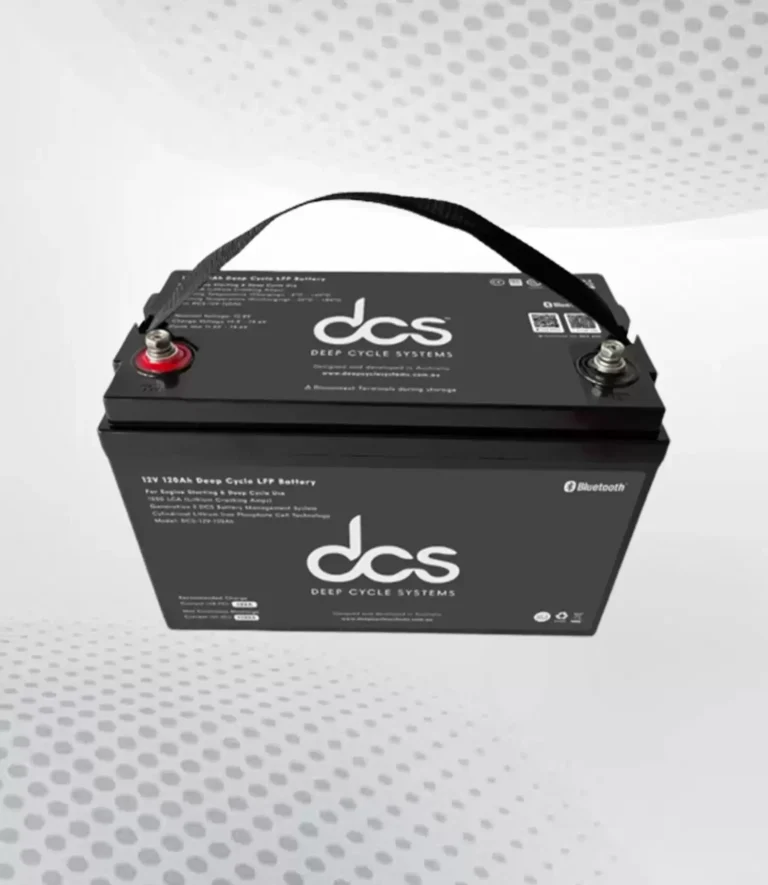
In the era of rapid technological advancements, the quest for reliable, efficient, and sustainable power sources has never been more pressing. Among the plethora of innovative solutions, lithium batteries have emerged as a game-changer, revolutionizing how we power our devices, vehicles, and homes. At the forefront of this revolution is the 120Ah lithium battery, a behemoth of energy storage poised to unlock unprecedented levels of performance, safety, and versatility. In this comprehensive guide, we’ll delve into the intricacies of 120-Ah lithium batteries, exploring their capabilities, limitations, and applications and the crucial considerations for safe and optimal use.
Understanding the Capabilities of 120-Ah Lithium Batteries
When unleashing the full potential of 120-Ah lithium batteries, understanding their capabilities is crucial. With a whopping 120 ampere-hours of energy storage, these batteries can power a wide range of applications, from electric vehicles and renewable energy systems to heavy-duty industrial equipment and backup power systems. One of the key benefits of 120-Ah lithium batteries is their exceptional energy density, which enables them to deliver a high amount of power relative to their size and weight.
This makes them an ideal choice for applications where space is limited but high performance is required. Additionally, 120-Ah lithium batteries are known for their fast charging and discharging capabilities, allowing them to quickly respond to changing power demands. Whether you’re looking to power a remote monitoring system, an electric motorcycle, or a large-scale data centre, 120-Ah lithium batteries can deliver reliable, long-lasting power.
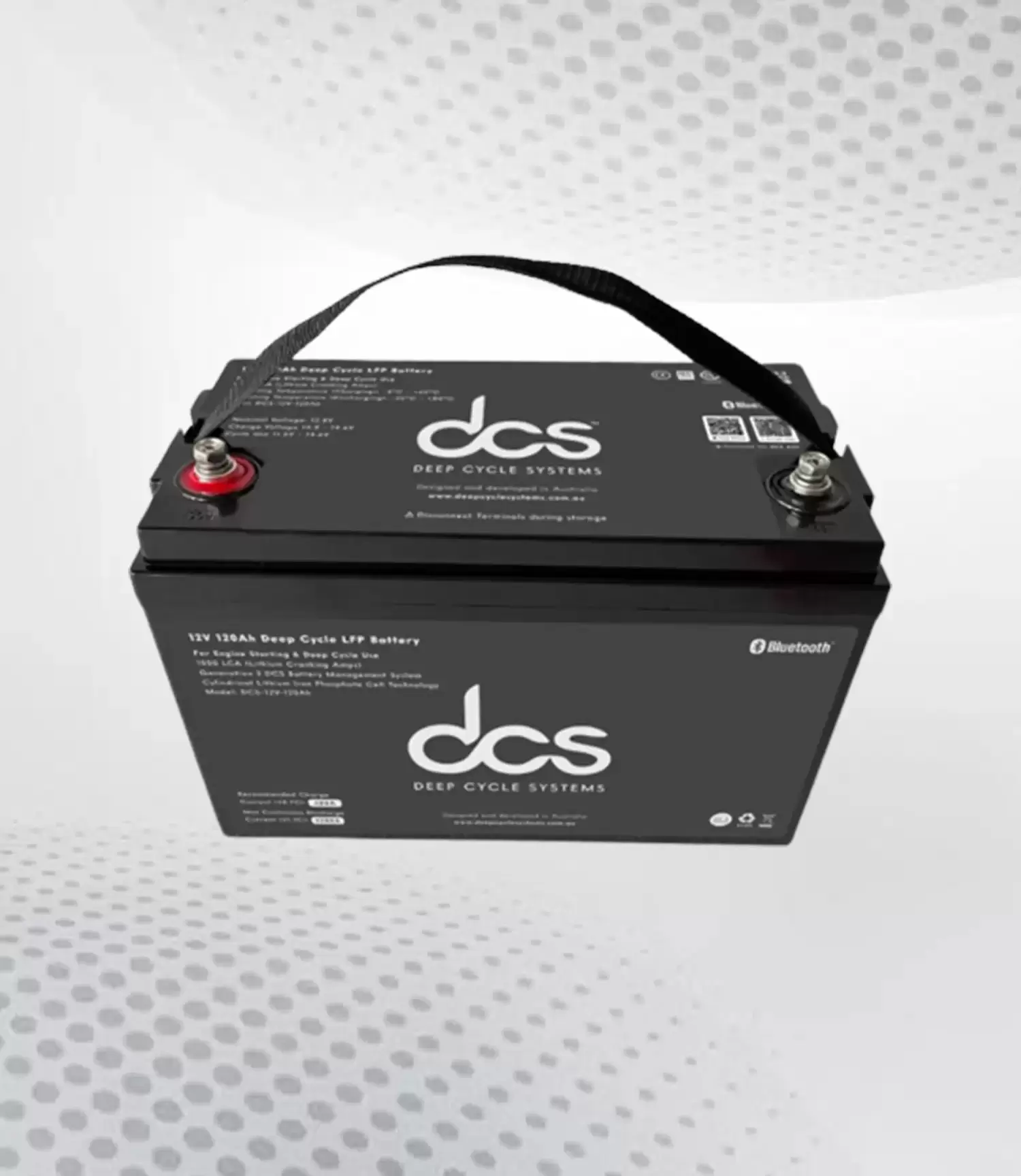 Safety Considerations and Best Practices
When it comes to harnessing the power of 120-Ah lithium batteries, safety is paramount. These high-performance batteries pack a punch but also require careful handling and management to prevent accidents and ensure optimal performance. As you delve into lithium batteries, it’s essential to understand the potential risks and take proactive steps to mitigate them. This includes adhering to proper charging and storage protocols, avoiding overcharging, and keeping the batteries away from flammable materials.
Additionally, monitoring battery temperature, voltage, and state of charge is crucial to prevent overheating, over-discharging, and electrical shorts. By following best practices and exercising caution, you can unlock the full potential of 120-Ah lithium batteries while minimizing the risk of electrical shock, fire, or other hazards. This section’ll delve deeper into the safety considerations and best practices for working with these powerful batteries, providing you with the knowledge and confidence to handle them safely and effectively.
Applications and Industries Revolutionized by lithium 120ah battery
The versatility of lithium 120Ah battery is unknown, and its applications are vast and diverse. From powering electric vehicles to energizing renewable energy systems, these batteries have revolutionized various industries and transformed how we live and work.
Electric Vehicles: Electrifying the Road Ahead
With their high energy density and long cycle life, 120-Ah lithium batteries have become the go-to choice for electric vehicle manufacturers. They provide the power and range needed to overcome anxiety, making electric vehicles a viable alternative to traditional gas-powered cars.
Renewable Energy Systems: Harnessing the Power of Nature
The high capacity and reliability of 120-Ah lithium batteries make them an ideal fit for renewable energy systems, such as solar and wind power installations. By storing excess energy generated during the day, these batteries enable households and businesses to power their operations even when the sun isn’t shining or the wind isn’t blowing.
Industrial Power Tools: Boosting Productivity and Efficiency
The high power and long runtime of 120-Ah lithium batteries have transformed the world of industrial power tools. From cordless drills and saws to heavy-duty machinery, these batteries provide the power and reliability needed to do the job efficiently and effectively.
Medical Devices: Powering Life-Saving Technology
The safety and reliability of 120-Ah lithium batteries make them a critical component in medical devices, such as portable defibrillators and ventilators. By providing a stable power source, these batteries help ensure the reliable operation of life-saving equipment.
Backup Power Systems: Ensuring Business Continuity
In a power outage, 120-Ah lithium batteries can provide backup power to critical systems, such as data centres, hospitals, and emergency services. These batteries help minimize downtime and prevent financial losses by ensuring business continuity.
Performance Optimization and Maintenance Tips
Optimizing Performance: Tips and Tricks
When it comes to unleashing the full potential of your 120-Ah lithium battery, proper maintenance and optimization are crucial. With the right techniques, you can ensure your battery performs at its best, delivering consistent power and efficiency.
Monitoring State of Charge
To get the most out of your battery, monitoring its state of charge is essential. This helps prevent overcharging, which can reduce the battery’s lifespan. You can optimize your charging cycles and avoid unnecessary wear and tear by monitoring the charge level.
Avoiding Deep Discharging
Deep discharging can be detrimental to your battery’s health. By avoiding deep discharging, you can prevent cell damage and ensure your battery remains in top condition. This can be achieved by setting a low-voltage cutoff or using a battery management system.
Balancing Cell Voltage
Balancing cell voltage is critical to maintaining optimal performance. By ensuring that each cell is at the same voltage, you can prevent uneven wear and tear, reducing the risk of battery failure.
Preventing Overheating
Overheating can be a major issue for lithium batteries, leading to reduced performance and safety risks. By providing adequate ventilation, using cooling systems, and monitoring temperature levels, you can prevent overheating and keep your battery running smoothly.
Storing and Charging Best Practices
Proper storage and charging techniques are vital to maintaining the health and performance of your 120-Ah lithium battery. By following best practices, such as storing the battery in a cool, dry place and avoiding rapid charging, you can ensure that it remains in top condition, ready to deliver maximum power when needed.
Future Outlook and Emerging Trends in Lithium Battery Technology
As the demand for sustainable and efficient energy solutions continues to grow, the future of lithium battery technology looks brighter than ever. Researchers and manufacturers are pushing the boundaries of innovation, exploring new materials, designs, and applications that will shape the industry’s trajectory. One of the most promising emerging trends is the development of solid-state batteries, which promise to replace the traditional liquid electrolyte with a solid material, enhancing safety, energy density, and charging speed.
Another area of focus is the integration of artificial intelligence and machine learning algorithms to optimize battery performance, predict maintenance needs, and enable real-time monitoring. Additionally, the rise of electric vehicles and renewable energy systems drives the demand for high-performance lithium batteries, sparking investments in advanced manufacturing techniques and economies of scale.
As the industry continues to evolve, we can expect significant advancements in battery recycling, sustainable sourcing, and grid-scale energy storage, ultimately paving the way for a more sustainable and electrified future.
Features of a Lithium Battery
High Energy Density: Unleashing Power in a Compact Package
Lithium batteries, particularly the 120-Ah variant, boast an impressive energy density that allows them to pack a significant amount of power into a relatively small, lightweight package. This makes them an ideal choice for applications where space and weight are critical, such as electric vehicles, renewable energy systems, and portable electronics.
Long Cycle Life: Durability and Reliability
One of the standout features of lithium batteries is their exceptional cycle life, which refers to the number of charge and discharge cycles they can withstand before their capacity degrades. A high-quality 120-Ah lithium battery can last for thousands of cycles, making it a reliable choice for demanding applications that require consistent performance.
Low Self-Discharge Rate: Ready When You Need It
Lithium batteries are known for their low self-discharge rate, meaning they can retain their charge for extended periodswhen not in use. This feature makes them perfect for applications where the battery may not be used for weeks or months, such as backup power systems or seasonal equipment.
High Discharge Rate: Power on Demand
The 120-Ah lithium battery’s high discharge rate enables it to deliver a surge of power when needed, making it an excellent choice for applications that require rapid bursts of energy, such as electric vehicles, motorcycles, and power tools.
Built-in Safety Features: Protecting People and Equipment
Modern lithium batteries, including the 120-Ah variant, are designed with safety in mind. They often feature built-in protection circuits that prevent overcharging, over-discharging, and overheating, ensuring the safety of the battery and the equipment it powers.
Enhanced Reliability
One of the most significant advantages of 120-Ah lithium batteries is their enhanced reliability. These batteries are designed to provide a consistent and reliable performance, even in the most demanding applications. With a longer cycle life and a lower self-discharge rate, 120-Ah lithium batteries can withstand the rigours of heavy use, minimizing the risk of unexpected downtime or failure.
This means that whether you’re using them to power a critical medical device, a backup power system, or a high-performance electric vehicle, you can trust that they will deliver the energy you need when needed.
Additionally, these batteries’ advanced chemistry and construction ensure they are less prone to overheating, thermal runaway, and other safety hazards, giving you peace of mind and protecting your investment. With 120-Ah lithium batteries, you can expect a high level of reliability, reducing the need for frequent replacements and minimizing the risk of costly downtime.
Conclusion
In conclusion, 120Ah lithium battery has revolutionized how we power our devices and equipment. With their exceptional performance, safety features, and versatility, they have become an essential component in various industries and applications. From renewable energy systems to electric vehicles and medical devices to industrial power tools, these batteries have proven reliable and efficient. As the demand for sustainable and efficient power solutions continues to grow, 120-Ah lithium batteries are poised to play a critical role in shaping the future of energy storage. Their impressive performance, long lifespan, and reduced environmental impact make them an ideal choice for anyone looking to upgrade their power infrastructure.
Frequently Asked Questions:
Q: What is the lifespan of a 120Ah lithium battery?
A: The lifespan of a 120-Ah lithium battery can vary depending on the application, usage, and maintenance. However, on average, they can last up to 10 years or more.
Q: Are 120-Ah lithium batteries safe to use?
A: Yes, 120-Ah lithium batteries are designed with safety features such as built-in protection circuits and thermal management systems to prevent overheating and electrical shocks.
Q: Can I use 120-Ah lithium batteries for off-grid power systems?
A: Yes, 120-Ah lithium batteries are ideal for off-grid power systems, providing a reliable and efficient energy source for remote locations and renewable energy systems.
Q: How do I charge and maintain my 120-Ah lithium battery?
A: It’s essential to follow the manufacturer’s charging and maintenance guidelines to ensure the longevity and performance of your 120-Ah lithium battery.
| Related Business Listings |
| Contact Directory |
| Local Business Profiles |